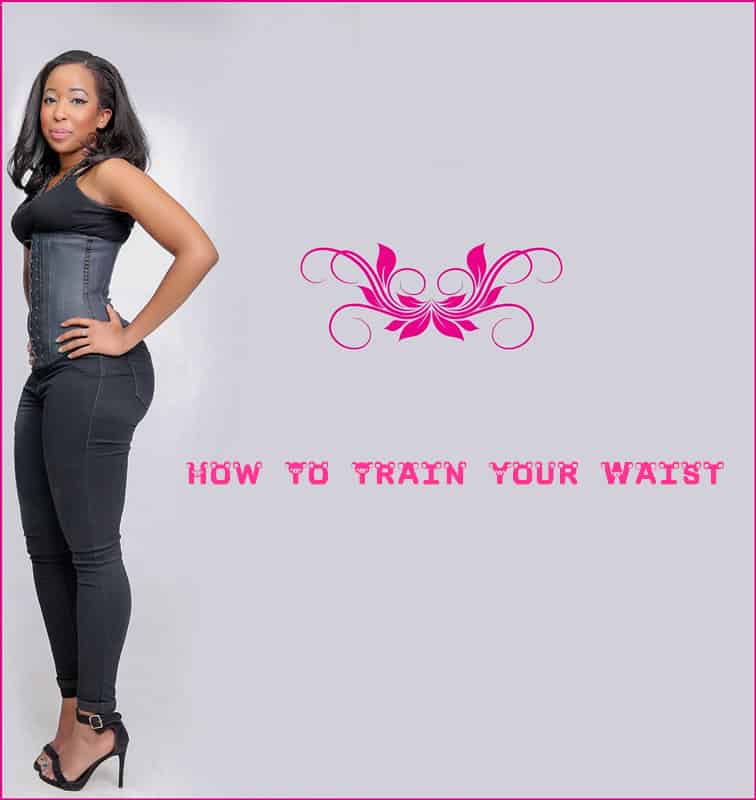
Each of us has a body that is uniquely our own, and the definition of a slimmer waist can vary from one person to the next. Even so, there are shared principles for working toward a healthier, more confident figure that almost anyone can try.
Many of us have, at one time or another, admired the bodies of people we see in film, television, or sports. The encouraging part is knowing that a strong, healthy body is something you can build too. The key is to focus on three factors that work together to support a slimmer waist.
The right diet, a suitable exercise program, and smart clothing choices can all help you feel more comfortable and confident in your own shape. Because we want lasting results, it helps to work on these three areas at the same time rather than relying on any single one.
It is also important to think about health on a holistic level, so any effort to slim down or lose weight should be done responsibly. With a positive mindset and steady habits, meaningful change is possible over time.
Build Your Routine Around Core Exercises
You can jog several kilometres every day and still not see much change at the waist, because that effort is spread across the whole body. To shape the midsection, it helps to add exercises that directly target the core muscles in that area.
There are many core exercises you can rotate through to help tone your waistline. Sit-ups and crunches engage the upper and lower abdominals, while bending and twisting movements work the muscles along the sides. Here are a few worth trying.
Crunches
There are many types of crunches, and one popular variation is the burpee, often used by cross-fit trainers to build core strength. A burpee is a sequence of movements where you bend your knees and jump back to stretch your legs behind you, engaging the core throughout.
You can also try bicycle crunches for variety. Lie flat on your back, raise your knees, draw your abdominal muscles in, and move your legs as if pedalling a bicycle. Keeping your abs tight helps you get the most from the movement.
Bending Exercises
If you take a dance class with plenty of bending, you will likely feel it along the sides of your waist the next day. That soreness comes from working the muscles that help define the waistline. The side bend is a simple, effective option, popular on its own and as part of yoga routines. There are many variations, and repeating the movement steadily tends to give the best results.
Twist Exercises
Twist exercises are enjoyable and suitable for women of all ages. They mainly involve hip and waist rotations, which can help define the midsection while also challenging your range of motion and improving balance.
Planking is another excellent way to strengthen the core. Rest your upper body on your forearms and your lower body on your toes, keeping your body in a straight line. Hold the position for anywhere from a few seconds to a minute as your strength improves.
Don’t Underestimate Sleep
Your body needs adequate rest, and many adults do well with around seven to nine hours of sleep a night. When you sleep well, both body and mind tend to function better. Exercising regularly can leave you pleasantly tired in the evening, making it easier to wind down. Quality sleep also supports recovery and overall well-being, so try to keep a consistent sleep routine.
The Role of a Sensible Diet
New fad diets appear all the time, and there seems to be no end to the ideas put forward by nutritionists, dietitians, and other health professionals. Some foods support a healthier body while others, eaten in excess, can contribute to weight gain. It is worth approaching any popular diet with an open but critical mind, since some promise quick results that do not last.
The goal is not to force or deprive yourself. Very restrictive diets that last only a month or two are rarely sustainable, because they work against the body’s natural tendencies. Instead, learn which foods suit you and enjoy them in sensible portions. Reducing added sugar is a reasonable step, but there is no need to eliminate healthy fats entirely. Be thoughtful about what you eat.
- Vegetables: a reliable choice that can help you feel lighter and support healthy skin.
- Fruit: a naturally sweet option you can enjoy regularly without feeling you have broken your routine.
- Moderation: the underlying principle behind any balanced way of eating.
Clothing Choices for a Slimmer-Looking Waist
While you build new diet and exercise habits, the right clothing can help you look slimmer right away. You can create the illusion of a more slender figure with well-chosen clothes and accessories. Darker colours such as black tend to be flattering, and cinching the waist with a belt can emphasise your curves. Corsets are another option for enhancing an hourglass silhouette.
Worn under your clothes, a corset can give the appearance of an hourglass shape and a smoother waistline, which many people find makes an outfit look more polished. How you style it is up to you, whether paired with a skirt or with jeans. Keep in mind that any waist-slimming effect from a corset or waist trainer is temporary and lasts only while the garment is worn, so treat it as a styling tool rather than a substitute for healthy habits.
Check Your Progress
If you have set your heart on a more defined figure or simply maintaining a healthy body, it helps to plan your workouts, your eating, and your clothing choices together. Once you start working out, keep a record of your progress on a daily or weekly basis. Reviewing your notes makes it easier to see what is working and where you might adjust.
Staying open-minded about your progress matters. Surround yourself with supportive friends who encourage your goals. Reaching a slimmer waist takes consistent effort, but it can be worthwhile for your overall well-being, so why not begin the journey today?
This article is for general information only and is not a substitute for medical advice. Before starting a new exercise program, changing your diet, or wearing a waist trainer regularly, please consult a qualified health professional, especially if you have any existing health conditions.
I have plenty to share about life on the road to a slimmer waist, since I have enjoyed using waist trainers for years. If you would like to read about my full experience, take a look at My Stand on Waist Training.