Waist beads are a type of decorative jewelry worn around the waist. Small beads are strung together and tied just below the navel, which is why they are also known as belly beads. In Egypt they are sometimes called “girdles.” Like any other piece of jewelry, they can add to a woman’s sense of beauty, and many people find them one of the prettiest accessories around. There are also long-standing cultural beliefs about their spiritual meaning.
If you want to show off your waistline, waist beads are an easy way to do it. Simply place the strand around your waist, tie it, and you are ready to go.
Originally, waist beads were made of plain beads. Over time the design evolved and became more versatile. Today you can add stones, shells, gold fittings, and other gems to a strand that is mostly made up of beads.
History of Waist Beads
Waist beads have roots in Africa, with strong ties to Egypt. They are believed to have appeared around the 15th century as a status symbol, and different communities held different beliefs about their meaning and uses.
Traditional African women often wore them against bare skin and rarely under their clothing. Egyptian women wore them while belly dancing, and the beads were sometimes scented and seen as a sign of sensuality. According to tradition, some people also believed waist beads carried healing or protective powers, especially when paired with certain stones. These are cultural and spiritual beliefs rather than proven effects.
Wearing waist beads is also part of Ghanaian culture, where they serve as a traditional ornament and a customary part of a woman’s dowry. Babies sometimes wear waist beads at Ghanaian naming ceremonies, and young girls wear them as a sign of femininity. Over time the tradition spread to the Middle East, where it was embraced and adapted.
Today, women from many countries and cultures wear waist beads to celebrate, to decorate, to build confidence, to track weight changes, and to shape the body. The beads can also symbolize spirituality, womanhood, protection, wealth, empowerment, fertility, and sensuality.
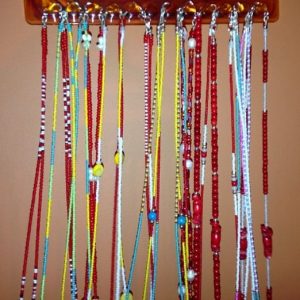
Source: http://www.royalwaistbeads.com/
What Does the Color of Waist Beads Signify?
Traditional beliefs connect different bead colors with different meanings. According to folklore, each hue carries its own symbolism. The most common associations are:
- Red: energy, self-confidence, vitality, passion, power, love, and desire.
- Blue: knowledge, wisdom, trust, loyalty, devotion, faith, peace, and healing.
- Green: prosperity, harmony, encouragement, fertility, growth, abundance, and hope.
- Yellow: calm, happiness, joy, and clarity.
- Gold: wealth, power, preciousness, and high quality.
- Pink: romance, love, friendship, appreciation, femininity, sweetness, kindness, and tenderness.
- Orange: warmth, enthusiasm, success, attraction, and creativity.
- Purple: mystery, luxury, ambition, independence, magic, and spirituality.
- Black: protection, elegance, authority, depth, and formality.
- White: innocence, purity, humility, youth, cleanliness, and light.
- Brown: earth, stability, honesty, strength, nature, reliability, and comfort.
- Silver: serenity, dreams, grace, glamour, insight, and feminine energy.
Uses of Waist Beads
Waist beads are more than just pretty glass beads hanging from the belly. They carry meanings that have kept them popular from the 15th century to today, and the sense of empowerment they give to many women is a big part of their appeal.
One common misconception is that only very slim women can wear them, which is far from the truth. Waist beads are worn by women of every size and shape, and the tradition is enjoyed across generations.
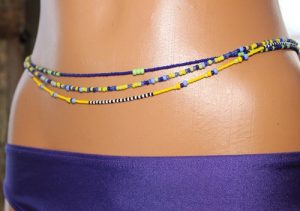
Source: http://www.royalwaistbeads.com/
The four main uses of waist beads are:
- Maturity and growth
- Intimate appeal
- Body shaping
- Symbol of chastity
1. Maturity and Growth
In parts of Africa, waist beads were traditionally used to mark the changes a woman’s body goes through over the years. Girls were often given waist beads when they reached puberty to signal that they had come of age. The beads also celebrated femininity.
2. Intimate Appeal
Women have long worn waist beads as a sign of attraction for their partners. In some traditions, wives used the beads to communicate intimacy quietly. Among the Yoruba, for example, women would sometimes scent their beads and gently rattle them in front of their partners.
3. Body Shaping
In western Africa, waist beads are often used as a practical tool rather than purely as jewelry. Because the strand sits snugly against the skin, it can give a sense of how the body is changing. Some people use it to notice weight gain or loss, and even as an early signal of pregnancy as the belly grows. When the beads feel tighter, it may mean you are gaining weight; when they feel looser, it may mean you are losing weight. Keep in mind that this is a rough, personal indicator and not a substitute for a scale or a medical measurement.
4. Symbol of Chastity
In some western African traditions, a bride wears waist beads that, by custom, only her husband is allowed to remove on the wedding night, adding symbolic meaning to the occasion.
How to Fit Waist Beads to Your Body
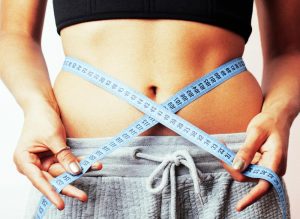 You do not need to be slim to wear waist beads, but getting the right length helps you wear them comfortably and gracefully. To do that, you will need to measure yourself, and there is a simple method for it.
1. How to Measure Yourself
The measurement depends on where you want to tie the beads, around the hips or the waist. Usually they sit just below the navel and above the hips. Measure the part of your body where you plan to wear them. You can do this yourself or ask someone for help to be accurate.
Follow these steps to get a correct measurement:
- Remove any clothing layers that cover your waist.
- Stand up straight, hold the measuring tape behind you, and bring it around your waist so it overlaps at your navel. Keep the tape parallel to the floor and snug, without digging into your skin.
- Read the point where the zero end meets the other end of the tape. That overlap is your waist measurement.
- Double-check it yourself or ask a friend to confirm, to avoid simple mistakes.
2. Precautions While Taking Measurements
- Do not hold your breath, as it changes the measurement.
- Do not dig the tape into your skin.
- Stand up straight.
- Lift or remove clothing over your waist before measuring.
Waist Training to Lose Some Extra Inches
 If your goal is a slimmer waistline, the honest answer is that real, lasting fat loss takes a healthy diet and regular exercise over time. There is no overnight shortcut and no quick fix. The start is usually the hardest part, but with consistency and motivation you can make steady progress.
The approaches below may help support a slimmer waist as part of an overall healthy lifestyle:
1. Exercise
Exercise covers a wide range of activities, and regular movement is linked to better overall health, including heart health. To work your core and waistline, try planks, cycling, running, and jump rope. Do not skip your legs, since strong legs help you stand tall and support your posture. Build up gradually and work in intervals rather than overdoing it.
2. Diet
A good diet does not mean going hungry. It means eating reasonable portions and being mindful of very high-calorie foods. Aim for a balanced diet that includes plenty of protein and whole foods, and go easy on refined carbohydrates and sugary fizzy drinks, which add calories without much nutrition. Everyone’s needs are different, so consider talking to a dietitian about what works best for you.
3. Lifestyle Changes
A sedentary lifestyle is one of the leading contributors to weight gain. If you spend most of your day sitting, try to set aside time for exercise and a brisk daily walk.
4. Waist Trainer
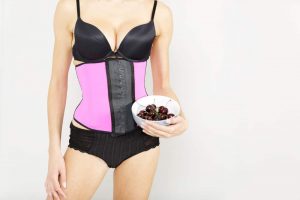
A waist trainer is a steel-boned corset designed to give the waist a temporary hourglass shape while it is worn, and it comes in different fabrics. It does not cause weight loss or burn fat; any slimming effect lasts only while you have it on. If you choose to use one, take it slowly, do not lace it too tightly, and avoid wearing it during exercise or sleep. Stop and seek advice if it causes pain, breathing trouble, or discomfort, since prolonged or overly tight wear can be uncomfortable or even harmful for some people.
Conclusion
Waist beads have stayed popular for centuries thanks to the empowerment many wearers feel and the simple joy of the jewelry itself. Their uses range from deeply spiritual to purely cosmetic, and people have long admired them.
If you are tracking your body changes, waist beads can be a handy personal guide: when the beads roll lower on your waist it may mean you are losing inches, and when they feel tighter it may mean the opposite. They are not a weight-loss device on their own, but they can help you notice progress alongside a healthy diet and exercise.
If you love the spiritual side of things, you might enjoy wearing them with stones for their symbolic meaning. In the end, waist beads are for every woman, regardless of background, tribe, or body shape.
This article is for general information only and is not medical advice. Before starting any new diet, exercise plan, or waist-training routine, please consult a qualified health professional.