Many of us would love to feel slim and confident in our own skin. At the same time, lots of people feel self-conscious about areas like the tummy, hips, thighs, and lower back. The good news is that with consistent habits, you can work toward a healthier, stronger body and feel more comfortable and confident.
Taking care of your weight is also about your health, not just your appearance. Carrying excess weight is linked to a higher risk of conditions such as raised blood sugar, high blood pressure, and heart disease. Managing your diet and activity levels over time may help lower that risk. Lower back fat is one of the areas people most often want to address, and the sections below explain realistic, evidence-informed ways to approach it.
About Lower Back Fat and Fat Loss
Source: http://www.livestrong.com/
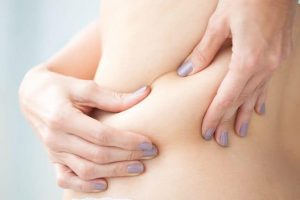
The lower back is a common “problem area” for many people, and a leaner, stronger lower back can make your overall shape look more toned. We all store fat differently: men often carry more around the stomach, while women tend to store more on the hips and thighs. These patterns are influenced by genetics and hormones, so they can be slow to change.
There is no magic shortcut, but a sensible, comprehensive weight-loss plan can help. It is important to know that you cannot “spot reduce” fat from one specific area. Doing torso rotations, side bends, and push-ups alone will not melt fat off your lower back. Instead, fat loss happens across the whole body when you combine:
- Total-body strength training to build and maintain lean muscle, which supports a healthy metabolism.
- Regular cardio to help burn calories.
- A balanced, healthy diet.
Exercise and proper nutrition work hand in hand. There is no single move that targets the lower back on its own.
How Fat Loss Actually Works
Fat loss happens when you take in fewer calories than you burn over time, creating a calorie deficit. When you are more physically active and mindful of what you eat, your body can draw on stored fat for energy.
A common rule of thumb estimates that a deficit of roughly 3,500 calories corresponds to about one pound of fat loss. This is only an approximation, as everyone’s body responds differently.
You may notice that some areas, like the legs, slim down faster, while the lower back can be slower to change. This is normal and varies from person to person. Lasting results take consistent exercise, a sensible diet, and, above all, patience. There are no overnight fixes.
Exercises to Help Reduce Lower Back Fat
Burning calories through training supports overall fat loss. Keep in mind that increasing the intensity or duration of an exercise will not necessarily reduce fat from that exact spot, but it does help reduce body fat overall.
1. Strength Training
Strength training helps with weight management and tones the body by working the major muscle groups. It builds and maintains muscle tissue, which is more metabolically active than fat tissue and can support your overall calorie burn.
Aim for up to three sessions per week targeting your back, arms, chest, hips, thighs, shoulders, and abs. A common approach is 8 to 12 repetitions across 1 to 3 sets. Useful exercises include:
- Push-ups
- Squats
- Biceps curls
- Side planks
- Triceps dips
- Crunches
- Shoulder presses
- Leg curls
- Lunges
If you are new to strength training, working with a qualified trainer or joining a gym can help you learn proper form, though many of these moves can also be done at home with little or no equipment.
2. Get Moving with Cardio
Source: https://www.slideshare.net
Cardio exercise is a great way to burn calories. Choose activities you enjoy so you can stick with them, such as:
- Zumba with friends
- Swimming
- Hiking
- Jumping rope
- Jogging
- Cycling
- Bicycle crunches
- Aerobics
- Martial arts
- Soccer or other active sports
You might start with a 30-minute cardio session and gradually build up to 60 to 90 minutes as your fitness improves. General health guidelines suggest that around 150 to 250 minutes of moderate cardio per week supports good health, but listen to your body and progress at your own pace.
3. Add Intervals to Some Workouts
To make your cardio more efficient, you can combine two of the activities above or add short bursts of higher-intensity effort. Interval and high-intensity (HIIT) workouts can help you burn more calories in less time.
A simple approach is to add 2 to 3 minutes of more intense effort within a longer session, a few times a week. Done consistently, this can support fat loss across your whole body, not just the lower back. As always, build up gradually and stop if anything hurts.
4. Follow a Healthy Diet

Source: http://edition.cnn.com/
Exercise alone will only take you so far if your diet is not supporting your goals. Nutrition and activity go hand in hand. Try to:
- Include lean protein such as fish, chicken, or tofu, alongside plenty of vegetables.
- Choose healthy fats and whole, minimally processed foods.
- Limit added sugar, white flour, pasta, white bread, and sugary drinks.
- Keep fried and very fatty foods to a minimum.
Filling up on protein and vegetables rather than refined carbohydrates can help you feel satisfied. As a general guide, gradual weight loss tends to happen when your calorie intake is moderately lower than what you burn; a daily deficit of roughly 500 to 1,000 calories is often suggested for losing about one to two pounds per week.
Portion awareness helps, too: a balanced plate might be about half vegetables and fruit, a quarter lean protein, and a quarter whole grains. Eat well and in sensible amounts. Very restrictive “starvation” diets are generally not healthy or sustainable. As a rough lower limit, many guidelines advise women not to drop below about 1,200 calories a day and men below about 1,800, but the right intake varies from person to person, so check with a qualified professional before making big changes.
[Read more about Healthy Diet]
Other Tips for Reducing Lower Back Fat
Your body works as a connected whole, so it helps to train multiple areas rather than focusing on one spot. Varying your routine also keeps your muscles challenged. Consider adding the following habits:
- Change up your workout regularly to keep your muscles adapting.
- Try equipment or exercises you are less used to, so different muscles get worked.
- Gradually shorten your rest intervals to build strength over time.
- Slowly increase the pace of your movements as you get fitter.
- Stay well hydrated during exercise.
- Prioritise enough quality sleep, since rest and regular sleep habits support healthy weight management.
Lower Back Fat vs. Love Handles
Lower back fat, along with love handles, is often described as “stubborn” because it can be slower to shed than fat in other areas. This is normal, and it can take weeks or months of consistent effort rather than days.
While this type of fat is generally considered less harmful than deep abdominal (visceral) fat, carrying too much overall is still worth addressing. Excess weight may increase the risk of conditions such as type 2 diabetes and heart problems. A larger waist circumference, generally over 35 inches for women and 40 inches for men, is associated with higher health risk and is a sign to pay closer attention to your habits. If you are concerned, a healthcare professional can give you personalised advice.
Conclusion
We have looked at lower back fat and the kinds of exercise and dietary habits that can help you work toward a leaner, stronger body. Start slowly and build up your pace over time. If you are new to exercise, some muscle soreness and stiffness at the beginning is normal and usually eases as your body adapts. You can train at the gym or at home; do whatever helps you stay consistent.
Pay attention to your diet as well. Aim for sensible portions at regular times, limit mindless snacking, and choose nourishing options like fruit or nuts between balanced meals. Combined with regular exercise, these habits can help you gradually lose excess weight and feel your best.
Finally, remember that results vary from person to person. Before starting a new diet or exercise programme, it is a good idea to consult a doctor or qualified health professional, especially if you have any existing health conditions.