Sofia Vergara is often held up as the epitome of feminine curves. She seems to have them all in the right places. Is that purely natural, or did she have a little help? Many famously curvy women share a common interest that plenty of others are curious about: corsets and waist training.
There’s no need to build up the suspense. Since the 18th century, women drawn to a curvier silhouette have turned to corsets. Corsets remain popular in Hollywood and in fashion capitals such as Paris, Madrid and London, where models and celebrities sometimes use waist or corset training to shape their figures. Many corsets are sold online, and the audience is broad: it includes women, as well as some male athletes who wear waist binders to help keep their midsection trim while training.
Some gay and bisexual men also use waist trainers regularly because they are mindful of their appearance. Among women, the desire for an hourglass figure is widespread. So how, exactly, can corset training fit into a woman’s life? One person’s experience offers a useful, balanced illustration.
Ella’s Corset Training Story
A woman named Ella first considered corset training in 2014, and for her it was something of a revelation. She began by reading about waist trainers online, looking into both their benefits and their drawbacks.
- Some fitness enthusiasts liked the idea and mentioned it to clients.
- Some medical professionals warned about the potential harms of tight corset wear.
Ella weighed both sides before deciding to begin. She was excited, but she went in informed rather than starry-eyed.
Choosing the Right Corset
After researching her options, she bought one corset online and had a second one custom-made for her body. She wanted room to experiment rather than feeling boxed in by a single choice.
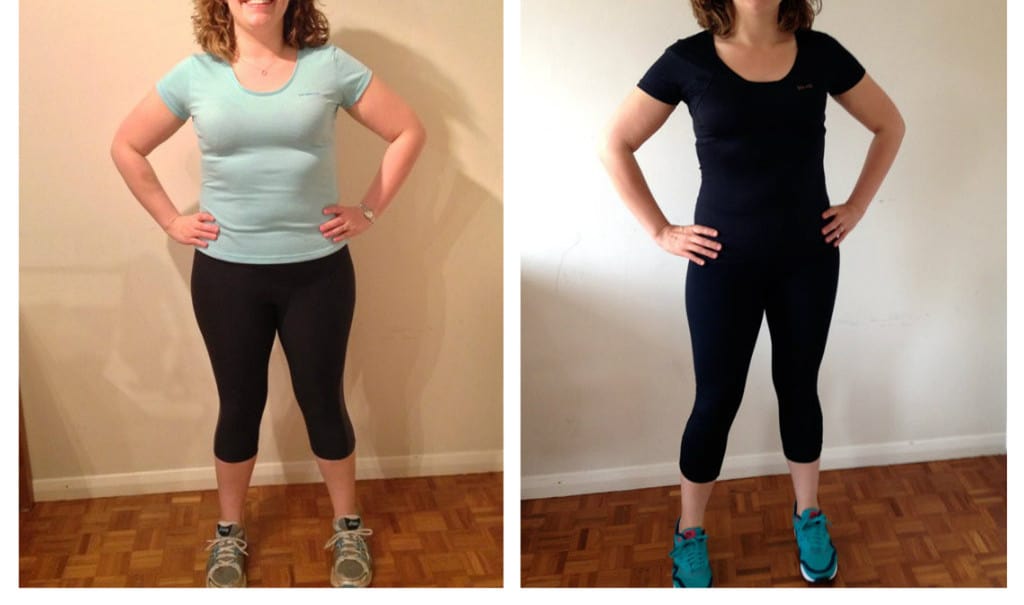
At the time, her waist measured 28 inches. She already lived a healthy lifestyle, but she was curious what a curvier shape might look like. Her goal was a 24-inch waist to balance her 36-inch bust and 36-inch hips. In short, she set out to look and feel her best for her own unique frame.
Her Daily Routine
Ella wore a regular waist trainer most days and saved a fancier, beautifully made floral corset for special occasions. She made sure the hooks were easy to open and remove, so she could take it off when she needed to. From 2014 onward, she typically wore a corset for around 15 hours a day and stayed disciplined with her diet and exercise.
The first few weeks were uncomfortable, and she often said so to friends. After about three weeks, though, she had adjusted and began to enjoy the smoother lines and improved posture. She liked that there were no visible bulges under office clothes or dresses, and family members noticed her changing shape. Over time, with consistent diet, exercise and corset wear, her waistline trended toward her 24-inch goal, which made her happy. It is worth remembering that the immediate slimming you see while a corset is worn is temporary and disappears once it comes off; any lasting change comes mainly from the diet and exercise alongside it.
Exercise, Appetite and Discipline
One thing Ella valued was being able to move and exercise while wearing a waist trainer, and she didn’t mind sweating because it felt like progress. She is the first to say it isn’t for everyone, and that it comes down to discipline and patience.
She also noticed it affected her appetite. Many wearers report that a snug corset makes large meals uncomfortable, so portions tend to shrink and you can feel bloated if you overeat. Over time, Ella’s portions naturally became smaller and the change in her eating felt normal rather than forced.
A quick caution worth keeping in mind:
- If a corset is so tight that it stops you from eating normally, breathing comfortably or moving freely, that is a signal to loosen it, not a goal to chase.
- Appetite suppression from physical pressure is not the same as healthy, balanced nutrition.
Making It a Sustainable Habit
After two years, waist training had simply become part of Ella’s routine, and she had no plans to stop. She felt her mindset had improved as much as her shape. When friends wanted to quit early, she encouraged them to be patient, and she found that a good support system helped many women stay consistent.
She is careful to set realistic expectations. As she puts it, every woman has a unique body, so you can’t expect identical results, and you certainly shouldn’t expect overnight changes. Her main pieces of advice are simple:
- Remember why you started, and keep your goal in view.
- Go at your own pace and stick with your own preferences.
- If you can, train alongside a friend or family member for mutual support and motivation.
- Give it time, so that over the long run it stops feeling like a chore.
Keeping a Balanced Perspective
Not everyone speaks well of corset training, but that doesn’t mean every negative review should be dismissed or accepted wholesale. Be discerning, and judge for yourself what it might mean for your life. Corsets are far from a modern invention, and part of their appeal today is that women have worn them for generations.
You also don’t have to wear a corset every single day. Even Ella took days off and enjoyed them. Corset training isn’t about extreme self-deprivation; done in moderation, it can still fit comfortably into a balanced routine. No tool, modern or traditional, produces instant results, so it’s wise to set your own criteria and expectations. If it works for you but not for a friend, that’s fine: respect her choice and carry on with yours.
A Confident, Realistic Takeaway
For many women, corsets are an open secret and a fun way to feel a little more put-together. Empowered women look for ways to improve themselves, and for some, corset training is one such way. Approached sensibly alongside a healthy diet and regular exercise, it may help support a slimmer-looking shape and better posture, and many wearers say it boosts their confidence. Treat it as one part of an overall lifestyle rather than a cure-all, and let any benefits add to your physical, mental and social wellbeing.
A note on health: corset and waist training can affect breathing, digestion and your core muscles, and experiences vary from person to person. Before starting, especially if you are pregnant, have any medical condition, or feel pain or discomfort while wearing one, please consult a qualified health professional.