What Is Belly Dancing?
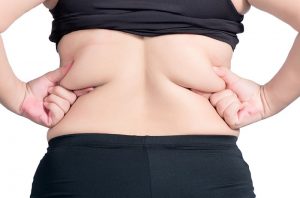
If you find your belly fat frustrating but you are not keen on the gym, belly dancing can be an enjoyable way to stay active. It lets you move to music you love while getting in a real workout, so exercise feels less like a chore.
Like any form of activity, dancing only helps with weight management while you keep doing it consistently. The moment you stop being active, the calorie burn stops too, so regular practice matters.
According to Dr. Carolle Jean-Murat, M.D., a person can burn roughly 300 calories in an hour of dancing. To get the most from belly dancing, pair it with a simple, balanced diet. For many people, this combination is an easier and more fun starting point than a rigid gym or meal plan.
Some classes meet two or three times a week. For better results you can also practice at home or with friends, and adding aerobic classes can further support your efforts to lose fat and get in shape.
Can Belly Dancing Help You Lose Belly Fat?
Over the years, women have tried many approaches to trim their waistlines. Belly dancing is one fun and sustainable option. It can be an effective, full-body workout, but no single exercise targets belly fat on its own. To see results, you still need to balance the calories you eat with the calories you burn.
How Many Calories Can Belly Dancing Burn?

How much you burn depends on your body weight and how vigorously you dance. According to the Discovery Health newsletter, a person weighing 200 pounds may burn around 408 calories per hour, while someone weighing 150 pounds may burn about 306 calories per hour. Energetic ballroom, disco, square dancing, and hula can burn a similar amount. As a rough guide, an average woman might burn around 300 calories per hour, which can add up over a week of regular sessions.
Belly dancing is all about the music, so go ahead and build a playlist of your favorite songs. Press play, start moving, and keep going until your workout time is up. Don’t worry too much about perfect technique. Focus on moving your whole body, especially your arms, stomach, and hips, since fuller movements help you burn more energy.
You can even sneak in extra movement at home by dancing while you vacuum, wash dishes, or dust. Every bit of activity counts toward your daily calorie burn.
To support your progress, try to be mindful of your diet:
- Keep an eye on the foods and drinks you consume.
- Be aware of how many calories you take in each day.
- Track your meals in a food journal.
- Complement your dancing with light exercise, aerobics, or yoga.
How Long Should I Belly Dance to Burn Fat?
Think of belly dancing as you would any other exercise. You can dance for as long as you would spend on a regular workout. The more consistently you dance, the more benefit you are likely to see.
A continuous hour of belly dancing may burn an estimated 250 to 300 calories. Joining a class can help, since the music, atmosphere, and group setting keep you motivated. Some classes mix gentler, standing-in-place moves with higher-energy sequences that raise your heart rate. As a general rule, people who never practice at home and aren’t otherwise active will find it harder to see lasting results.
Belly Dance Steps to Try
Watch a belly dance demonstration on YouTube
Belly dancing involves controlled movement of the abdomen and hips, which can help build strength and tone muscles. Keep in mind that you can’t choose where your body loses fat. Spot reduction is a myth, so these moves work best as part of an overall routine of regular activity and a balanced diet.
Here are five moves to get you started. Remember to wear comfortable clothes before you begin.
1. Waist-Whittling Moves

This Pilates-style move strengthens the oblique muscles along the sides of your waist:
- Lie on your left side and support your head with your left hand.
- Place your right arm across your body and rest your hand on the floor to steady yourself.
- With your hips and feet stacked, draw your belly button toward your spine to stabilize your core.
- Keeping your legs together, use your obliques to slowly lift them eight to twelve inches off the floor.
- Hold for a count of four, then lower them back down with control.
- Complete eight repetitions, then switch to the other side.
Carrying excess weight around the midsection is associated with a higher risk of conditions such as heart disease and type 2 diabetes, so working this area has health value beyond appearance. Waist-whittling moves combine cardiovascular and strengthening work, and when paired with a sensible, balanced diet they may help support gradual fat loss. Results take time, so be patient and consistent.
2. Hip Hop Crunch
Stand with your feet hip-width apart and let your hands rest lightly at the sides of your body. Move your hips to the right, then forward, left, and back. Keep the motion smooth and fluid, then repeat in the opposite direction.
3. Reach Down
Floor work in belly dancing helps improve flexibility. Lower your body toward the floor and sit down. Sit back, relax, and move slowly and deliberately. Then place your arms alongside your body and trace a figure eight on the ground, rolling through the thighs, hips, and lower body.
4. Camels
Stand with your arms at your sides and push your chest forward by drawing your shoulder blades back. Then create an “S”-like motion by pulling the belly in, tucking the pelvis, and pressing your shoulders forward.
5. Figure Eight
In this move, the hips trace the shape of a figure eight, circling round and round. It is a great move for engaging the muscles around your waist. Keep your upper body straight and try not to move your stomach. Making this part of a regular routine can support your overall toning efforts.
A Healthy Diet as Support
A balanced diet works hand in hand with exercise. Aim for meals that are lower in refined starches, added sugar, and the saturated animal fats found in fatty meat and full-fat dairy. Helpful choices include:
- Plenty of vegetables and fruits
- Soy products and fish
- Non-fat dairy and lean meat
- Protein shakes and juices in moderation for energy
Dawn Jackson Blatner, author of The Flexitarian Diet, offers a few simple tips:
- Fill up on vegetables so you feel satisfied.
- Drink plenty of water throughout the day.
- Keep tempting foods out of easy reach.
- Stay busy to avoid mindless snacking.
- Try not to skip meals.
- Stick to a single, sensible plate.
Keeping track of what you eat and roughly how many calories you consume can make a real difference over time.
Other Reasons to Choose Belly Dancing
Beyond supporting fat loss, belly dancing offers several other benefits.
1. It Suits Any Gender, Age, and Body Shape
Because almost anyone can join in, belly dancing is easy to share with a partner, child, or parent. Having company can make it more enjoyable and help you stick with it.
2. It Helps You Feel Good
Like other forms of exercise, belly dancing can trigger the release of endorphins, which may help lift your mood. Many people find it relieves tension and stress, boosts energy, and leaves them feeling more positive.
3. It Supports Overall Health
Regular, moderate activity like belly dancing can be good for your cardiovascular and respiratory health and may help with conditions such as osteoporosis and arthritis when it is appropriate for you. Staying active can also help keep you feeling sharp and energetic. If you have an existing health condition, check with your doctor before starting.
Conclusion
If you want to work on belly fat without dreading your workout, belly dancing is worth a try. There are no strict techniques to master, and dancing to music you enjoy makes the time fly.
Belly dancing is both a dance and a genuine workout that may burn a few hundred calories per session. The keys are staying motivated, dancing regularly, and pairing it with a balanced, sensible diet. Adding other activities such as cycling, jogging, or hiking can boost your results even further.
Finally, remember that everyone’s body and health needs are different. Before starting a new exercise or diet program, it is a good idea to consult a qualified health professional, especially if you have any existing medical conditions.