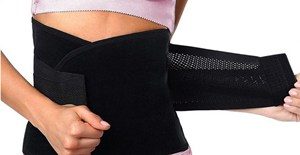
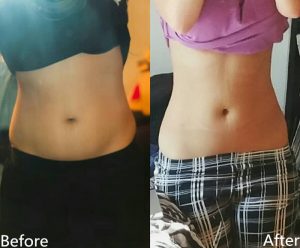
Have you ever wondered what the results of your waist training would be? Will the results be worth the effort and time that you put in? Sometimes, there are endeavors that you will only realize the outcome if you try but it is always helpful to have clear expectations of what comes next.
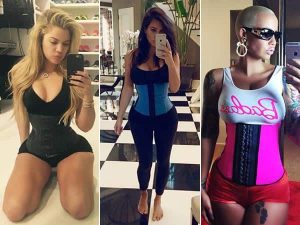
Good thing we have many famous singers and actresses who have tried and vouched for the effectiveness of waist training. You can now study the results without getting involved in it first. However, you need to have a realistic view of the situation, these celebrities have fitness trainers of their own, and you don’t. To be consistent in your waist training, you need to have discipline, too. You can follow some of these celebrities on Instagram and track their progress. At least, you will have a barometer that can inspire and motivate you to go at it every single day.
Tips for Recording Waist Training Progress
By recording the progress of your waist training journey, you can better understand your training results, and then you can keep yourself motivated through these ever-changing before-and-after results. Here are some things you might find helpful.
1. Measure Your Waistline
Try to measure your waist size with a vinyl or fabric tape measuring tape regularly, and at least once a month is recommended. Make sure the tape is lying flat on the narrowest part of the waist, where it is a natural bending of your torso, keeping the tape parallel to the ground and the body not hard (it means you can fit a finger underneath) to record genuine progress.
2. Take Pictures of Your Waist
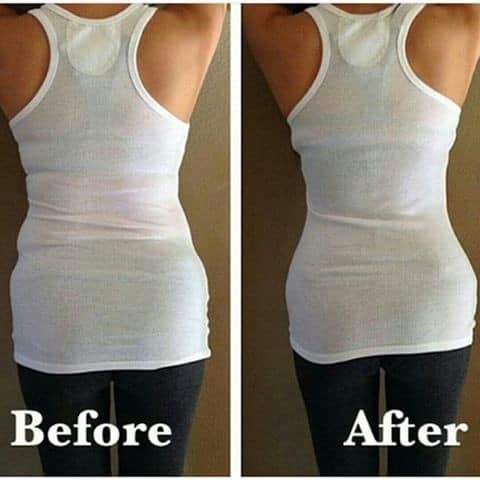
Images give you a more intuitive view of the changes in your waist. Take a high-quality photo of your waist at the same time of day, in the same place and the same position every other week, and always make sure the light is natural.
3. Stop Worrying Your Weight
Psychological diathesis can affect your training results, so it ‘s better to have a right training mentality without worrying about weight. Measurements and photographs can tell you the actual training results, regardless of whether your weight changes.
Featured Stories
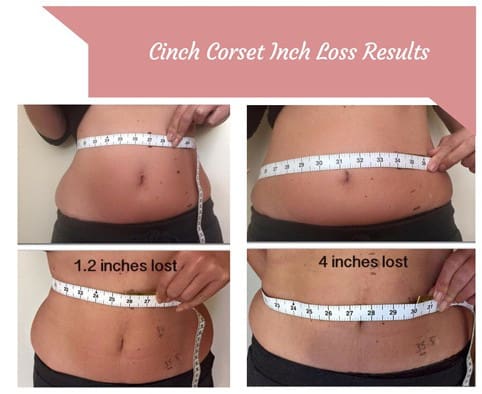
Whether you ‘re planning on the waist training or ongoing, it is inspiring and motivating to see other people ‘s waist training results.
1. Shiela, Naima, and Marta
We can already see the results of waist training in most celebrities. What we want to show you is the progress that real women are making in this type of physical fitness endeavor. They have interesting stories to tell and sometimes, it’s not just skin deep. Their lives are transformed inside and out. They become more confident with excellent results from waist training.
A woman in her 30s gave birth, and she tried waist training after her 3rd month. She was determined to lose the weight she gained during her pregnancy, and of course, nothing gets in the way of a driven woman. She missed several inches from her waist in just six months of waist training. She realizes that waist training is a temporary problem-solver. What she did was to combine a regular exercise routine and a healthy diet to her lifestyle change, and she was fortunate to gain her original body back.
Naturally, most of her family and friends noticed the transformation and they were also interested in trying it. It was her friend, Shiela, who was proactive in learning more about waist training. At first, Shiela bought latex waist trainers because she thought they would be comfortable especially since she has an active lifestyle. She was consistent for four months, and the results were to her liking. She loved how she felt and looked while wearing waist trainers. Moreover, she enjoyed the compliments that she started receiving when she wore the waist trainer underneath her clothes. It made her look sexy and attractive, and she became less self-conscious with her appearance.
Shiela’s younger sister also got curious about the waist training method and when she saw the significant progress that her sister was making she jumped in the bandwagon. Naima is three years younger than Shiela, but she is slightly overweight. She believed and hoped that waist training would help her lose the excess fat. She was right! She was eager to wear corsets every day because aside from making her look appealing, she also felt a sense of control over her body. She hasn’t had that experience for years, and she considered it a welcome change. Her best friend, Marta, has a similar dilemma with her weight and she asked Naima if they can do waist training together. It was a great practice because they became accountable to each other’s progress. It became easier for them to do it on a daily basis. Of course, they incorporated cardio and even Yoga into their lifestyle so that they will feel more motivated and energized.
Naima and Marta are just a couple of girls who have proven how effective waist training is. Most of their friends are also in on the secret, and they have tried to organize Zumba classes while wearing corsets or waist trainers. It has become a fun lifestyle for the girls which only goes to show that age doesn’t matter when it comes to being fit and healthy.
2. Nina
Another inspiring story of a real woman who is into waist training for three years is about to unfold. Nina was a workaholic who didn’t have time to exercise because she worked for a big firm during the day and she volunteered for a nonprofit at night and during her weekends. It was impossible for her to even think about her physical appearance but she noticed that when she wears more delicate clothes, people respond better to her. At the same time, Nina also smiles more when people give her compliments.
When she started wearing corsets, she found them uncomfortable, but she liked how they made her body look. What Nina adored about corsets is that she doesn’t have to allot a day or two to wear the corsets for it to work. She can wear them underneath her everyday clothes and even just by brisk walking, she was able to lose a few pounds.
Up to now, Nina has been consistent with wearing trainers for three years, and she feels great. To your surprise, Nina had even shifted her priorities to her health first then when she figured out what her capabilities were, she involved herself in quality work and worthwhile causes. Nina is having the time of her life, being in control and at the same time having fun and not being too serious all the time. She has found her balance, and she is thankful for waist training for helping her achieve it.
What Results Can You Expect?
There is no way in the world to predict the results accurately. The waist training results depend on some factors, so there ‘s a good chance it will differ from what you first thought. What kind of elements will affect the results? Here are six typical ones:
- Physical fitness.
- The tightness of you lacing the corset.
- The length of time you wear a corset every day.
- The number of days you wear the corset a week.
- Eating habits.
- Daily exercise.
So there are too many variables to predict the results. All you need to do is stick to the plan you made and finally look at the real results.
How Soon Will You See Results? (What Affects Your Timeline)
Waist training is not a one-size-fits-all timeline. Long before modern shapewear, 18th-century courtiers and ladies-in-waiting relied on tight-lacing to reshape their silhouettes, and the same simple truth still applies today: how fast you see a change depends on your starting body and how consistently you wear your trainer. The results are best described as semi-permanent — they are produced by steady, consistent compression of the abdominal region, and the permanency scales with how many hours per day you actually wear the trainer.
One important variable is how much fat you are working with. A higher-fat body can often cinch down by as much as ~10 inches, whereas a leaner, low-fat body may only achieve 2–3 inches, because adipose tissue compresses under the corset and then bounces back once it is removed.
Seven Factors That Govern Your Result Speed
- Body type — pear-shaped figures tend to gain curves faster than square or more masculine builds.
- Type of body fat — subcutaneous fat (just under the skin) responds and loses faster than deeper visceral fat.
- Muscle tone — dense, well-developed lower-ab muscle is harder to compress, so results come slower.
- Water retention — if you carry chronic bloating or water weight, you may notice faster results early on.
- Age — younger bodies reshape more easily; older trainees may need to wear the trainer 2–3 times longer than the standard 4 hours to see comparable change.
- Prior pregnancy — stretched tendons and ligaments leave softer, more pliable tissue, which can make training easier and more effective.
- Proper diet — avoiding starch and carbs while eating leafy greens supports the process (see the diet tips below).
Men vs. Women
Results also differ by sex: men typically lose inches faster, while women tend to lose more slowly but maintain their results better over time.
Myths & Realistic Expectations
It helps to separate what waist training actually does from what people assume it does. Three of the most common misconceptions:
- “It melts away extra body weight.” Waist training reshapes through compression; it is not a standalone weight-loss device.
- “It permanently controls appetite and hunger.” Wearing a trainer can reduce appetite through stomach pressure while it is on, but it is not a lasting appetite cure.
- “The more you sweat, the more it’s working.” Heavy sweating is not a measure of success — chasing it can actually risk dehydration, so keep your fluids up.
What to Expect When You Start
The first few weeks are an adjustment period. Here is what is normal:
- The trainer will feel very tight and you will be aware of it affecting your breathing — but you should never feel breathless. If you do, loosen or remove it.
- It can be genuinely hard to put on the first few times.
- Follow a gradual break-in schedule: start at about 1.5–2 hours per day and slowly build up to 6–8 hours per day.
- Expect a drop in appetite, since the trainer puts gentle pressure on your stomach.
Some wearers also describe the trainer as a kind of behavior-shaping cue — a Pavlovian nudge that discourages slouching and over-eating while it is on.
Diet While Waist Training
What you eat strongly influences your results. While training, it helps to:
- Eat more fiber.
- Favor foods rich in Vitamin A and Vitamin C.
- Take a probiotic supplement.
- Stay well hydrated.
- Limit starch and carbs in favor of leafy greens.
Before & After Examples
These results come from real women across very different lifestyles — not Kardashians, just average people from different walks of life. Keep in mind that not all of these results are typical (see the health note at the end).
| Name | Result | Duration | Routine / Hours | Notes |
|---|---|---|---|---|
| Mellisa J. | 29″ → 26″ | 4 months | 8–16 hrs/day + sleeping 4 nights/week | Used Ann Chery 2021 3 Hook Classic Latex |
| Abigail S. | 36″ → 29″ | 3 months | Workout-friendly wear | Camellias Waist Trainer Belt; improved posture/back issues |
| Barbara K. | 32″ → 26″ | 3 months | First results within 14 days | Jazz teacher; Weight Loss Belts Sports Girdle (steel-boned) |
| Sarah Tisdale | −3″ from a 25″ waist | — | Corset training | Dietician; deliberately switched to maintaining so as not to go below her ideal |
| Two sisters | −4″ each | 2 months | ~20 hrs/day (4 hrs rest) | Extreme consistent-wear case |
| Blair C. | Perfect hourglass by 10 months; −14 lbs | 1 year | >9 hrs/day | Switched to small, frequent meals |
| Jessica A. | Tightens a bit each week | 5 months | ~45 hrs/week incl. at work | — |
| Marisa G. | Maintained shape through pregnancy | 3 months | 6 hrs/day + leg lifts, squats, planks | Trained while pregnant |
| Kendall S. | Working toward a 25″ goal | 4 months | 8–16 hrs/day + sleeping 3 nights/week | — |
| Bree (Britney) B. | Noticeable posture change at 3 months | 3.5 months | Rookie schedule | — |
| Vanness S. | Held her measurements despite gaining 15 lbs | 6 months | Desk-job wear for posture | — |
| Eryn S. | −8″ uncorseted; now wears an 18″ corset | 2 years | Progressed through 3 corset sizes | — |
| Agnes N. | 160 lbs → 147–152 lbs; 18″ corset | 8 months | — | — |
| Carley J. | Sciatica relief; eats less | 1 year | — | — |
Quick Post-Partum Timelines
New mothers often ask how fast they can get back to their pre-baby shape. A few short examples, all using a workout-style Ann Chery waist trainer:
- Fiona (stay-at-home mom) — back to an hourglass in about 8 weeks.
- Eileen (interior designer, desk job) — hesitant at first over fears of pain, returned to her pre-baby body in about 12 weeks.
- Hester (full-time nanny) — about 8 weeks, and she never cut her diet.
Product Picks Behind These Results
The named results above were achieved with these trainers. Choose based on how you plan to wear it — everyday cinching vs. workout flexibility vs. firmer steel-boned shaping:
- Ann Chery 2021 3 Hook Classic Latex — a firm latex trainer for everyday cinching; behind Mellisa J.’s 29″→26″ result and the post-partum cases.
- Camellias Waist Trainer Belt — a latex-free, stretchy, workout-friendly belt; credited with posture and back improvement (Abigail S.).
- Weight Loss Belts Sports Girdle — a latex spiral steel-boned style for firmer shaping (Barbara K.).
For more flexible, workout-style trainers in particular, wearers frequently report posture gains and back-pain relief compared with rigid latex corsets.
Waist Training Beyond the Numbers
Results are not only about inches. Many wearers use a discreet corset under corporate attire for a slimming, polished, posture-improving effect, and waist training has long had a positive image among burlesque dancers, theater performers, and transgender performers who use it to shape a confident silhouette.
A Note on Health & Realistic Expectations
Not all of these results are typical, and everyone’s body responds differently. Please talk to a trusted health professional before you begin corset or waist training, listen to your body (you should never feel breathless), and monitor your health throughout. Waist training works best as one part of a healthy lifestyle alongside balanced eating and regular exercise — it is not a medical treatment or a guaranteed outcome.