A Trend That Took Over Social Media
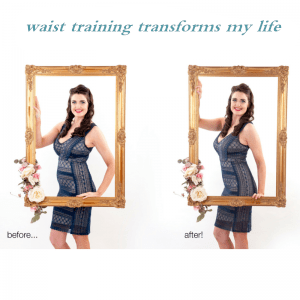
Waist trainers, waist cinchers, waist training corsets, waist shapers — whatever name you give them, they all share one thing: the obsession people have with them.
Plenty of celebrities, from the Kardashians and Lindsay Lohan to Madonna and Jessica Alba, have been linked with waist shapers. Search Google and you will find many brands promising to give you the perfect hourglass shape. On Instagram alone, the waist training hashtag has hundreds of thousands of posts.
It is easy to see the appeal. Who wouldn’t be tempted by the idea of slipping on a small undergarment and instantly looking like a curvy model? If that were all it took, sign me up too.
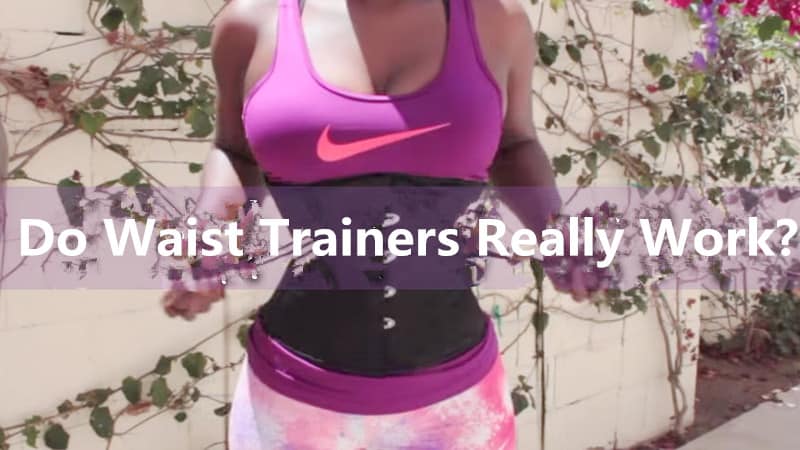
But Do Waist Shapers Really Work?
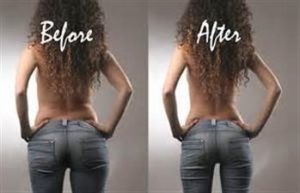
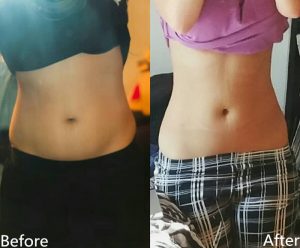
The central question is whether these waist trainers are as effective as the marketing suggests. Can they truly help with reducing your waist?
It helps to look closely at what each company actually claims their product does. Even with heavy social media promotion and endorsements from well-known trainers, a lot remains unclear.
The most common promises made by manufacturers include claims that a waist shaper will:
- reduce the fat and size of your waist
- boost fat metabolism
- help your body release “toxins”
- support and compress your core
- reduce how much you eat during the day
Many of these are strong claims, so it is worth examining how realistic they are.
A Few Situations to Help You Decide
 Source: https://www.splotted.com/waist-trainer-belt-postpartum-tummy-trimmer/
There are many claims like the ones above, and some of them deserve a closer, more critical look.
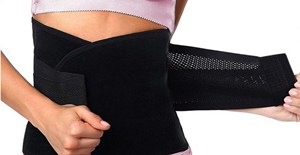
The first thing to understand is that many of these shapers are made of latex. If you have ever worn latex gloves, you know how sweaty your hands become. In the same way, you are likely to sweat a lot while wearing a waist shaper.
That sweating leads to a loss of water weight — not actual body fat. It is important to keep that distinction in mind.
Situation 1: The Scale “Drops” After a Workout
Imagine a woman who wears a waist trainer while working out and sweats heavily. She steps on the scale afterward, sees she is two pounds lighter, and assumes she is wearing a miracle device.
What she may not realize is that she hasn’t lost real fat. That number on the scale isn’t true progress. Once she drinks water and eats a normal meal with carbohydrates, the weight usually comes straight back.
There are also women using a waist trainer for the first time who, at the same time, exercise regularly and watch what they eat. Naturally, they lose weight — and they may credit the waist trainer, when the diet and exercise are doing most of the work.
Situation 2: Pressure on Your Internal Organs
Here is a fair question: would you like your internal organs to keep working properly? The same goes for your digestive system. The answer, of course, is yes.
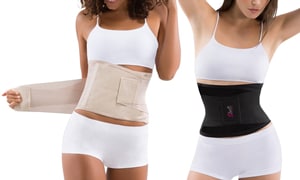
With that in mind, it’s worth knowing that wearing a tight waist trainer places pressure on your internal organs. Squeezing the middle of your body can limit the diaphragm, which the lungs rely on to expand and contract comfortably.
Mary Jane Minkin, M.D., clinical professor of ob-gyn at Yale School of Medicine, has shared her view that, medically speaking, you cannot reduce your actual body size simply by wearing something that compresses it. Any slimming effect is temporary: as soon as you remove the waist trainer, your body returns to its original shape.
Wearing one too tightly can also be uncomfortable, restrict movement, and make it harder to breathe, which is one reason to be cautious.
 Source: https://www.groupon.com/latest-deals/gg-sbelts-miss-waist-trainer-body-shaper
Another downside reported by some women is wearing a waist trainer during a workout. It can make breathing harder and may interfere with how your muscles develop, because exercising bodies need more oxygen than a tightly cinched waist comfortably allows.
After exercising, your body needs extra oxygen, and the lungs may not have enough room to fully expand while a waist trainer is in place.
Think back to history lessons about the Victorian era — the women who wore tight slim corsets, applied their makeup, and tried hard not to faint in their dresses. Their organs were often compressed enough to cause health problems, yet many felt the look was worth it in those dresses.
You probably heard about the negative health effects of corsets back in school. Modern waist trainers are similar, and they are often wrapped in an appealing little package with clever marketing and celebrity endorsements to help them sell.
Situation 3: The “Spot Reduction” Myth
Many waist training companies claim that, just by wearing their device, you can melt away fat from your waist area specifically. In reality, this isn’t how the body works.
Targeting one particular area for fat loss — known as spot reduction — generally isn’t possible. You cannot choose exactly where your body loses fat.
The Better Way to Slim Your Waist
By now you can probably see that a waist trainer isn’t a magic answer, and that you can’t target one area of your body to burn fat there. A more realistic approach is to reduce body fat overall through healthy habits.
Things That Can Genuinely Help
 Source: http://www.gaylelaibledesigns.com/weight-loss/
- Build a nutrition plan that fits you. Skip the cookie-cutter diets and one-size-fits-all diet books. Consider working with a qualified coach or dietitian who can help you set sensible macronutrient targets and build a healthy eating plan around your goals and body.
- Strengthen your training. If you are doing endless cardio but not seeing results, cardio alone may not give you the lean, athletic look most people want without some muscle. Women shouldn’t be afraid to lift heavier weights as part of a balanced routine.
- Be consistent. Follow the two points above regularly and stay patient. People often flip-flop between workouts and never see progress. Results don’t happen overnight, so stick with your plan.
- Ease into waist training gradually. If you choose to use one, start with about one hour at a time.
- Drink plenty of water every day.
- Choose the correct size of waist shaper so it is comfortable and not overly tight.
As with most things in life, quick fixes rarely work. If they did, most people would already look like they stepped off the cover of a fitness magazine.
I often tell my coaching clients that you get out what you put in. Put in little effort and that is roughly what you’ll get back; put in honest, consistent work and it tends to pay off. Remember that any visible change takes time, so be patient and keep exercising.
A waist shaper may help you feel more supported and look smoother under clothing while you wear it, but it is not a substitute for healthy eating and regular activity. It cannot cure, treat, or guarantee weight loss, and any slimming effect lasts only as long as you have it on.
Before starting waist training or any new diet or exercise program — especially if you are pregnant, postpartum, or have an existing health condition — talk with a qualified health professional first.
If you have a friend who is looking for a waist trainer, do them a favor and share this article so they can make an informed decision.