Most of us want to look and feel our best. The catch is that reaching a body shape you are happy with usually takes time and consistent effort. Stubborn body fat can feel uncomfortable in tight-fitting clothes or swimwear, and for some people it chips away at their confidence and makes them less inclined to be social.
If you carry an unwanted, protruding belly and are looking for a little extra help on top of healthy habits, a slimming belt is one inexpensive tool many people like to try.
What Is a Slimming Belt?
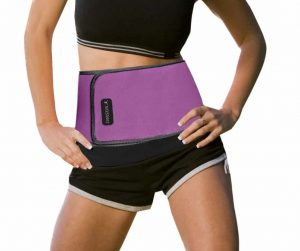
A slimming belt is a specially designed belt made from a synthetic polymer that looks and feels a lot like rubber and resists oil and weather. That polymer is neoprene, and most slimmer belts are simply a neoprene wrap. You put it on around your waist, switch it on (if it has a vibrating unit), and it encourages you to sweat in the area it covers.
It is designed to help engage the abdominal muscles and is comfortable enough to wear under your clothing.
The aim of a slimming belt is to compress your midsection and, by raising the temperature around the area it covers, encourage you to lose some water weight. Any reduction in inches you see is temporary and is mostly water. Some users also find the support comforting if they have occasional aches in the back, and it can help them feel more aware of their posture. Slimming belts are inexpensive, can be a comfortable add-on to a regular exercise routine, and are usually adjustable to fit many different waist sizes.
When it comes to weight loss, results vary and any change tends to be short-lived. Wearing the belt makes you sweat, which can leave you dehydrated, and once you take it off your body rehydrates and returns to normal. A belt does not remove body fat, so any inches lost from fluid will typically return.
To work toward genuine, lasting weight-loss goals, focus on regular calorie-burning exercise, a balanced diet, and cutting back on high-calorie foods. It is also a much safer approach to talk to your doctor before starting any new workout or fitness plan.
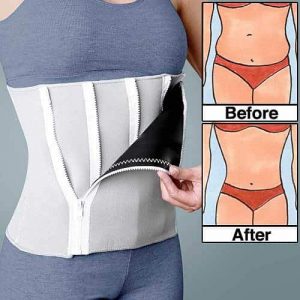 Source: http://asseenontvmalaysia.com/
Do Slimming Belts Really Work?
A slimmer belt is a cheap, accessible way to feel more cinched in without much effort. What it does not do is melt away fat: it will not burn off your body calories, and any slimmer look comes from compression and temporary water loss rather than fat reduction.
While you wear it, the belt can make your waist look slimmer and give you a smoother, bump-free appearance. Wearing a slimming belt for around 30 minutes a day may make your hips, arms, legs, and waist look a little trimmer in the first few weeks, but remember that this is a temporary, cosmetic effect.
Be realistic: a slimmer belt can be a waste of time and money if you are not also following a sensible diet and making running and exercise a priority, because the results are short-term. The belt will not permanently change your body shape, and the inches you appear to lose are largely fluid and water that can return quickly.
A slimming belt on its own will not produce weight loss, but it can be a small, motivating part of a routine when you pair it with a consistent diet and regular exercise.
How Does a Slimming Belt Work?
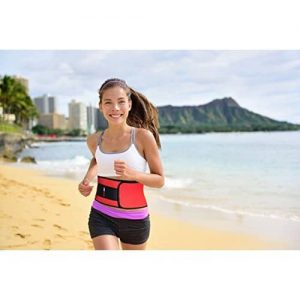
A slimming belt is essentially a body wrap. It fits snugly around your midsection and can be worn comfortably under your clothes, and it encourages sweating in much the same way that a warm workout does.
The belt should never be so tight that it interferes with normal body functions or breathing. For many people it works largely through a placebo-like effect: it keeps your core engaged and reminds you that you are working on your body. The snug fit also creates a warm sensation around your midsection.
1. Vibrating Motion
The vibration in a slimming belt comes from a small device held at the top of the belt. It feels a little like a phone buzzing. Some slimming belts include this vibrating unit while others are plain belts with no motion at all.
The vibrating versions move back and forth and can make your muscles contract a bit more, and many people feel this helps them get a slimmer-looking waist. You can typically use it for around thirty to forty minutes, in almost any posture, whether you are standing, sitting, or going about other tasks. Some users do find the constant vibration annoying or irritating, so it comes down to personal tolerance.
2. Increasing Sweating
 Source: http://shopping.rediff.com/
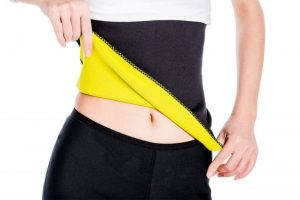
A slimming belt is usually made from thick fabric that air cannot pass through. Worn underneath your clothes during a workout, it traps heat and increases sweat production around the covered area.
This extra sweating is the main reason these belts seem to work, but it is important to understand what is really happening: the weight you lose through sweat is water, not fat. For that reason you should stay well hydrated before and during use. Excessive sweating can be risky; it can leave you weaker and may lower your blood pressure, so listen to your body.
Seven Tips on the Best Way to Use a Slimming Belt
Here are some tips and tricks to help you get the most out of a slimming belt as part of a sensible routine. Work through each one as you build a better overall plan:
1. Position Your Belt Well
Aim to make your waistline look a little smaller by positioning the belt carefully. Avoid placing a belt or corset over your widest area; adjust it toward the upper part of your midsection. Empire-style tops are another good option, as they tend to give a slimmer look and help disguise the lines of your stomach.
2. Start Your Day with a Healthy Breakfast
 Try not to skip breakfast. A balanced breakfast of around 300 calories that mixes protein and whole grains is a good starting point. A sandwich with apple butter or peanut butter is one easy option. The key habit is simple: do not skip meals, and aim for a healthy, balanced diet.
3. Choose the Right Belt or Shapewear
Look for belts or shapewear made from thinner fabric, since you will often wear them as inner garments. You can also try V-neck shapewear pieces; these can streamline your neckline and help smooth your tummy fat while worn.
4. Try a High-Quality, Well-Fitted Garment
There are many undergarments that support your body well and give a smoother look while you wear them. The right fit makes your favorite outfits sit better. Choose high-quality fabric and try not to compromise on quality, as a better-made garment generally gives a better result.
5. Stay Committed to Your Goal
Commitment is something you should never lose sight of. Stay dedicated and do not give up on your routine after adding a slimming belt or corset alongside other waist training exercises. Try to tune out anyone who is negative about your plan, stay focused, and use the slimming belt for around 20 to 30 minutes a day so you can see steady progress over time.
6. Follow a Proper Diet Plan
 A slimming belt can give a temporary, toned-looking shape, but a proper diet plan should always come first. In fact, a good diet plan is far more valuable than the belt itself. Reach for fruit and green vegetables as snacks instead of chips, drink water rather than alcohol or sugary drinks, and keep fried and high-fat foods to a minimum. Cutting back on fast food is one of the most reliable ways to support a healthier body.
7. Make Exercise and Running a Priority
No piece of equipment matches the value of regular running and exercise. They are a natural, lasting way to work toward the body you want, and they help you become more toned and healthier overall. Being healthy matters more than simply having a smaller waistline.
Four Side Effects of Using Slimming Belts
The short-term, slimmer appearance can be encouraging, but slimming belts may have some side effects worth thinking about, and it is wise to check with your doctor before buying one.
1. Electrolyte Imbalance
Excessive sweating can throw off your body’s electrolyte balance. If you notice muscle cramps while wearing a slimming belt, stop using it immediately and have an electrolyte-containing sports drink.
2. Dehydration
Wearing a weight loss belt can make you sweat heavily and become dehydrated. This is why experts warn that overusing a slimming belt can be harmful, so drink plenty of water on the days you use it.
3. Raised Body Temperature
A weight loss belt keeps you sweating to create that temporary slimmer look, but it does not let your body cool down easily. Using it in hot conditions may increase the risk of heat-related problems such as heat exhaustion, heatstroke, and fatigue.
4. Skin Irritation
A slimming belt traps perspiration against your skin and blocks fresh air from reaching it. Long-term use of a slimmer belt can encourage rashes, itchiness, acne, and burns.
How Long Should You Wear a Slimming Belt?
Even if you do not notice any side effects, too much of anything is not good. As a general guide, do not wear the belt for more than about 45 minutes at a time.
Who Should Not Wear a Slimming Belt?
You should not wear a slimming belt while you are pregnant. If you notice unexplained belly or back pain, or any serious breathing difficulty while using it, stop immediately and see your doctor right away. As a general rule, talk to a qualified health professional before you start using a slimming belt, especially if you have any existing health conditions.
Seven Top Brands of Slimming Belts You Can Choose
- TNT Pro Series Waist Trimmer Weight Loss Ab Belt
- Sports Research Sweet Sweat Premium Waist Trimmer
- EzyFit Adjustable Waist Trimmer Belt
- AZSPORT Waist Trimmer
- McDavid Waist Trimmer Ab belt
- Bracoo Adjustable Waist Trimmer Belt
- ActiveGear Premium Waist Trimmer Belt
Conclusion
Slimming belts are made from neoprene to give a smoother appearance while you wear them. By compressing your midsection and encouraging you to sweat, they can make your waistline look trimmer for a while, but the effect is temporary and they do not remove body fat or cause real weight loss. Where they can add value is in comfort and posture awareness, and as a small motivating extra alongside the things that actually work.
Paired with a healthy eating plan, regular exercise, and running, a slimming belt can be a comfortable part of your routine. Combine these habits, listen to your body, and check in with a qualified health professional when needed, and you will be working toward your goals in a safe and sustainable way.