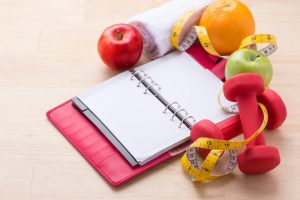
A trimmed waistline is often seen as a sign of beauty, and many people work hard to feel confident in their bodies. How your midsection looks depends largely on your diet plans and exercises. Sticking to a balanced nutritional plan that suits your body can help you gradually lose body fat and support a healthy metabolism.
Choosing the right foods in the right amounts matters: what you eat counts just as much as how much you eat. This guide focuses on foods and eating habits that may help support a slimmer waistline as part of an overall healthy lifestyle.
Start by Understanding Your Body
Begin by getting a sense of your current fitness level and your ability to perform routine exercises. Include movements that work your waist and core, and build an exercise plan that is reasonable for where you are now before gradually moving on to more intense activities.
Keep a record of what you do each day and check your weight regularly. Over time, consistent exercise paired with a sensible diet can help you make steady progress toward your goals.
Build Your Own Eating Plan
You can work toward a flatter tummy by reducing overall body fat while supporting a healthy metabolism, as long as you follow a sensible eating plan. Keep in mind that you cannot “spot reduce” fat from one specific area, so the goal is to lower your overall body fat through a combination of a balanced diet and regular exercise.
1. Calorie Intake
Calories are the first thing to pay attention to. Fat loss generally comes down to caloric balance: over time, taking in fewer calories than you burn supports gradual weight loss.
If you follow a particular diet consistently but your weight stays the same, it may be a sign that your plan needs adjusting. A modest daily calorie reduction can support steady, sustainable fat loss of roughly one to two pounds per week. Avoid very aggressive cuts, and consider working with a professional to find a deficit that is safe for you.
2. Macronutrients
Macronutrients are carbohydrates, fats, and proteins, and your body needs each of them in appropriate amounts to function well. A common starting point for a fat-loss diet is roughly:
- 40 percent of your intake from carbohydrates
- 30 percent from fats
- 30 percent from proteins
Another simple way to balance a meal is to fill your plate with one-quarter proteins, one-quarter whole grains, one-quarter fruits, and the remaining one-quarter with vegetables.
3. Food Choices
Choose lean protein sources such as turkey or chicken breast, shellfish, white fish, low-fat dairy products, or beans. Get your carbohydrates from vegetables, fruits, and whole grains such as whole-grain pasta, whole-wheat bread, or brown rice. For fats, enjoy a few nuts, avocado, or seeds, cook with olive oil, and occasionally include higher-fat protein sources such as ground beef or salmon.
Here is one example of how a day of meals might look:
- Breakfast: Toast or a vegetable omelet with a bowl of oats served with skim milk, berries, and chopped almonds, or a small piece of fruit.
- Lunch: A protein- and veggie-filled sandwich made with whole-wheat bread, or a salad with fish, meat, beans, and cottage cheese.
- Snack: Roasted almonds; 1/4-1/2 cup of trail mix; a fresh fig; or one slice of whole-grain toast with 3-4 tbsp of crushed raspberries or 2-3 tsp of peanut butter. A vanilla-flavored yogurt shake also works.
- Dinner: A lean protein with a carb source such as whole-grain pasta or sweet potato, along with green vegetables and fruit, or low-sugar yogurt for dessert.
If you are not seeing the progress you want, you can adjust your portion sizes and swap higher-calorie foods such as pasta, nuts, and bread for lower-calorie options like grapefruit and berries.
4. A Simple Plan for Balanced Nutrition
- The first week: Eat three meals and one snack a day.
- After the first week: Have three meals and two snacks a day.
Also make sure you stay well hydrated throughout the day, whether with tea, coffee, or plain water.
12 Waist-Friendly Foods
When it comes to your waistline, what you eat is as important as how much you eat. Pairing a proper exercise routine with a balanced diet is the most reliable way to reduce belly fat. Many wholesome foods can support that effort, and you can find most of them in your fridge.
Look for foods that are high in protein and fiber and lower in fat. These help you feel satisfied and support overall health, and fiber-rich foods are especially helpful because they aid digestion.
1. Berries
Berries help satisfy dessert cravings and can keep you feeling full longer. They are sometimes called nature’s fast food because they quickly add sweetness to dishes, and you can also add them to salads or smoothies. Fresh berries are rich in vitamins and minerals. They do contain some sugar, but their fiber content slows digestion, making them a satisfying, nutrient-dense snack. Avoid canned berries, which are usually packed in sugary syrup, and choose fresh berries instead.
2. Chia Seeds
Chia seeds are a great choice when you want a filling, nutrient-rich food. They are high in fiber and protein, which can help keep you feeling full for longer so you stay satisfied between meals. You can add chia seeds to salads, oatmeal, or smoothies.
3. Hot Peppers
Hot peppers contain capsaicin, which some research suggests may give your metabolism a small, temporary boost and help you feel less hungry. They make a flavorful, low-calorie addition to a healthy meal.
4. Kale
Kale is a popular ingredient in many dishes. It offers numerous nutrients and is full of vitamin K, and leafy greens like kale may help reduce bloating as part of a balanced diet.
5. Lentils
Lentils are a time-saving food that cooks quickly and satisfies your appetite. Lentils and other legumes are high in protein and fiber and low in fat. They make a delicious main course as well as a great side dish, especially for vegetarians.
6. Quinoa
Quinoa is a whole grain that you can enjoy with fish, chicken, or vegetables. It makes a dish filling without adding a large number of calories.
7. Eggs
Eggs are an excellent source of high-quality protein, which supports your muscles and helps you feel full. One rough way to estimate your daily protein target is to multiply your body weight (in pounds) by about 0.4 and aim for that many grams; a professional can help you fine-tune the number. You can also get protein from peanut butter or salmon.
8. Spicy Mustard
Spicy or brown hot mustard adds bold flavor to meals for very few calories, which can make lighter dishes more satisfying. A teaspoon or two is an easy, low-calorie way to liven up your food.
9. Watermelon
Watermelon is rich in water, vitamins, and minerals, and acts as a mild natural diuretic. It may help you shed some water weight temporarily, though this is not the same as losing body fat. You can snack on it easily or add it to a smoothie.
10. Yogurt
Yogurt makes a great snack as part of a waist-friendly diet. It is a source of probiotics, which support the beneficial bacteria in your digestive system. Avoid heavily flavored versions, which tend to be high in sugar. Instead, choose protein-rich, plain Greek yogurt, and mix it with fresh fruit, chia seeds, or a small drizzle of honey.
11. Chicken Breast
Chicken breast is a high-protein, low-fat meat that is usually affordable. Its protein can help you feel full and supports maintaining muscle mass alongside regular exercise.
12. Canned Tuna
Tuna is inexpensive and easy to store. Like chicken breast, it is high in protein and low in fat, but it can be cooked into a wider variety of dishes. Tuna is usually sold pre-cooked, which makes it a very convenient snack.
Other Tips for Fat Loss
- Eat smaller meals slowly, which can help you tune in to fullness and avoid overeating.
- Include probiotic foods to support healthy digestion.
- Limit your sodium intake, which may help reduce water retention and bloating.
- Go easy on carbonated drinks to help prevent bloating and discomfort.
Conclusion
The eating habits outlined above can help support a trimmer waistline over time. Eat plenty of fruits and vegetables with a high water content, pair them with high-quality protein, and combine these habits with regular workouts for the best results. Remember that real fat loss takes consistency and patience, and there are no shortcuts that work overnight.
Everybody is different, so it is a good idea to consult a qualified healthcare professional or registered dietitian before starting any new diet or weight-loss plan.