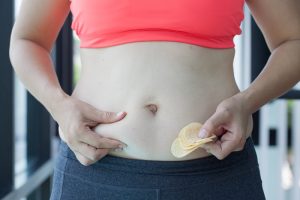
Few things motivate you to start losing inches off your waist quite like an upcoming physical training (PT) exam. Many jobs require you to be in good shape, and you can be turned down if your measurements fall outside the required range. If your body composition is outside a healthy range, it is worth addressing, because being fit also makes the work itself easier to handle.
These physical tests are not only a gauge of your capacity; they also help the organisation you want to join. It is reasonable for an employer to expect workers to be in good physical condition with the stamina to endure the job.
Why Employers Use Physical Tests
Physical exams give both you and a prospective employer an honest snapshot of your fitness. They check whether you have the strength and endurance for the role and encourage you to take a genuine look at your own health. In that sense, a PT test can be a blessing in disguise, prompting you to assess whether you are leading a healthy, productive life.
Build a Simple Exercise Routine
Trimming your waistline is not rocket science. The main step is to build regular activity into your daily life. To help reduce excess fat around your midsection, focus on cardio:
- Jogging done consistently is a reliable starting point.
- Running raises the intensity once you are ready.
- Hiking on weekends, or a few times a week, adds variety and challenges your whole body.
If you currently live a sedentary lifestyle, ease in gradually rather than trying to do everything at once, and avoid becoming complacent. Small changes add up:
- Run your errands on foot whenever you can.
- Cycle to the shops instead of driving.
- Look for everyday chances to move more.
Your job may be on the line, but so is your overall health and well-being, so it is worth being intentional about staying active.
Train for the Specific Tests
A PT exam usually includes specific exercises that test strength and endurance, so it helps to practise them:
- Sit-ups: use proper form to work the muscles effectively, and do not overdo it. The goal is to pass the exam, not to win a competition.
- Planking: hold a plank for a short period daily, or at least every other day, to build core stability.
Aim for regularity. When your body comes to expect a set schedule for exercise, it adapts and prepares to use energy more efficiently.
Assess Your Diet
If a physical exam is coming up, review what you eat as well. Combined with regular exercise, sensible eating may help support fat loss over a few weeks. It does not have to be complicated:
- Eat more fruit and vegetables.
- Favour protein sources to help fuel your workouts.
- Be mindful of heavy, carbohydrate-loaded meals late in the evening, which can leave you feeling sluggish and less inclined to be active.
A gentle walk or light treadmill session before bed can help you unwind, but a large, heavy dinner may have the opposite effect.
Manage Calories Over the Long Term
Reaching and maintaining a healthy body composition is a long-term commitment, not just something for one test, and exercise and diet work hand in hand. Eating far more than your body needs day after day can work against your health, so it helps to keep your intake in a sensible range.
If you do not enjoy counting calories, that is fine, as long as you genuinely listen to your body. Most of us know which foods are the healthier choices; the harder part is regulation, because we tend to assume that if food tastes good we should eat more of it. Training your mental discipline, so that you exercise consistently and eat well even when you feel lazy, makes the biggest difference.
Track Your Progress
One everyday gauge of fitness is how easily you move. If climbing stairs or catching your breath feels difficult, it is worth asking whether you are taking good care of your body. When you are using your body well, you are more likely to feel energised for much of the day.
While preparing for a physical exam, monitor your progress so you can adjust your approach when needed:
- Weigh yourself and review your progress on a weekly basis.
- Keep an eye on how your energy, endurance and focus are trending.
- Consider checking your blood pressure to confirm you are training and eating sensibly.
Keep Going After the Test
Once you pass the physical exam, try to maintain your momentum so you can enjoy a healthier body for years to come. Staying active matters even more as you get older, when stamina helps you keep your job and contribute effectively. Take the time to assess your energy, endurance and mental sharpness, all of which a steady exercise and diet routine can support.
This article is for general information only and is not medical advice. Before starting a new exercise programme, changing your diet or preparing for a strenuous fitness test, consult a qualified health professional, especially if you have any existing health conditions.