A “beer belly” – extra fat that builds up around the midsection – is common in both women and men. It often appears as we get older and our metabolism gradually slows, making it easier to store fat from the calories we eat.
Much of this is visceral fat, the deep abdominal fat that surrounds your internal organs. Research has linked higher levels of visceral fat to a greater risk of conditions such as heart disease, type 2 diabetes, and other long-term health problems, which is why it is worth keeping an eye on.
Drinking beer regularly can contribute to this pattern. Alcohol adds calories, can stimulate the appetite, and may encourage your body to store fat rather than burn it, all of which can lead to extra weight around the belly over time.
What Causes a Beer Belly?
Do you have to drink beer to get a beer belly? Not necessarily. Several factors play a role.
1. What You Eat Matters
Calories from sugary drinks, alcohol, and oversized food portions can all add up and show on your waistline.
Alcohol has a particular link with fat around the midsection. When you drink, your liver prioritises burning the alcohol, so other calories are more likely to be stored. It is also easy to overdo it: a single serving can contain around 150-160 calories, and a few in one sitting can quickly add up. Alcohol can also increase your appetite, making it easier to eat more.
Sugar and refined carbohydrates may be an even bigger factor than the alcohol itself. If drinking simply replaced other food, a beer belly might not develop, but in practice drinking often leads to a bigger appetite and extra calories.
2. Genetics Play a Part
Your genes influence where your body tends to store fat. If your body favours the abdomen, you may be more prone to a belly. This is also why some people can eat freely without gaining much, while others gain weight more easily.
3. Gender Makes a Difference

The classic beer belly is more common in men than in women. Studies suggest that in men, excess fat is more likely to gather around the abdomen, whereas in women it tends to settle around the hips and thighs.
4. Age Makes It Worse
As we age, weight gain becomes easier because metabolism gradually slows down. Fat that once settled around the buttocks and thighs may start to shift toward the middle of the body.
Why Does Fat Accumulate Around the Belly?
When you take in more calories than you burn, your body stores the surplus as fat. Where it goes depends on factors such as sex, age, and hormones.
Before puberty, both sexes store fat in similar ways. Afterwards, women tend to carry more subcutaneous fat (the fat just under the skin) in the thighs, buttocks, arms, and belly, while men are more likely to store fat deep in the abdomen.
Older adults often have more prominent bellies. As we age, our calorie needs fall and we tend to become less active, while shifting hormone levels in both men and women encourage fat storage around the midsection. Some research suggests menopausal women on hormone replacement therapy may be less prone to belly fat than those who are not, though you should discuss any such treatment with your doctor.
What’s Wrong with a Beer Belly?
Excess fat around the midsection is associated with several health issues, including high blood pressure, type 2 diabetes, and cardiovascular disease. Visceral fat, which sits deep in the abdominal cavity around your organs, is generally considered more of a concern than the subcutaneous fat on your hips, thighs, and waist.
Waist circumference is a simple way to gauge visceral fat. A higher risk of heart problems and metabolic syndrome is generally associated with a waist measurement above roughly 35 inches for women and 40 inches for men. Keeping below these levels is a sensible goal, but use them as a rough guide rather than a diagnosis.
How to Lose Your Beer Belly
There are no shortcuts to losing belly fat. The most reliable approach is to combine healthy eating and drinking habits with regular exercise, and to use waist training as an optional extra. With consistency, belly fat can come down gradually.
[Read more about Waist Training]
1. Change Your Drinking Habits
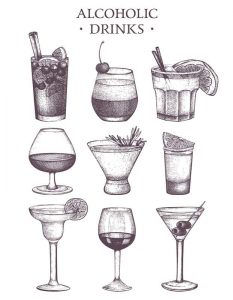
Reducing alcohol is one of the most direct ways to cut down on belly fat, because alcohol calories are closely linked to midsection fat. Cutting back also helps protect your liver and lowers other health risks, so it is wise to avoid binge drinking.
If you enjoy beer, here are some gentler options:
- Choose lighter beers, which tend to have fewer calories.
- Limit alcohol to weekends, or alternate alcoholic drinks with low-calorie non-alcoholic ones.
- Have a healthy meal before you drink so you are less tempted by high-calorie snacks.
2. Change Your Eating Habits
Start by cleaning up your diet with healthy fats, plenty of plants, complex carbohydrates such as whole grains, nutritious vegetables, and lean protein.
Practising mindful eating – paying full attention to your food – can help you tune in to hunger and fullness and support steady, lasting weight loss.
A few more habits that can help:
- Eat smaller, regular meals so you are less likely to overeat at one sitting.
- Limit junk food, which tends to be high in calories and low in nutrients.
- Go easy on heavy carbohydrates late at night, when you are less active, and lean toward protein, which supports muscle repair while you sleep.
3. Exercise Regularly

Crunches, sit-ups, and other core exercises help strengthen and tone the muscles around your midsection. Keep in mind that targeted ab work strengthens the muscles but does not, on its own, burn the fat covering them – that requires overall weight loss.
Aerobic exercises such as cycling, running, swimming, and tennis are among the best ways to burn calories and reduce belly fat. Diet alone tends to work less well than diet combined with regular activity.
A few pointers:
- Aim for at least 30 minutes of activity most days.
- High-intensity interval training (HIIT) can be especially effective for burning calories.
- Add meditation and yoga to help relieve stress, which can also play a role in weight.
4. Try Waist Training
A waist trainer cinches a corset-like garment around your midsection to create a temporary hourglass shape. Worn over a meal, it can make overeating uncomfortable, which may help some people eat a little less.
It is important to be realistic: any slimming effect you see while wearing a waist trainer is temporary and comes from compressing your torso, not from burning or removing fat. Your shape returns once you take it off. A waist trainer is not a substitute for diet and exercise; to see real, lasting fat loss you still need healthy eating and regular activity.
5. Other Small Tips
- Manage stress, since high cortisol levels can increase appetite.
- Include enough protein, which can help you feel full and support a healthy body composition.
- Get good-quality sleep, which helps regulate appetite and reduce stress.
- Add some weight training, which builds muscle and can support fat loss as part of a balanced routine.
- Try steady-state cardio for set periods to complement higher-intensity sessions.
How to Get the Most from Waist Training
If you do choose to use a waist trainer, two things can help you get better, safer results.
1. Choose a High-Quality Waist Trainer

Pick a garment that is comfortable and fits you properly. A good waist trainer should feel supportive around your hips and rib cage rather than painful. A well-fitting corset is more pleasant to wear, while sturdy, securely stitched construction makes it more durable and better value over time.
2. Make a Waist Training Schedule
Build a sensible routine and listen to your body. Many people work up gradually to wearing a trainer for a number of hours during the day, never tightening it to the point of pain or restricted breathing, and remove it if it feels uncomfortable.
Pair waist training with daily exercise and a healthy eating plan, and cut back on alcohol. Remember that any extra sweating under a trainer mainly reflects water loss, which returns when you rehydrate – it is not the same as losing fat. The lasting results come from your diet and exercise habits, not the garment itself.
Conclusion
Drinking beer regularly can contribute to weight gain, especially around the belly, so it pays to keep alcohol in check. Moderate drinking is not strongly associated with a beer belly, but frequent or binge drinking raises the risk.
Because excess belly fat is linked to serious health problems, the best approach is to reduce alcohol, eat well, and stay active, with waist training as an optional extra. If you have ongoing health concerns or are planning major changes to your diet, exercise, or alcohol intake, it is a good idea to consult a qualified healthcare professional first.