Many women dream of an hourglass figure, yet only a few are naturally built that way. To shape their silhouette, a lot of women turn to waist training, and some enjoy it as part of a wider plan to manage their weight. They like wearing corsets because the garments, especially the ones with flattering designs, can make them feel more confident about how they look.
One concern comes up again and again: can waist training affect a woman’s ability to conceive? It is a fair question, and it deserves a clear, honest answer rather than fear or hype.
What Experts and Celebrities Say
Some medical professionals are cautious about waist training because, on its own, it is not a reliable weight-loss method. Any slimming effect you see while the corset is worn is temporary, and wearing one too tightly or for too long can be uncomfortable or even harmful. For women who hope to get pregnant, that is worth keeping in mind.
Other fitness experts argue that moderate waist training, done sensibly, does not affect fertility. The honest position is that the evidence is limited, so the responsible approach is to listen to your body and not assume a corset will help or harm your chances of conceiving.
Some celebrities who waist train to maintain their figures have worried about whether the habit could make it harder to conceive. The reassuring view from many trainers is that there is no clear link between sensible waist training before pregnancy and difficulty getting pregnant.
A few points are widely agreed on:
- If you are already pregnant, an ordinary corset is not appropriate, because it restricts your abdomen’s natural need to expand.
- Keeping your body healthy before and after pregnancy is a good goal, but health comes from balanced nutrition and regular movement, not from a corset alone.
- Women’s bodies vary enormously. Many people who struggle to conceive had those challenges before they ever tried waist training, so it is unfair to assume the corset is the cause.
If you have any concerns about fertility or pregnancy, speak with a qualified health professional before starting or continuing waist training.
Pregnant Women and Corsets in History
Look back a few centuries and you will find that corsets were already part of everyday dress, and pregnancy was treated as a blessing. At the same time, society often expected women to stay out of view during pregnancy. While a bump was still hidden, a woman could go out and mingle, but as it became visible she was expected to conceal it. Because corsets were the norm, garments were even designed to disguise the signs of pregnancy.
Doctors of that era did not always tell women to stop wearing corsets, but they did encourage moderation, and the garments were adjusted to fit the changing body. Early studies on corset wearing and newborns suggested the practice did not obviously harm the babies, who were the main concern of the day. Medicine was far less advanced, however, and some women miscarried partly because they did not realise they were pregnant until much later.
Corset wearing was deeply woven into 18th-century culture, and young women grew up in them. By the time they came to give birth, their bodies had been shaped in ways that could make labour more difficult. Today there are pain-relief options that were not available then. Back then, women endured the pain of childbirth with bodies so used to corseting that pushing and bearing down could be a real struggle, because the tummy area had been trained to stay firm and constricted.
Modern shapewear is far gentler and better designed than the rigid corsets of the past. Used sensibly, waist training is unlikely to directly affect your ability to conceive, though it is no substitute for medical advice. For working women and busy celebrities, this is reassuring, because many feel free to ease back into shape after giving birth. Pregnancy is celebrated rather than hidden these days. If you waist train and then become pregnant, the simple answer is to pause for the duration of the pregnancy and only resume once your body is comfortable and ready. It is all about listening to your body and adjusting to your own comfort. You are in charge of your body, and you can pursue your goals on your own terms.
Waist Training Advice Before, During and After Pregnancy
If you love waist training, you may want to know how it fits with each stage of pregnancy. Whether or not you are expecting, training your waist the right way and putting safety first matters most. Here are some tips for each stage.
1. Before Pregnancy
You may have heard that a waist trainer works like a form of contraception. It does not, and there is no good reason to believe sensible waist training prevents pregnancy. So whether or not you plan to conceive, you can train your waist beforehand.
Just remember to support it with healthy, nutritious food and regular core training, so your body stays strong and well.
2. During Pregnancy
You can still support your body during pregnancy, but only with garments designed specifically for expectant mothers. Once you are pregnant, your stomach needs room to expand, so an ordinary corset is far too restrictive.
Proper maternity shapewear is designed to avoid putting harmful pressure on the bump. It can also help support the abdomen and back, which may ease some of the strain on your body during pregnancy.
3. After Childbirth
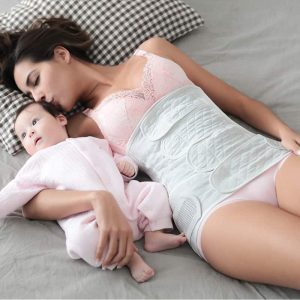
Postpartum binding can be a helpful way to support your body and reduce swelling when you are ready to work back toward your pre-baby shape. In some cases it may also help gently guide your uterus and abdominal organs back toward their usual position.
Safe, well-fitted postpartum support can be especially welcome for women who had a difficult delivery, but always consult your doctor first before you begin.
Problems That Can Occur When Wearing a Corset During Pregnancy
Even though sensible, purpose-made support is possible during pregnancy, wearing the wrong garment, or wearing one too tightly, can cause problems.
1. A Prolapsed Uterus
Holding the uterus under pressure from a corset for long periods may contribute to prolapse, where the uterus shifts out of its normal position. This can affect fetal development and the mother’s health, so it should be taken seriously.
2. Impact on Delivery and the Baby
Inappropriate waist training during pregnancy can make labour more painful and may potentially affect your child’s physical and mental wellbeing.
3. Miscarriage
Wearing a regular corset constantly may raise the risk of an accidental miscarriage, particularly if you do not yet know you are pregnant.
In short, if you choose to support your body during pregnancy, pick the right method and the right purpose-made clothing. If in doubt, it is better to wait until after the birth and to get your doctor’s consent before taking any action. When it comes to your health and your baby’s, a qualified medical professional should always be your first point of advice.