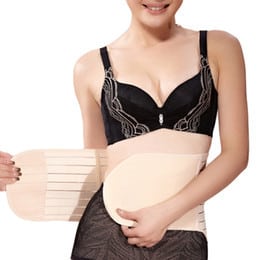
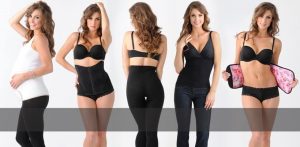
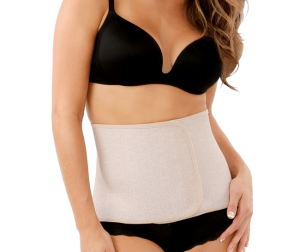
You have probably seen new moms wearing corsets and wondered whether it is just a fashion trend or a genuine recovery aid. This article looks at what postpartum corsets can and cannot do, drawing on expert opinion, so you can decide what is right for you.
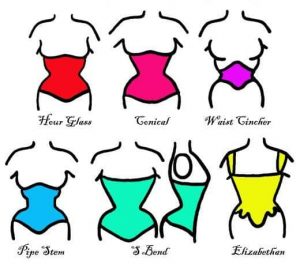
After your baby arrives there is a lot to adjust to, from sleep routines to feeding. Many modern moms also turn to a corset to help their post-baby tummy feel more supported. The idea is not new: this style of garment dates back to designs from the 16th century, and today it is often called a belly wrap. If you are looking for gentle support and comfort while your body recovers, a postpartum belt may be worth considering. But how do these wraps and corsets actually work, and are they safe? Let’s take a closer look.
Waist training generally means wrapping the abdominal area, from the bottom of the ribs to the lower waist, with a corset or band. While the garment is worn it compresses the midsection, which can make the waistline look smaller. Some moms use waist trainers as one part of their routine while working back toward their pre-pregnancy shape. Celebrities such as Brooke Burke-Charvet have used them and even launched their own lines, and many non-celebrity moms report being happy with the temporary slimming look. Some brands are designed to be worn most of the day, while others are intended for around 8 to 10 hours.
It is worth being clear up front: any slimming effect you see while wearing a corset is temporary and disappears once you take it off. A corset does not remove fat. Lasting changes to your body come from a balanced diet, gradual exercise, and time as your body heals.
Does Waist Training Work for New Moms?
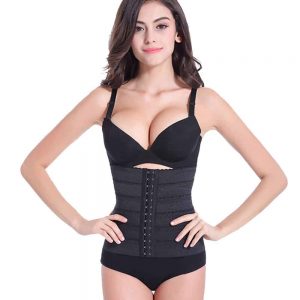 Source: https://www.aliexpress.com/
Before deciding whether a postpartum belly wrap is helpful, it helps to understand post-birth biology. According to Dr. Ross, pregnancy brings significant fluid and hormonal changes, and the amount of water the body holds after birth can be considerable and uncomfortable. For some women this water retention feels even more uncomfortable than pregnancy itself.
Generally, it takes around four weeks for much of this fluid to disperse and roughly six weeks for the uterus to return to its original size. In other words, a good deal of the early fluid loss and tummy reduction happens naturally over time, whether or not you wear a postpartum wrap.
Some postpartum garments are marketed as aiding fluid loss and uterine shrinkage, but these specific claims are not medically proven, and there is no solid research showing that shapewear causes weight loss. It helps to understand the mechanism: these garments do not change fat deposits. Instead, they temporarily compress and support the abdomen, which can change how the midsection looks while the garment is worn.
Recovery also depends on many factors, including diet, exercise, breastfeeding, and genetics. So whether a corset feels helpful really depends on your individual physical condition and lifestyle.
Should You Try Waist Training?
A corset can be a good option for looking slimmer on a particular occasion, such as when you are heading out, and many women say it gives them a confidence boost. According to Dr. Ross, a postpartum compression corset can be helpful for new moms by providing gentle support to the abdomen, hips, and surrounding area after a natural delivery. As with any postpartum product, it is best used for comfort and support rather than as a weight-loss tool.
Are Postpartum Corsets Safe?
Used as intended and not pulled too tight, a postpartum corset is generally safe for most women. Wearing one for 8 to 10 hours a day can feel strange at first, though many people find their body adjusts. However, wearing a corset for too long, or binding the stomach too tightly, can cause problems. Reported risks include restricted movement, weakened abdominal muscles, difficulty breathing, and, in extreme cases, injury or fainting. These are reasons to keep the fit comfortable and listen to your body.
Always follow your doctor’s guidance. If you are advised to limit use, treat the corset as an occasional aid, for example for a party, rather than something to wear constantly. If you notice trouble breathing or any discomfort, loosen the corset or stop wearing it altogether.
Some women prefer a pregnancy girdle because it offers firmer support to the lower abdomen and pelvic area while everything settles back into place.
[Read more about Pregnancy Girdle]
Pros and Cons
 Source: http://www.thelingerieaddict.com/
Pros
- Convenient to use, with adjustable hook-and-eye closures.
- Can make the waist look slimmer instantly by gently compressing the midsection (a temporary effect while worn).
- Some designs include a hooked flap for easy access to the groin area.
- That flap can make postpartum urination easier and help keep the perineum clean and dry.
- Generally safe to wear as long as it is not too tight and is not worn for excessive periods.
- Offers meaningful support in the early weeks after having a baby.
- May help support the abdomen and waist comfortably, which some women find eases swelling and discomfort.
- By encouraging better posture, it may help you feel more supported as you move around.
- Gentle compression may feel soothing for some women, though it is not a medical treatment.
- May help ease back pain by supporting the lower back.
- Quick and easy to put on, which suits a busy schedule.
- Helpful for new moms who have little time, by providing support and a temporarily slimmer appearance (it is not a substitute for diet and exercise).
- May boost confidence and self-esteem by supporting the stomach.
Cons
- Corsets can be uncomfortable to wear.
- They are stiff, and they are not meant to be worn 24/7.
- A tight corset can make it harder to bend, cuddle, and hold your newborn.
- Probably not a good option if you are experiencing significant postpartum pain.
- Some women find them old-fashioned or feel self-conscious about wearing one.
- They do not reduce waist size in the long term; the slimming effect is temporary.
The Difference Between a Belly Band and a Postpartum Girdle
A belly band is also marketed as a way to help women feel more supported soon after delivery, but a postpartum girdle is often the better choice. A belly band tends to have a few drawbacks:
- The materials can wear out or shred easily.
- The Velcro closures can look bulky and unattractive.
- It can rub against an incision or sore area if the fit is poor.
Its benefits are also more limited. A belly band mainly offers two things: it relieves some discomfort and adds everyday convenience by supporting your tummy and lower back, and it can make it easier to fasten unbuttoned trousers. A postpartum girdle, by contrast, generally offers more structured support.
How to Choose the Best Postpartum Corset
Everyone wants to choose a good postpartum corset, whether it is a belly wrap, belly binder, or girdle. Here are some key factors to consider.
1. Comfort
Since you may wear a post-pregnancy corset for much of the day over several weeks, choose one that is comfortable and easy to manage. It should never hurt or pinch.
2. Wearability and Invisibility
Because corsets are worn under clothing, make sure yours is not visible through your outfit. It should be easy to put on and take off, and it should stay in place rather than sliding down when you move.
3. Quality and Effectiveness
Postpartum girdles vary widely in quality and design. What works for someone else may not suit you, so do your research and read reviews from other moms before buying. Choose one that fits your body and your budget.
 Source: https://www.pinterest.com
There is a lot of postpartum shapewear on the market. Here are a few well-known examples.
The Bellefit Postpartum Corset is designed to support the abdominal area and is often chosen by moms recovering from a C-section who want extra support. This C-section recovery corset is made from a microporous fabric that is breathable and comfortable to wear. It comes in several styles, including the Bellefit dual-closure girdle, the Girdle Pull-Up, the Bellefit Corset, and the Bellefit postpartum girdle with zipper.
Bellefit girdles are designed to stay in place once worn and to support the back and abdomen, which some users say helps with discomfort. That said, some users report that the girdle can chafe the thighs. The standard support girdle is designed for women who have had natural deliveries, while women recovering from a C-section are generally advised to wait until they are healed, often around two weeks after the operation, and to check with their doctor first.
The Girdle Corset Recovery set is a popular option because its three separate, adjustable pieces address the belly, waist, and pelvis. It comes in one size that can be loosened or tightened to fit. A common suggestion is to start with the belly belt for about seven days and, if you want more support, add the waist belt for a few more weeks. It is made from a lightweight, breathable, porous fabric. It comes only in nude and uses Velcro, which can be visible under clothing, unlike some other wraps.
Conclusion
Postpartum belly wraps and corsets have been used for decades to provide support and a temporarily slimmer look around the hips, waist, and belly. There are many good postpartum girdles available, but on their own they will not reduce body weight. Lasting results come from combining gentle exercise and a healthy diet as your body recovers.
Use these garments carefully: a corset that is too tight can cause real problems, so comfort should always come first. When you do buy one, keep your needs, the quality, and the fit in mind.
Most importantly, every pregnancy and recovery is different. Before you start using a postpartum corset or girdle, especially after a C-section or a difficult delivery, talk to your doctor, midwife, or another qualified health professional to make sure it is safe and appropriate for you.