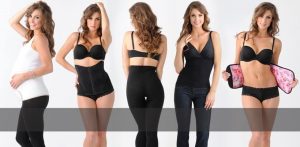
A postpartum girdle, also called a post-pregnancy girdle, is a close-fitting garment worn around the torso after the birth of a child. Many new mothers use one for gentle compression and support during recovery as they work toward feeling like themselves again.
Postpartum belly wraps serve a similar purpose. They are designed to support the midsection and may help you feel more comfortable in your body after pregnancy. To get the most from a postpartum girdle or postpartum belly wraps, they should sit snugly around the midsection, since this compression is what provides support and a temporarily smoother silhouette. Any slimming effect while the garment is worn is temporary; lasting changes to your figure depend on time, healthy eating, and exercise. A girdle may also help some women feel more supported and reduce the sensation of swelling in the early weeks.
Important: Recovery after childbirth is highly individual. Before using any girdle, belt, or wrap, talk with your doctor or a qualified health professional, especially if you had a C-section, stitches, or any complications.
Why Do Women Wear a Postpartum Girdle?
1. Body Shape and Support
Image source: goqii.com
Many women feel self-conscious about their bodies after giving birth, and society can add a lot of pressure. Some feel anxious looking in the mirror and start searching for ways to get back to their pre-pregnancy shape, sometimes even during pregnancy.
A postpartum girdle is one tool women turn to during recovery. Some begin using one soon after childbirth or surgery in the hope of feeling more supported sooner. It is worth remembering that there is no rush, and the right timing is different for everyone. Women who had a vaginal delivery often prefer a simple pull-up girdle with no closure and a flap in the groin area, which many find convenient.
2. What Doctors Say
After birth the uterus is empty, and it typically takes around six weeks for the body and internal organs to return toward their pre-pregnancy position. A postpartum girdle does not change this natural process, but the gentle compression may help some women feel more supported and reduce the sensation of swelling during that time. It does not eliminate body fat.
Every birth and every body is different. Some women have a natural labour, while others have a C-section with stitches. Skin elasticity also varies from person to person. For these reasons it is important to be examined by your doctor before using a girdle. Some doctors suggest wearing one and advise on the right type and timing, while others discourage it, so personalised medical advice matters.
3. Possible Benefits
Some women and clinicians report that a well-fitted postpartum girdle may help with the following. Individual results vary, and these are not guaranteed:
- May support diastasis recti (abdominal separation) recovery
- Provides tummy support
- Provides back support
- May help you keep your spine straight
- May relieve lower-back discomfort
- Offers support that can ease back and leg strain while breastfeeding
- Designs that allow easy bathroom access
When Can You Start Using One After Having a Baby?
Image source: bellefit.com
- When to start is a personal choice and depends on the health of the mother. Your doctor is the best person to advise you.
- Some women begin wearing a postpartum girdle in the days after delivery for added support.
- Others prefer to rest first and start after several days or weeks, prioritising their own recovery and the baby’s needs.
- The pregnancy hormone relaxin remains in the body for a while after birth, which is one reason gentle support can feel helpful in the early weeks.
- The best guidance comes from your doctor, who can examine your condition and recommend the most suitable type of girdle for your body and the kind of delivery you had.
How Long Should You Wear a Girdle After Having a Baby?
- Your shape changes after birth because the uterus is empty, which can make you look more swollen for a time. This usually settles on its own.
- Every woman is different, so the length of time that feels comfortable and useful will vary with body structure and skin flexibility.
- Some women recover firmness quickly, while for others skin tone never fully returns. Both are normal.
- Avoid wearing a girdle for long, continuous stretches. Many sources suggest limiting use to a few weeks and giving your body breaks. Ask your doctor what is right for you, and stop if you feel pain or discomfort.
Normal Delivery vs. C-Section: Does the Girdle Differ?
- The right girdle can differ for women who had a C-section compared with those who had a vaginal delivery. Comfort and preference also matter: some prefer a pull-up style, while others choose nylon or cotton fabrics.
- More women are using postpartum girdles, including different styles designed for recovery after a C-section.
- Some examples often mentioned by users and clinicians include the Bellefit postpartum girdle, designed for women who delivered by C-section and frequently recommended for abdominal support; the Gabrialla abdominal elastic binder, which some doctors suggest for abdominal and lower-back support; and the Squeem C-section belly binder, which some women find helpful for back comfort after a C-section.
- Pull-up girdles with no closure are popular among women who had a vaginal delivery, as they are simple to put on.
Pros and Cons of a Postpartum Girdle
Image source: yoyopostpartumgirdle.com
Pros
- It can provide gentle support and a temporarily smoother shape under clothes, which helps some women feel more confident while they recover.
- Feeling supported in your midsection may make it easier to move around and wear your usual clothes again.
- Some women who experience back or pelvic-floor discomfort report that a girdle helps them feel better supported, though it is not a treatment for pain.
- A girdle does not make you skinnier or weaker on its own; at most it offers support while your own muscles regain strength over time, mainly through recovery, diet, and gentle exercise.
Cons
- If worn too tightly, it can feel uncomfortable, restrict breathing, and has been linked to problems such as pelvic organ prolapse.
- It may contribute to indigestion and increase the risk of constipation.
- Prolonged compression can carry a risk of blood clots.
- A tight girdle compresses internal organs and intestines, which may affect normal digestion and movement.
- Worn for long periods, it may actually weaken your core muscles rather than strengthen them, because your body relies on the garment instead of its own muscles.
- Like other waist trainers, it can contribute to acid reflux.
- Wearing tight compression for many weeks at a time may strain your body and slow your return to normal activity.
If you notice pain, numbness, breathing difficulty, or any of these problems, stop wearing the girdle and speak with your doctor.
Types of Postpartum Girdle
1. Zipper-Style Girdle
Zipper-style girdles use zips along the legs, the abdominal area, or the back. They are designed to be discreet under clothing and are generally easy to put on and take off. They can be made with two to six bands, and many can be customised. Their design often makes them a comfortable choice, and some are recommended for back support.
2. Corset-Style Girdle
These belts provide a snug fit at the waist, usually with a comfortable front-open design and one or more closures. They suit women who want firm support during recovery.
3. Wrap-Style Girdle
Wrap-style girdles and belly wraps work in a similar way: they wrap around the midsection to provide support and a temporarily smoother shape. When choosing a wrap, consider fit, fabric, and comfort.
4. Pull-Up Girdle
These have a distinctive design with no closures or zippers, usually in three layers. You pull them up to fit into them. They are popular with women recovering from vaginal childbirth, and their main aim is to support posture and provide comfort.
The Postpartum Girdle Buying Checklist
Image source: ebay.com
Choosing the right girdle is one of the most common questions women have after delivery. To get the most benefit, it helps to understand your own body and which type of girdle suits it. Look for these qualities:
1. Comfort
A postpartum girdle may cause minor discomfort, but it should never cause pain. An uncomfortable one is unlikely to be worn regularly. The best choice fits well, with the right size, appropriate support, and no sliding or rolling.
2. Easy to Wear
The girdle should fit your body comfortably. Choose one with crotch access to make using the toilet easier, and keep it clean and hygienic. It should never be so tight that it harms your health.
3. Effectiveness
An effective girdle gives you enough support and helps correct your posture without making you feel as though a wound might open. Remember that a girdle supports recovery rather than replacing healthy habits.
4. Durability
Since a girdle is worn over a period of time, quality matters. A well-made girdle is also safer for your body.
5. Invisibility
A girdle that stays hidden under clothing helps you keep a natural look, which is a bonus for everyday wear.
The Bottom Line
A postpartum girdle can offer gentle support and a temporary smoothing effect that helps some women feel more comfortable and confident while recovering from childbirth. It is not a fat-loss device, and any change in shape while wearing it is temporary. Lasting recovery of your figure comes with time, a healthy diet, and appropriate exercise. Because every body and every delivery is different, talk with your doctor or a qualified health professional before choosing and using one.