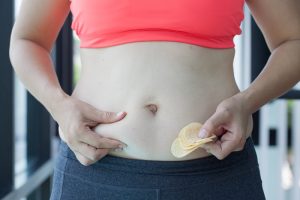
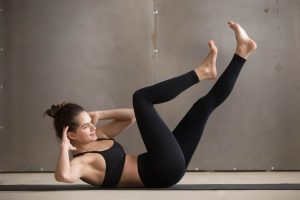
Do you understand the relationship between corsets, weight loss, and belly fat? If you have ever been on a journey to lose weight and tone your body, you probably already know that slimming down overall and building some muscle is achievable with consistency. For many people, the harder part is losing stubborn belly fat and getting closer to the figure they want. That is where a lot of weight loss journeys stall.
To address this, many products and belts are marketed as aids for trimming the midsection, and one popular option is wearing a corset. It is worth understanding what a corset can and cannot realistically do before you rely on one.
Source: https://www.aliexpress.com
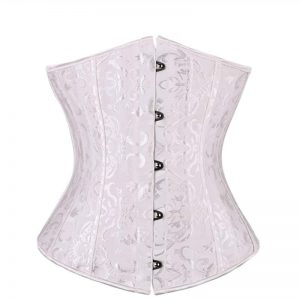
Today, using a corset to look slimmer or achieve a flatter-looking belly has become something of a trend. The practice dates back to the 19th century, and it has returned to popularity as people chase an hourglass-like figure. Corsets are tight garments, often stitched a size smaller than the wearer’s natural waist. They compress the midsection so the waist appears more contoured while the garment is worn.
Some people also wear a corset or trainer during workouts. Because the garment covers and warms the abdomen, it can make you sweat more in that area. Keep in mind that this mainly affects water weight, which returns once you rehydrate, rather than actual fat loss.
Does Wearing a Corset Help You Get Rid of Belly Fat?
A corset’s most noticeable effect is on posture. Because it is tight and made from firm material, it discourages slouching and encourages you to keep your back and spine upright while you wear it.
A corset may also influence your weight loss journey in a few limited, temporary ways:
- Posture support: it helps you sit and stand taller while it is on.
- Water weight: neoprene-style materials warm the body and increase sweating, which can reduce water weight temporarily. This is not the same as losing fat.
- Appetite: by squeezing the stomach, a corset may make it harder to eat large portions, which some people find helps them eat less.
Even with these effects, a corset does not burn belly fat. Fat is reduced only when the energy you spend exceeds the energy you take in. When the body runs a calorie deficit, it draws on triglycerides stored in your fat cells for energy, and over time this leads to fat loss.
In other words, wearing a corset on its own will not remove belly fat. Lasting results come from a sensible, calorie-aware diet and a suitable workout routine such as aerobics or other regular exercise. Even corset manufacturers usually recommend pairing the garment with exercise, because the real change comes from your habits. Wearing a corset while sitting or lying down all day will not help you lose belly fat.
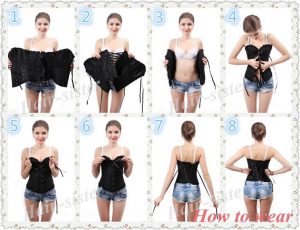
What You Should Know About Corsets for Weight Loss
Source: http://www.ebay.com/
The consensus among experts is that a corset does not by itself cause belly fat loss. It can train the waist area to look slimmer and may encourage smaller portions, but these effects last only while the corset is on. Once you take it off, your body returns to its natural shape.
1. Possible Risks of Wearing a Corset
Many people find a corset helpful for feeling more contoured and for curbing their appetite. Even so, it is important to be aware of the downsides of wearing overly tight garments.
Because a corset compresses the torso, it can also press on the lungs and breathing muscles, which may make it harder to breathe deeply and can limit oxygen intake. Tight, prolonged wear may also contribute to rib discomfort or pain.
A corset can be especially problematic if you have a digestive condition such as irritable bowel syndrome, because added pressure on the abdomen may worsen symptoms. If you have any existing health concern, talk to a qualified healthcare professional before you begin waist training with a corset.
2. Discipline, Health, and Corsets
Real changes in body shape and health come from consistent effort over time. A reasonable way to view a corset is as a possible aid, not a solution. It will not directly deliver your ideal weight or body shape on its own.
The best approach is to combine an appropriate corset with a healthy diet and reasonable exercise. Some of these garments also work like medical compression bands that support the back or other areas. They may temporarily help with posture and are sometimes used for recovery after surgery, as well as for postpartum support, including after a cesarean section. Use any garment for medical purposes only on the advice of your doctor.
3. Lose Belly Fat Sensibly
Some people assume that losing weight is as simple as putting on a corset. In reality, there is no product that removes belly fat instantly and safely. Rather than relying on quick-fix items, it is better to lose fat through proven methods.
A sensible approach not only keeps fat off for longer but also brings broader benefits to your health. A good first step is to cut back on calorie-dense foods such as added sugars, saturated fats, full-fat dairy, and refined grains. Replace them with options like whole grains, fish, and minimally processed whole foods. Thoughtful food choices can support steady, healthy fat loss.
4. Belly Fat Responds to Physical Activity
One of the most effective things you can do to reduce belly fat is to move more. People who stay physically active are generally less likely to struggle with excess body fat. So, instead of relying on a tight corset, look for ways to increase daily movement, for example:
- Walking for short trips instead of driving.
- Taking the stairs instead of the elevator.
- Building short bursts of activity into your everyday routine.
With a little planning, you can also set aside time for regular workouts. Many smartphone apps let you estimate your calorie intake and expenditure, which makes it easier to build a sensible diet and exercise plan. Cardio, brisk walking, aerobics, and other functional exercises help reduce excess fat while also building strength and overall fitness.
If getting started feels hard, ease in gradually: begin with easier movements and short sessions of around 10 to 15 minutes, then build up over time as your fitness improves.
Best Corsets for Weight Loss
1. Waist Trainer Corset for Weight Loss
Source: https://www.amazon.co.uk
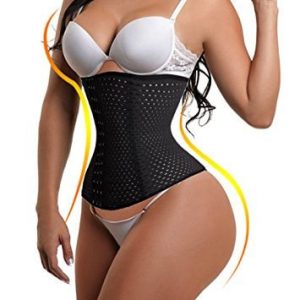
Top advantages: This waist trainer corset is designed to give a more hourglass-like silhouette by making the waist look slimmer and flatter while worn. It is made from a soft microfiber fabric that adjusts to the body fairly easily. Unlike some stiffer body shapers, its softer material is intended to let you breathe a little more comfortably.
Practical performance: It comes in a range of sizes to fit different body types. The underbust shaper uses a highly elastic material with decorative lace at the front. It also features stretchable double hook-and-eye closures that fit across the curves of the body and are meant to feel comfortable against the skin.
Pros and cons: The soft material is comfortable while helping the waist look slimmer. One drawback is that it can push some fat to the sides; this is usually hidden under most clothing but may be noticeable under thin fabrics.
2. YIANNA Women’s Underbust Latex Sport Girdle
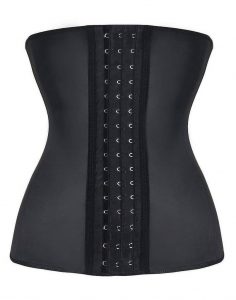
Top advantages: The YIANNA Women’s Underbust Latex Sport Girdle uses steel bones with nine spirals that support the back and help you maintain an upright posture. The boning is flexible and soft yet sturdy.
Practical performance: It comes in several sizes, so order carefully, since a garment that is too loose or too tight will not be comfortable or effective. Three hook-and-eye closures let you adjust the fit to your needs. It can be worn during activities such as yoga and is also marketed for postpartum support.
Pros and cons: Unlike many body shapers, it is built from three layers of different materials, with a cotton inner layer for comfort, so it can noticeably reduce how wide the waist looks while worn. It is less suitable for larger body types, as it tends to push fat to the sides, which may show under thin clothing.
Source: https://www.pinterest.com
3. FIRM ABS Women’s Latex Sport Girdle
Top advantages: The FIRM ABS latex sport girdle is also built from three material layers. The innermost layer is soft, comfortable cotton with a little spandex, the middle layer is natural latex, and the outer layer is a blend of nylon, Lycra, and spandex. This layering is meant to keep it comfortable while providing firm support.
Practical performance: It is designed to support weight loss efforts by complementing a controlled diet and your workouts, rather than replacing them. It supports the back and helps you maintain an upright posture, and three hook-and-eye closures let you adjust the fit to your body.
Pros and cons: The material is durable and the garment can give reliable shaping results when fitted correctly. The main drawback is sizing, which can run small and may not fit larger body types well.
Conclusion
As fashion trends change, new products are constantly marketed with bold promises, and it is easy to follow them without weighing the trade-offs. The corset is one such product, popular for looking slimmer and as a perceived weight loss aid.
Before wearing a corset for long stretches, take the time to understand both its benefits and its limitations. Prolonged or overly tight wear can lead to real health problems, and a corset alone will not remove belly fat. Lasting results come from changing your overall lifestyle, including your diet and activity levels, with the corset playing only a supporting role at most.
Finally, if you have any underlying health condition or you are unsure whether waist training is right for you, consult a qualified healthcare professional before you start.