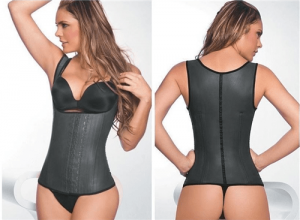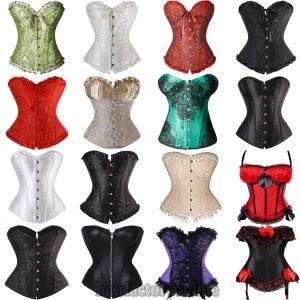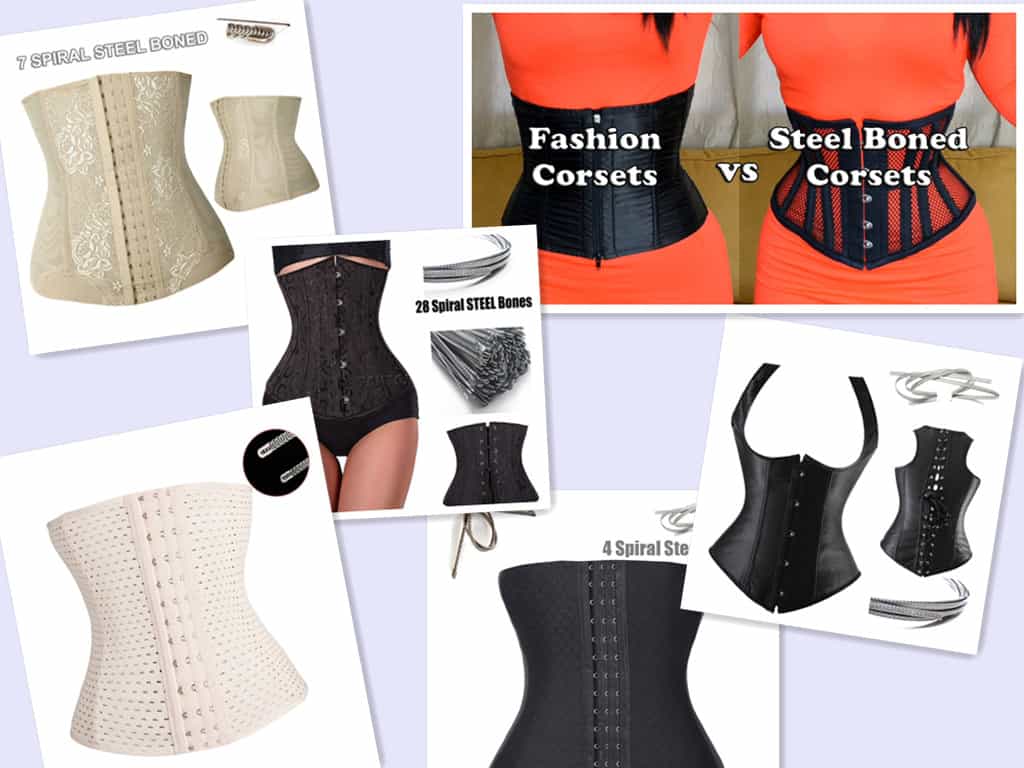
Have you discovered the appeal of steel-boned trainers? A trainer built on a high-quality steel frame holds its shape well and can help create a smoother, more contoured silhouette while it is worn. Steel-boned options are a popular choice for longer-term waist training, and because they come in many designs, plenty of people enjoy wearing them as a fashion piece too. They are heavier than plastic-boned versions, but many wearers feel the extra structure is worth it. Rather than rushing to decide between a plastic-boned trainer and a steel-boned one, the best first step is to take some time to learn how to choose a waist trainer.
One thing to keep in mind from the start: any slimming or cinching effect you notice while a trainer is on is temporary and fades once you take it off. Lasting changes in body shape come from a balanced diet and regular exercise, not from the garment alone. If you have any health concerns or a medical condition, talk to a qualified health professional before starting waist training.
Types of Steel-Boned Trainers
Steel-boned trainers have grown in popularity thanks to their structured shaping and attractive designs. When you shop, you will generally find two main styles: over-bust and under-bust trainers.
- Over-bust trainers: As the name suggests, these cover the entire breast area and shape the whole midsection, so you may not need a separate bra for support. Some come with attached straps and some do not, depending on what suits you.
- Under-bust trainers: These shape the abdomen and stop just below the bust. They pair well with plunging necklines, letting you stay curvaceous while showing more cleavage. Because they sit lower, they are more flexible and versatile with different outfits, and they are usually sold without straps.
Advantages of Steel-Boned Trainers
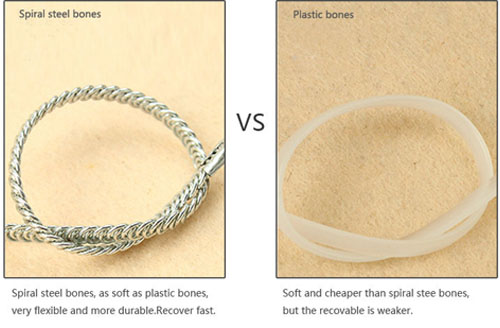
Corsets and trainers have been around for centuries, and their design has evolved alongside changing needs. In the 18th century, boning was often made from whalebone; today, manufacturers typically use steel for its durability.
Plastic-boned trainers are widely available, inexpensive, and easy to use, but their build quality varies. Lower-end plastic versions may lose their shape after only a few months of wear. A well-made steel-boned trainer tends to hold up far better over time, keeping its structure for much longer.
- Durability: Steel boning generally lasts longer and resists losing its shape.
- Support: Steel provides firmer, more consistent shaping throughout a waist-training routine.
- Value over time: If you plan to train regularly for the long term, investing in a steel-boned trainer often pays off.
Types of Steel
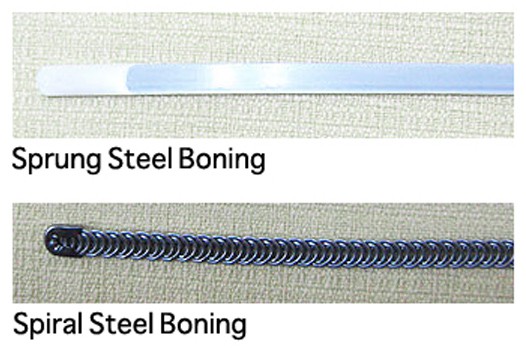
Steel trainers are usually made with flat steel, spiral steel, or a combination of the two. If you order a customized trainer, you can often choose the boning that suits you best.
- Flat steel is used where the goal is maximum support and stability.
- Spiral steel is more flexible, making the trainer more comfortable and versatile to move in.
- A blend of both aims to balance comfort with durability.
Steel Parts in a Trainer
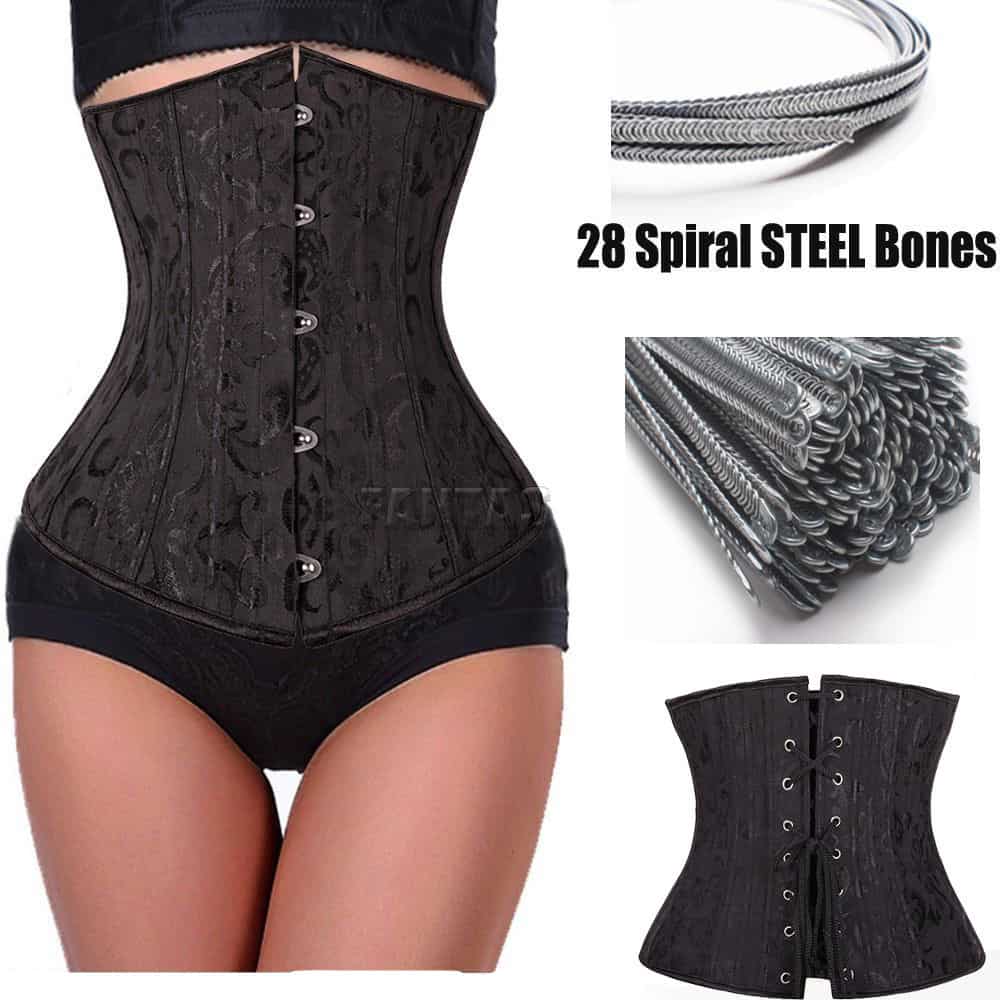
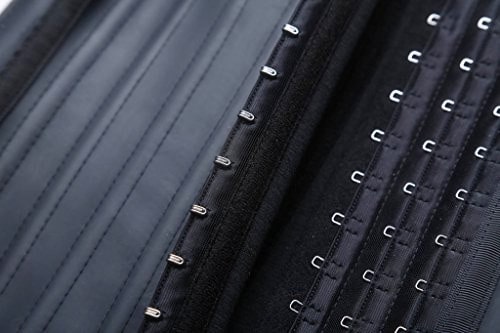
An authentic steel trainer uses a flat steel busk for fastening. A steel busk holds the trainer securely in place and stays put, unlike lighter hook-and-eye or simple bra-style fasteners, which tend to wear out sooner. When buying or commissioning a trainer, it is worth confirming the steel parts are well constructed; they also look more polished.
Check the grommets as well. Steel grommets are more secure and stand up to the lacing cord being pulled through them as you tighten. Plastic grommets are far more likely to break under the same strain.
How to Care for Steel Trainers

It can be tempting to toss a trainer into the closet after a long day, but a little care goes a long way toward making it last. A few simple habits help:
- Hang it to air out. When you take the trainer off, hang it with the inner lining facing outward. This distributes pressure evenly across the steel bones and laces while letting it breathe.
- Never use the washing machine. Machine washing can ruin a steel trainer.
- Spot clean gently. Use a mild detergent for spot cleaning, and consider dry cleaning if you wear the trainer often.
How to Choose the Right Steel Trainer

There is a lot to discover once you start exploring waist training and learning how to choose the best trainers. The most important starting point is taking accurate measurements of your own body. From there, you can find an authentic steel trainer that suits you in size, shape, and design. Whenever possible, look at the available options and ask experienced sellers or makers for advice before settling on one.
Ready to shop? A few practical pointers:
- Aim for about 3 inches smaller than your natural waist. For noticeable cinching, look for a trainer at least roughly 3 inches smaller than your measured waist.
- Ease in gradually. Wear the trainer for comfortable periods and tighten it slowly over the weeks rather than all at once. Listen to your body, and stop if anything feels painful.
- Match the length to your torso. A trainer that is too short can leave a visible bulge, while a longer trainer that fits your frame gives a smoother, more flattering line. Choose one that fits snugly without pinching.
- Be patient. Lasting results come from a steady routine combined with healthy diet and exercise, not from the garment by itself.
If you would like some motivation, you can browse before-and-after results from waist-trainer wearers for an idea of what a consistent routine can look like over time.
Steel or Plastic: Matching the Trainer to Your Goal
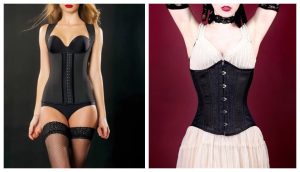
The bones are what give any corset or trainer its shaping power; these rigid strips provide structure and gently guide the body toward a desired silhouette. Since both plastic-boned and steel-boned versions exist, the right pick depends on your goal, your budget, and your style. Plastic-boned corsets have several boning channels, but steel-boned versions clearly offer more support, and that extra structure is the main practical difference between the two.
Start by pinning down why you want a trainer. Common reasons include:
- Creating a smoother, more shaped look under clothing (a temporary effect while worn).
- Encouraging better posture and core awareness.
- Getting used to a fitted corset for dancing or costume wear.
- Feeling more confident and curvaceous for your own enjoyment.
Once you know your purpose, the steel-versus-plastic decision becomes much clearer:
- Temporary, party, or occasional wear, or a tight budget: a good-quality plastic-boned corset is usually enough. If you go this route, choose one with better boning and a comfortable fabric lining so it sits well against your body, and avoid the cheapest options, which rarely deliver a structured, polished look.
- Regular, longer-term, or more rigid waist training: a steel-boned corset is generally more effective and durable, and many wearers find it well worth the higher price.
Steel-boned corsets are also a favourite for costuming because they hold a consistent shape. If you want a precise fit, some designers will even make one custom-tailored to your body, though that adds to the cost. For a deeper comparison, read It’s All in the Bones: Plastic and Steel Corsets.
Final Thoughts
To recap the difference between plastic and steel-boned options:
- Plastic-boned trainers are a fine choice for instant, short-term shaping on an occasional basis or a smaller budget.
- Steel-boned trainers are the stronger option for shaping your waist over the long term, thanks to their durability and consistent support.
Whichever you choose, go at a comfortable pace, pair waist training with a healthy lifestyle, and remember that the most flattering results build up gradually. If you have any health concerns, check in with a qualified health professional before you begin.