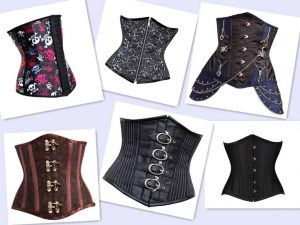
For centuries, women, especially celebrities, have used tight-laced corsets to shape their bodies and waistlines. For a dramatic temporary silhouette, many still turn to waist training corsets. Waist trainer corsets are worn to create a striking hourglass shape. You can wear one for special occasions, or even at the office or while shopping.
A waist training corset is designed to fit closely against the body and give a firm hold across the midsection and back. While worn, it can make the waist look several inches smaller and give your outfit a more elegant line. It is sometimes marketed as an “extra strength body shaper.” It is important to understand, though, that this slimming effect is temporary and cosmetic, not the same as actual fat loss.
If you decide to try one, avoid poorly fitting corsets, choose a style suited to your body type, and never lace it too tightly. Even the most aggressive waist trainers work gradually, and forcing the laces can cause discomfort or harm rather than faster results. Used correctly and in moderation, a corset can give a flattering shape, but it is not a shortcut to permanent body change.
1. Can a Waist Training Corset Shrink Your Natural Waistline?
Can a waist training corset really help you get rid of excess fat around your waist? Unfortunately, no. If the scale reads lower after wearing one, that is mostly water weight lost through sweating, not fat. In other words, the corset gives you a temporary hourglass appearance without removing any fat from your waist. Once you rehydrate, your weight returns to normal.
2. Is There Any Medical Evidence for Waist Training Corsets?
There is little clear medical evidence that waist training corsets deliver lasting body-shaping benefits. Spinal surgeon Dr. Paul Jeffords has noted that just because celebrities promote training corsets does not mean they are safe for everyone.
Some medical commentary suggests that prolonged or aggressive use could carry real risks, including effects on the spine, bones, and nerves, and that certain types of damage may be difficult to reverse. There are also reports that long-term use may shift the position of internal organs, and that tight lacing can make heartburn and indigestion worse for some people.
Many doctors emphasize that if you want a genuinely smaller waistline, a balanced diet and regular exercise are what actually make the difference. Commonly reported side effects of corset use include:
- Shortness of breath
- Nausea
- Bruising and skin irritation
Because a waist trainer increases sweating, your body will mainly lose water weight rather than fat. A tightly fitted corset can also make it uncomfortable to eat a full meal, and lacing it too tightly may cause pain and discomfort. If you are allergic to latex, take extra care, since many training corsets are made with latex. Medical sources generally recommend wearing these corsets only for short periods.
[Read more about Waist Training]
3. What Are the Possible Dangers of Wearing a Waist Training Corset?
Corsets have been worn for centuries and have long been a subject of medical debate. The points below summarize concerns that have been raised. Source: askfitnesscoach.com
Effects on the ribs and lungs
Tight lacing can narrow the lower ribs and restrict the lungs, which may cause some difficulty breathing. X-ray images of corset wearers have been used to illustrate how the rib cage can be reshaped over time.
Effects on the organs
Some studies suggest that wearing a corset can shift the position of internal organs, and that prolonged use may put excessive pressure on the back and midsection. Tight lacing can also limit blood and oxygen flow and make breathing harder. In some cases, people report poor digestion or numbness, which is why many doctors advise against heavy, continuous use.
Risk of dehydration
Because a waist trainer heats the body and causes heavy sweating, it reduces your water weight. This can raise the risk of dehydration, especially if you are already mildly dehydrated. Warning signs may include faintness, shallow breathing, and headaches.
Weakening of the abdominal muscles
Wearing a corset for long periods may also let your core do less work. When muscles stay inactive, they can weaken over time, and the same can happen to the muscles in your back.
In addition, the wrong material or an improper way of wearing a corset can lead to skin allergies, and in some cases irritation or inflammation. It may also cause pain, breathing difficulty, acid reflux, or bone bruising.
Even if a corset never causes you serious harm, it is wise to rely on other, proven methods, such as diet and exercise, for effective and lasting weight loss.
4. Corset Concerns Today
Tight lacing can still raise long-term health concerns, including reduced lung capacity and skin irritation. That said, many fears once blamed on corsets have been re-examined over the years. The current view is that corsets do not cause disease on their own, but continuous and excessive use can be harmful. Doctors and researchers generally agree that a corset can be worn in moderation, but should not be worn for extended periods, as this may stress your organs and muscles.
5. Are There Any Benefits?
Corsets have remained popular for a very long time, which suggests they do offer some appeal. The main potential benefits of a waist training corset include:
- An instant, temporary hourglass shape the moment you put it on.
- Improved body posture while worn, which can help you carry yourself with more confidence.
- A snug fit that may encourage smaller portions at meals, which could support healthier eating as part of an overall plan.
- A gentle reminder to engage your core and maintain good posture during daily activities.
- A confidence boost that some people find motivating alongside a healthy lifestyle.
A quick tip: If you want the most supportive fit, look for corsets made with flat and spiral steel bones and a flat steel busk.
Conclusion
A waist training corset can help temporarily reshape your waistline and accentuate your curves while you wear it, and there may be a modest, short-lived effect on the abdominal area. It is not, however, a method for permanent fat loss. Always make sure the corset does not interfere with your breathing and does not cause pain. Lingering pain is a warning sign that you should stop.
Set sensible time limits and stick to them, and choose steel boning over plastic, since steel is more durable and tends to hold its shape better. Above all, treat a corset as a styling tool rather than a health solution, and pair it with a balanced diet and regular exercise for real results.
This article is for general information only and is not medical advice. Before starting waist training, or if you have any health concerns, please consult a qualified healthcare professional.