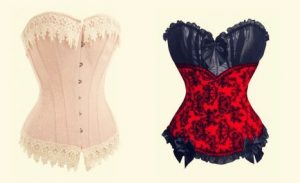
Watch: Plastic vs. steel boned corsets explained (video)
Corsets have been part of women’s wardrobes for a very long time. They are often worn to help create the hourglass figure many people love. Over the years we have seen corsets made in many different ways, but one of the biggest choices comes down to the boning inside them: some are built with steel boning and others with plastic boning.
The two are not the same, and the difference is worth understanding before you buy. The main distinction is quality. Steel boning is generally considered the stronger, more durable option. Steel bones hold their shape well, offer firm structure, and tend to last for years. Many wearers also find a well-fitted steel boned corset comfortable to wear and effective at smoothing and shaping the waistline while it is on.
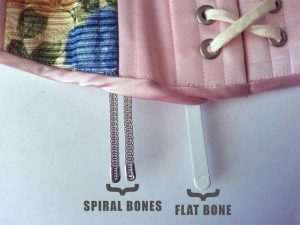
Image source: https://timeless-trends.com
Plastic boned corsets are also popular today, but they control body shape quite differently. A plastic boned corset can give a temporary smoothing effect at the waistline while worn, though it is generally less structured than a steel boned corset. Plastic bones are more flexible and easy to put on, which some people like for a quick shaping look. The trade-offs: plastic can warm up and feel uncomfortable after a few hours of wear, and the bone ends can curl over time, which spoils the line of the garment. By contrast, a quality steel boned corset tends to look neater on the body, and its upper fabric panels are less likely to wrinkle or tear the way they can on cheaper plastic styles.
Major Differences Between Steel Boning and Plastic Boning
1. Quality
Plastic boned corsets
Plastic boned corsets are usually made of satin-type fabric with regular stitching. Over time, the plastic bones tend to lose their shape and bend, so these corsets generally are not high quality. They are not long lasting and offer relatively little support. Cheaper corsets typically use plastic bones.
Steel boned corsets
Steel boned corsets are usually much higher quality, which is why many people prefer them. They are built from several layers of fabric with reinforced stitching, so they hold up well even with firm use. Because of this construction, a good steel boned corset can last for years. Many also come with modesty panels (roughly 6 to 8 inches in length), which are handy for everyday wearers. A quick tip: you can often check whether a corset is steel boned by seeing if a magnet is attracted to the bones.
2. Durability
Plastic boned corsets
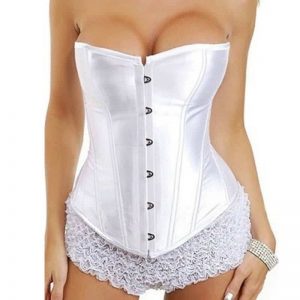
Image source: https://login.aliexpress.com
Plastic boned corsets tend to be weak and are not built for long-term use. Over time the bones can loosen and the ends can bend, and if you lace them too tightly they may tear. For this reason they are not well suited to serious waist shaping. Where they do work is as inexpensive pieces for costumes, special events, or one-time use. Some wearers also notice weak points that can leave marks on the skin, or find that the corset does not stay in place when they stand up, which can feel uncomfortable. One genuine plus is that plastic bones cannot rust.
Steel boned corsets
Steel boned corsets are far more durable. They shape and support the body using spiral and flat (white) steel boning, and you can lace them firmly without the bones bending or breaking. Many wearers find them more stable too: a well-fitted steel corset tends to stay put whether you sit or stand, so the shape holds while you wear it.
3. Comfort
Plastic boned corsets
Plastic boned corsets are generally less comfortable than steel boned ones. The plastic can warm up after a couple of hours of wear, which many people find unpleasant. The bones can also bend and dig into the skin, which may be painful and, over time, contribute to discomfort such as a sore back. They are fine for the occasional special event but are usually not comfortable for long wear. Fit is another issue: plastic corsets often come only in three sizes (small, medium and large) rather than to your exact measurements.
Steel boned corsets
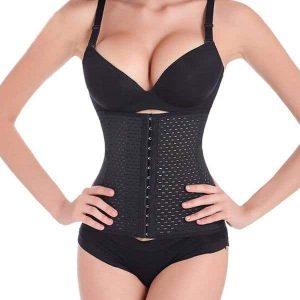
Image source: https://www.freshiana.com
Steel boned corsets are usually easy and comfortable to wear. They tend to stay in place rather than shifting when you sit or stand, and you can tighten or loosen the laces as needed without worrying about damaging the bones. They are typically offered in a wide size range (often around 18 to 42), so you can match your own measurements much more closely.
For the best comfort, choose the right size, lace it up properly so it is not overly tight at the hips, and keep the modesty panel flat while lacing. Paying attention to these details makes a big difference.
It is also a good idea to wear a liner under your corset. A liner keeps the corset cleaner and protects it from body sweat and oils, which can shorten its life, so it helps the corset last longer.
4. Shaping
Plastic boned corsets
If you want a corset that gives firm, structured shaping, plastic boned corsets are generally not the best choice. They offer only limited, temporary smoothing.
That said, if you simply want a quick slimming look for a dinner or party, an inexpensive plastic boned corset can do the job for one evening. It will not give the structured, polished result that a steel corset can, but for a short-term look it can be a budget-friendly option.
Steel boned corsets
Steel boned corsets are much better at creating a smooth, slim silhouette while worn. They are also the type commonly used for waist training. It is important to be realistic here: any slimming effect you see while the corset is on is temporary. A corset can help compress and shape the waist in the moment, but lasting changes to your body come from a healthy diet and regular exercise, not from the corset alone. Steel corsets cost more than plastic ones, but many wearers feel the quality is worth it.
There are two main types of steel boning: flat steel bones and spiral steel bones. Flat bones are made from a flat steel strip, while spiral bones are made from two steel wires twisted together. Flat bones give a smooth silhouette with excellent support; spiral bones allow more freedom of movement. Many corsets combine both, using spiral bones toward the sides for mobility and flat bones in the center to keep the front of the waist smooth.
5. Flexibility
Plastic boned corsets
Plastic bones are quite flexible, which is not ideal for shaping. Because they flex so easily, they are not well suited for use as a structured waist-shaping corset.
Steel boned corsets
Steel boned corsets are firmer and more stable. They have laces at the back so you can tighten or loosen them as you like, while the rigid boning keeps the garment stable on the body. Between the two styles, flat steel bones are more flexible than spiral, though both are quite stable. Flat bones give shape and steadiness, while spiral bones allow a more flexible, comfortable fit around the waistline.
Make Up Your Mind
Putting it all together: if you want firm, lasting shaping and plan to wear your corset regularly, a steel boned corset is usually the better choice. Steel boned corsets tend to be stronger, more durable, higher quality, and more comfortable for longer wear. They cost more, but many people consider them a worthwhile long-term investment.
Steel bones can help with waist cinching, and some regular wearers report a noticeably smaller waist measurement while laced in. Keep in mind that this is largely a temporary, while-worn effect; any longer-term change depends on consistent healthy habits, including diet and exercise, rather than the corset by itself.
Plastic boned corsets, on the other hand, are best for short-term, occasional use, such as a dinner or party, where an inexpensive corset and a quick slim look are all you need.
In a nutshell, a steel boned corset is more durable and comfortable for everyday wear because it gives your body more support and structure, while a plastic boned corset can be a fine, affordable pick for special occasions.
Waist training and tight-laced corsetry are not right for everyone. If you have any health concerns, or experience pain, breathing difficulty, or discomfort, stop and speak with a qualified health professional before continuing.