Waist trainers are popular with women who want to shape their silhouette, and corsets and bustiers are just as well known. Many people assume a corset and a bustier are the same garment, but they are not. They are built differently and worn for different reasons. So how do you tell them apart?
This guide breaks down what each one is, the five main differences between them, and how to choose the right fit for you.
The Basics: Corsets and Bustiers
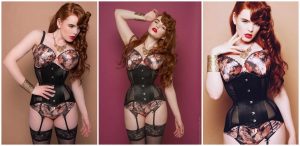
What Is a Corset?
A corset is a structured garment designed to support the waistline, hips, and bust. While it is worn, it can pull the waist in by a few inches, and some people use it as part of a longer waist-training routine. Any slimming effect is temporary and lasts only while the corset is on; lasting changes to your figure depend mainly on diet and exercise, not on the garment itself.
There are two main types of corset:
- Underbust – cupless, ending below the bust, and often called a waist cincher.
- Overbust – cut higher to cover the breasts, available with cups or in a flat style.
A corset is usually a tight-fitting, often strapless and sturdy top. It closes with hook-and-eye fastenings and/or lacing at the back, front, or both, which makes it easier to put on and adjust.
Boning is almost always used to give a corset its structure. The best-quality corsets use steel boning, which flexes with the body for durability and support. More decorative corsets may use plastic or nylon boning (often called “light” boning). These are usually unlined and are not suitable for heavy wear or waist training.
Because they need a certain quality of construction to work properly, well-made corsets tend to cost more. They sit lower toward the hip and are designed to cinch the midsection.
What Is a Bustier?
Bustiers are similar to corsets in that they are usually snug and sleeveless, but they may also have shoulder straps. They tend to be more decorative, using fabrics such as satin, silk, and lace, sometimes with light plastic or nylon boning along the vertical seams for a little extra shaping. They are not built to hold you in or reduce your waistline.
Women often wear a bustier as lingerie or as eveningwear. It has some stretch and is roughly as easy to put on as a bra. You can wear it as under clothing, as outerwear, or on its own – just fasten it and go. The main difference between a clothing bustier and a lingerie bustier is the fabric: lingerie styles are sheer or lacy and meant to be worn underneath your outfit.
A bustier sits higher than a corset, ending at the waist rather than the hip, and is designed to highlight and lift the bust. Bustiers are generally lighter than corsets.
5 Differences Between a Corset and a Bustier
1. Different in Style
Corsets and bustiers have quite distinct styles and are made from different fabrics and materials. Here are the main points.
Image source: economictimes.indiatimes.com
Corset Styles
Corsets are more durable than bustiers. They help shape the body by holding everything in, making the abdomen appear smaller while emphasizing the bust and hips. Some lace up at the front, back, or both, while others use hook-and-eye closures that are quicker to take off. When you buy one, you will need to decide between an overbust style and the underbust style.
Overbust corsets can create an unusual line under clothing, because the breasts are shaped differently than they would be in a bra. Underbust corsets tend to be more versatile, since they can be worn under or over clothing. They stop below the breasts and leave them uncovered, while overbust styles cover and support the chest as well.
Neckline shapes vary, too:
- Straight-cut necklines give a more “balconette” look and suit smaller-to-medium busts.
- Sweetheart necklines dip lower in the center, lift and support the bust, and help prevent “over-spill,” which makes them a good choice for larger busts.
[Read more about the Overbust Corset]
Bustier Styles
Most bustiers are sleeveless, though some have shoulder straps, and they are usually secured with a hook-and-eye closure. A few are strapless, while others have straps that can be removed. A bustier offers a secure fit and can be worn as both underwear and nightwear. It is not made to hold you in or reduce your waist size, although some styles offer light holding and a little extra shape. Many bustiers also use lacing to tighten and secure them, set at the front or the back. The range of fabrics, colors, and styles is almost endless.
2. Different in Flexibility
Corsets and bustiers differ noticeably in how rigid they are.
Corsets – Rigid
Corsets are mostly built with steel bones, which makes them quite rigid. They are used to draw the natural waist in and, for some wearers, as part of waist-training toward an hourglass look. They hold their shape for hours, and that firmness is what makes them feel like they squeeze the body. Remember that any shaping is temporary while the corset is worn.
Bustiers – Flexible
Image source: poshmark.com
If you want to smooth your midsection and lift your bust for a few hours, a bustier can do that – just know the effect is temporary, with no lasting outcome. Because a bustier has no steel bones, it stays flexible. It does not squeeze the body; instead, it follows your shape.
3. Different in Closures
Corsets usually close with laces, while bustiers typically use hook-and-eye closures – though some bustiers also have laces.
Corsets – Closed with Laces
Corsets are meant to give a smooth line from the cinched midsection up to the bust. Lacing closures make them adjustable and easy to tie. That said, laces can loosen, so tighten them properly to keep everything secure.
Bustiers – Closed with Hook-and-Eye
Bustiers use hook-and-eye closures, much like a bra. If your weight is likely to change – whether you plan to lose weight or gain it – a bustier adjusts more easily to those changes. (The garment itself does not cause weight loss; that comes from a healthy diet and exercise.) You can also wear one comfortably during exercise or active work and adjust the hooks as needed.
4. Different in Purpose
People reach for a corset and a bustier for different reasons.
Image source: orchardcorset.com
Corset – Cinch
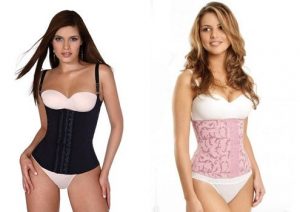
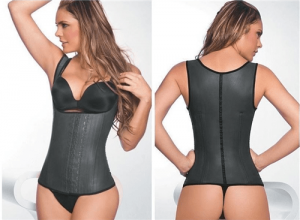
A cincher does exactly what its name suggests: it cinches the abdomen. It sits below the bust line, so you can think of a cincher as essentially the lower portion of a corset.
Bustier – Boost
A bustier usually has cup shapes built into the upper portion of the garment to support the bust. Its curved lines are often considered more alluring than the smoother edges of a corset. The cups work much like a modern bra and are designed to boost the cleavage.
5. Different in Sizing
Corsets and bustiers come in a wide range of sizes to suit different body shapes, so finding the right fit matters.
- Try out different lengths. Corsets of the same nominal size can run larger at the front or back, so check the fit carefully.
- If you are shopping for a bustier, keep your bust size in mind. Bustiers are fairly flexible and can be adjusted.
- Corsets are not flexible, so measure the corset length from each side. Take your body measurements first, write them down, and buy a corset that matches them.
- Whether you choose a corset or a bustier, always check the busk length.
Conclusion
Image source: fotolog.com
Corsets and bustiers have been worn for many years and have become a style statement over time. Corsets are popular worldwide because they can create an hourglass shape almost instantly – many women appreciate that immediate visual effect. Keep in mind, though, that this shaping is temporary and lasts only while the corset is worn. Corsets tend to be more expensive and come in many colors and sizes, and a few precautions are worth keeping in mind when you wear one.
Bustiers are less common but very useful. They can be worn comfortably under clothing, during the day or at night, and they flex to follow your body shape. They also tend to be more affordable. Corsets, by contrast, are generally not recommended for wearing while you sleep. A bustier does not deliver an instant cinched look, but it is a practical choice, especially for anyone whose body shape changes often.
Both bustiers and corsets can look elegant and flattering. If you plan to wear a corset for long periods or as part of waist training, listen to your body and consider checking with a qualified health professional first, especially if you have any existing health concerns. Hopefully this information helps you find the best fit and your new favorite piece.