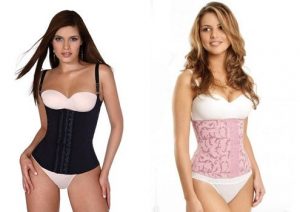
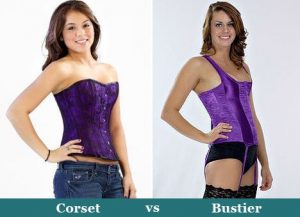
A medical corset is a brace that supports and encircles the trunk and vertebral column. It is most often used to provide support to the lumbar spine and to limit movement while an injury heals. Doctors may recommend one in certain situations, such as some fractures of the lumbar vertebrae, recovery after spinal surgery, or specific spinal deformities, always as part of a wider treatment plan.
Most medical corsets are made of cotton or nylon and typically cover the area from the sternum down to the pelvis. They use a tightening or lacing system, or are molded from resin to fit the patient’s body, and can fasten at the back, front, or side. When fitted correctly, they are generally comfortable to wear, and they are usually worn for a defined period of several weeks or months under medical guidance.
Corsets are also popular for non-medical reasons. Many people wear them to support better posture or to create a temporary hourglass shape under clothing. It is important to understand the difference: a more defined waistline while a corset is worn is a temporary, mechanical effect, not fat loss. Several styles fall under the medical-corset umbrella, including spinal braces, orthoses (orthotics), hyperextension braces, and lumbar corsets.
Lower back pain itself has many possible causes, including trauma, degenerative disc disease, fractures, scoliosis, and other spinal deformities, and a brace is sometimes used to help stabilize the back after spinal surgery.
What Can Medical Corsets Do?
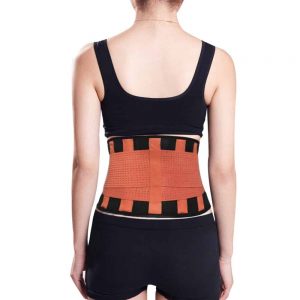 Source: https://www.aliexpress.com/
A medical corset can increase support around the abdomen, which may help reduce some of the load placed on sensitive spinal structures such as the vertebrae and joints. By limiting movement, it can create more comfortable conditions while the back recovers. It does not heal the spine on its own; any benefit comes alongside the treatment your doctor recommends.
A medical corset should ideally be obtained through a qualified specialist and custom fitted so that it adapts closely to your body. The placement and angle of the seams matter, and details such as the level of flat or spiral steel, the number of bones, and the boning rigidity should be tailored to your needs. A poorly fitted brace can do more harm than good.
Possible Benefits of Medical Corsets
The points below describe how medical corsets are commonly used. They are general information only and are not a substitute for a diagnosis or treatment plan from a qualified health professional.
1. Back Support
There is a common myth that corsets damage your skeleton or cause back pain. In practice, many people feel noticeably supported once a corset is fitted correctly. A well-made medical corset can be more supportive and comfortable than a standard support belt. The main caution is that relying on a brace for long periods without doing core exercises may allow the abdominal muscles to weaken, so braces are best combined with appropriate exercise advised by your provider.
2. Help With Lower Back Pain
By adding support and limiting movement, corsets may help with comfort and posture correction during recovery from issues such as vertebral fractures, slipped discs, and other wear-and-tear conditions like osteoporosis and degenerative disc disease. They manage symptoms rather than cure the underlying condition.
3. Degenerative Disc Disease
The spinal discs naturally change with age. These soft, compressible discs sit between the vertebrae and act as shock absorbers that let you bend, flex, and twist. The lumbar (lower back) and cervical (neck) regions are most prone to degenerative disc disease, which can appear alongside conditions such as spinal stenosis, osteoarthritis, and herniated discs. Pressure on the nerves can sometimes contribute to pain and headaches. A corset will not prevent or cure degenerative disc disease, but a brace recommended by your doctor may help manage symptoms and provide support.
4. Support After Trauma, Fracture, or Injury
Corsets can provide lumbar support and may help reduce strain during everyday activities such as repeated tasks, heavy lifting, long periods of walking, or desk work. People in physically demanding roles, such as auto mechanics, plumbers, and nurses, sometimes find extra back support helpful. This is supportive only and does not guarantee that disc disease or back injury will not occur.
5. Spinal Deformity

For conditions such as scoliosis, lordosis, and kyphosis, a medically prescribed brace may help stabilize the spinal curves and ease related muscle tension and back pain. In some cases, bracing supervised by a specialist can help slow the progression of a curve, but this should only be done under medical direction. People with connective tissue disorders are sometimes advised to use a brace to support the joints; any such use should be guided by a doctor.
6. Posture Support
Wearing a corset regularly may help you become more aware of holding an upright position, though lasting posture improvement still depends on strengthening your own muscles. A longer corset generally offers more support to the spine while you are upright. Good posture may help with comfort and can make clothing sit better when a corset is worn under clothing. The corset should follow the natural curves of your spine; people with lordosis in particular may need a fitting specialist to find the right shape and boning.
7. Osteoporosis Support
For people diagnosed with osteoporosis, a prescribed brace may help support and stabilize the spine and assist with pain management as part of their overall care.
8. Diastasis Recti
Diastasis recti is a separation of the abdominal muscles that can develop in the later months of pregnancy. A postpartum corset may help support and gently hold the abdominal muscles afterward, which some women find comfortable while recovering and adjusting to a rib cage that expanded during pregnancy. Ask your doctor or physiotherapist before using one.
9. Gentle Compression
Some people find the steady, hug-like pressure of a corset comforting, which is sometimes described as a form of deep-pressure or compression therapy. A corset is not a treatment for anxiety, depression, or panic attacks, but the calming feeling of gentle pressure may help some individuals feel a little more settled. Anyone dealing with anxiety, depression, or digestive conditions such as IBS or ulcerative colitis should seek proper medical care rather than relying on a corset.
10. Menstrual Comfort

Some women find that the gentle, firm pressure of a corset around the midsection feels soothing during their period, in a similar way to curling up in a fetal position. This may help with comfort for some people, but it is not a treatment for painful periods. If you have severe or persistent menstrual pain, speak with a doctor.
Medical Corsets vs. Waist Training Corsets
Medical corsets are designed to support the vertebral column and to help manage spinal injuries, deformities, fractures, and trauma. They support and hold the torso, limiting movement so the back can recover more comfortably.
Waist training corsets are different. They cinch the waist to create a temporary hourglass shape, an effect that lasts only while the corset is worn. Worn too tightly or for too long, waist trainers can cause problems such as constipation, heartburn, acid reflux, headaches, restricted breathing, and pressure on the ribs and organs. Lasting changes to body shape come from a healthy diet and regular exercise, not from the corset itself.
How to Clean a Medical Corset
Hand wash your medical corset with a mild soap or detergent, then gently air dry it or blot it with a towel. Never use bleach, and avoid drying it in direct sunlight. Always follow the manufacturer’s care instructions.
Can You Sleep in a Medical Corset?
Most medical corsets can be worn while sleeping. If you sleep on your back, the brace may feel stimulating against your back as you relax, so it helps to choose a comfortable back brace that you can sleep in. Check with your provider about how long to wear it, including overnight.
How to Measure Your Size
Keep your tape measure parallel to the ground and compare your measurements with the manufacturer’s sizing chart:
- Measure around your bra line.
- Measure about 1 inch above your belly button.
- Measure just below your hip bone.
- Sitting up straight in a chair, place the tape under your breast and extend it down to the top of your thigh for your torso length.
Conclusion
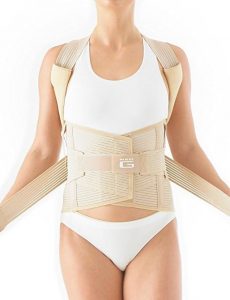 Source: https://www.amazon.com
Like most things, medical corsets have both benefits and drawbacks. They can offer real support, but they also carry risks, so it is important to seek medical advice before you start wearing one. Used correctly and with proper guidance, a corset may provide physical, practical, and emotional comfort for the right person.
Reported benefits of medical corsets may include:
- Added support that may help prevent some back injuries during certain activities.
- Help with stabilizing spinal curves when prescribed for conditions like scoliosis.
- Helping to conceal asymmetries associated with some congenital conditions.
- Easing muscular pain, fatigue, and tension for some people living with chronic or autoimmune conditions.
- Improved posture and comfort, which some people find helpful for related headaches or discomfort.
- General support during everyday activities and recovery.
Important: This article is general information and is not medical advice. Always consult a qualified doctor or physiotherapist before using a medical corset, especially if you have an existing back, spine, or health condition.