After giving birth, many new moms look for gentle ways to feel more supported and comfortable. Belly wraps, girdles, and corsets are three popular options, and although people often use the names interchangeably, they are not the same. Here is a clear look at how they differ, what they can realistically help with, and what to watch out for.
Differences Between a Belly Wrap, Girdle, and Corset
1. Belly Wrap
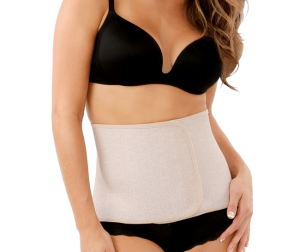
- Designed for comfort, so it can usually be worn on your belly for much of the day.
- May offer light support while recovering from pregnancy, and some people also use one as part of a weight loss routine.
- Any smoothing or slimming effect you see while wearing it is temporary and disappears once it comes off.
- Postpartum belly wraps generally offer a gentler, more wearable level of compression than a girdle or corset.
2. Girdle
- A popular choice for women who have had a C-section or who simply want extra support after childbirth.
- Can provide light abdominal and back support for new moms.
- Some women feel a postpartum girdle helps them feel more held-in and supported, though it is not a medical treatment and will not retrain your body on its own.
- It can help you feel more confident in your clothes while your body recovers at its own pace.
Image source: streamlinestore.com
3. Corset
- After having a baby, a corset can offer firm support and may help some women feel more upright, which can encourage better posture.
- It is worn passively, so it does not take up extra time in your day, but it is not a substitute for exercise.
- It can feel restrictive and uncomfortable if worn for long stretches (many people find more than about 8 hours too much).
- A modern corset is generally considered safe when worn sensibly, but problems can arise if it is laced too tightly or worn to extremes.
Pros of Wearing a Belly Wrap
1. Temporary Body Shaping
A belly wrap can make your post-baby figure look smoother and slimmer while you wear it, and many moms like the instant boost of confidence. Keep in mind this shaping effect is temporary and goes away once the wrap is removed. Old-fashioned wraps were sometimes used to cinch the waist down to a fashionable 16 inches, but that level of tightness came with obvious health risks and is not recommended.
Image source: corset-story.com
2. Extra Support After Having a Baby
After delivery, your abdominal area has been stretched. A belly wrap can help you feel more supported through the midsection and back, which may make it easier to move around, especially in the early days when getting up and down is uncomfortable.
Belly wraps are designed to help moms feel more comfortable and secure after the demands of pregnancy and delivery. For some women, that gentle support is a welcome comfort during recovery.
3. Convenient for Busy New Moms
Because a belly wrap is worn passively under your clothes, it does not add tasks to your day. It can be a simple, low-effort source of support while you focus on your newborn.
4. Pelvic Floor Support
During delivery, some mothers experience perineal tearing (a tear between the vagina and anus). These tears take time to heal and can cause considerable pelvic pain after birth. Wearing a belly wrap may help some women feel more supported through the pelvic area, which can make recovery a little more comfortable. It is not a substitute for medical care, so follow your provider’s guidance on healing.
5. Comfort During C-Section Recovery
Some women find that a postpartum belly wrap makes a cesarean recovery more comfortable by gently supporting the abdomen and reducing the feeling of pulling around the incision. Whether and when to use one after surgery should always be confirmed with your doctor.
6. Muscle and Skin Support
It can take time for skin and abdominal muscles to recover their tone after the stretching and intense muscle contractions of labor. A postpartum belly wrap may offer light support to the area during this period and help you feel more held-in, though your body’s actual recovery happens gradually on its own.
Cons of Wearing a Belly Wrap
1. They Are Not Cuddly
In the weeks after birth, a big part of the day is spent holding and cuddling your newborn. Belly wraps are firm and stiff, so they may feel less comfortable during those close moments.
2. They Do Not Replace Pain Management
Both C-section and vaginal deliveries can cause significant pain, and recovery looks different for everyone. A belly wrap may help some women feel more comfortable and supported, but it is not a replacement for pain relief prescribed by your doctor. Use it alongside, not instead of, the recovery plan your provider recommends.
Possible Risks While Wearing a Belly Wrap
Before using a belly wrap, it is important to understand the possible downsides. Use it carefully, do not over-tighten it, and take it off right away if you feel any discomfort. Possible issues include:
- Constipation
- Acid reflux
- Pressure on internal organs and intestines
- Restricted blood flow
- Indigestion
- A possible increase in the risk of blood clots
If you have any concerns, or any underlying health conditions, talk to a qualified healthcare professional before using a belly wrap, girdle, or corset.
Are Belly Wraps Embarrassing?
It can feel a little vain or old-fashioned to admit you are wearing a belly wrap. In reality, many moms appreciate the comfort and support, and they wear them without a second thought. A wrap will not transform your body on its own, but the gentle support and the smoother look under clothes can help you feel more like yourself while you recover.
Belly Wraps and Weight Loss After Pregnancy
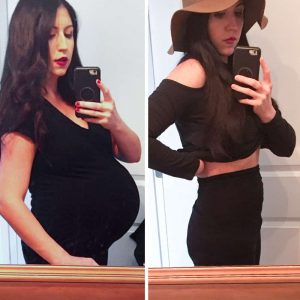
Image source: uk.pinterest.com
One reason moms like a postpartum belly wrap is the way it makes the post-baby figure look slimmer the moment it goes on. It is important to be honest, though: this is a temporary smoothing effect, not actual fat loss. A wrap can support and shape the area while worn, but it does not melt away weight by itself.
During pregnancy, your body changes and you naturally gain weight, partly because a mother has to eat well to nourish her baby. After birth, a belly wrap may support comfortable recovery and gentle support for your back, but lasting weight loss comes from a healthy diet and regular activity over time.
1. Healthy Eating Habits
There is no magical way to lose the baby weight. As the saying goes, with healthy eating habits and regular exercise you can gradually work toward your pre-pregnancy body. A few simple tips:
- Include good sources of protein to help your body rebuild and stay strong.
- Choose foods often described as anti-inflammatory, such as green tea, berries, and spices like turmeric and garlic.
- Make sure you are getting key vitamins, including vitamins A, C, D, and E.
2. Supportive Exercise
Many moms feel self-conscious about belly fat after delivery. The most reliable way to address it is gentle, gradually increasing exercise (once your provider clears you) combined with a balanced diet. A belly wrap may help you feel supported while you move, but the sweat you produce under a wrap is mostly water and is not the same as losing fat. Do not wrap it tightly in the hope of burning fat cells, as that can be uncomfortable and is not how fat loss works.
What to Look for in a Good Belly Wrap
Image source: dhgate.com
If you decide a belly wrap is right for you, here are a few things worth checking before you buy:
1. Durability
A good wrap is meant to be worn discreetly under your clothes, and many moms prefer it that way. Look for one that is comfortable, easy to take off if you need a break, and durable enough to hold up over months of use.
2. Easy to Wash
Since a wrap may be worn for several hours a day, it should be washable for repeated use. Hand washing without bleach or fabric softeners usually keeps it in the best shape.
3. Comfortable
Choose a wrap that is adjustable and stays in place. A good fit should feel secure without digging in or leaving you uncomfortable.
4. Lightweight
A light wrap is easier to wear under different outfits and lets you move and walk around comfortably throughout the day.
5. Velcro or Adjustable Fastenings
Adjustable fastenings, such as Velcro, help you fine-tune the fit and can make the wrap easier to put on and take off for better results.
The Best Way to Support a Healthy Pregnancy Recovery
Childbirth is a major event, and recovery can be both stressful and tiring. Recovery often takes longer after a C-section or other surgical delivery, so be patient and gentle with yourself.
Rest is essential, because pregnancy and delivery leave the body tired and run down. Good sleep and a steady routine help you feel fresher. Of course you need to care for your baby, but make time for yourself too. Breastfeeding can be draining, so aim for a healthy diet with plenty of protein and vitamins, and stay well hydrated to keep your energy up. Your strength will return, though full recovery takes time. Resting well helps your body feel calmer and more relaxed, which in turn means you can care for your baby in the best of health.
Finally, remember that a belly wrap, girdle, or corset is just one optional comfort aid. For anything related to your recovery, healing, or weight after pregnancy, the best step is to check with your doctor or a qualified healthcare professional.