A fuller, shapelier butt is a popular fitness goal, and there are several practical, well-known approaches that can help you build and accentuate your glutes. Below you’ll find honest tips on diet, exercise, styling tricks, and other options to consider.
The Pros and Cons of a Bigger Butt
Like most things, having a larger, well-developed backside comes with both upsides and trade-offs. It also helps to remember that body shape is largely influenced by genetics, so results vary from person to person.
Potential Benefits
- Many people simply prefer the look of a curvier, well-shaped butt, and feeling good in your own body can boost confidence.
- Strong glutes are among the most important muscles for everyday movement, supporting your hips, lower back, and posture.
- Well-developed glute muscles can help stabilise your pelvis and support good posture during walking, lifting, and standing.
- Building glute strength may help you feel more balanced and capable in daily activities and workouts.
Body fat distribution, including where fat is stored around the hips, is also influenced by genetics and hormones. For personalised advice on what is healthy for you, it’s best to speak with a qualified health professional.
Possible Trade-offs
A larger butt can come with a few minor inconveniences worth keeping in mind:
- Finding clothes that fit well, especially jeans, shorts, and swimwear, can take more effort.
- Some seating and tight spaces may feel less comfortable.
- You may need to adjust your wardrobe choices to get the fit you want.
Five Tips That Can Help You Build a Bigger Butt
The size and shape of your bigger butt are determined largely by muscle, body fat, and genetics. While no method guarantees a specific result, the following approaches are commonly used to help build fuller, firmer glutes over time.
1. Adjust Your Diet
What you eat plays a big role in how your body looks and how well your muscles develop. To build glute muscle, your body needs adequate fuel, especially protein, along with a balanced overall diet.
A few practical pointers:
- Include quality protein sources such as eggs, chicken, lean beef, and fish like salmon to support muscle growth and recovery.
- Don’t cut out healthy fats entirely; they help maintain energy levels and overall health.
- Limit heavily fried and ultra-processed foods, which add little nutritional value.
If you’re unsure how to structure your eating, consider working with a registered dietitian or nutritionist who can tailor a plan to your needs.
2. Add Targeted Butt Exercises to Your Routine
Resistance training is the most reliable way to build and lift the glute muscles. Consistent, progressive exercise is what shapes the muscle over time.
Effective glute-focused movements include:
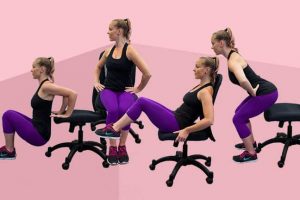
- Squats and their variations
- Deadlifts
- Lunges and step-ups
- Stair climbing
Combine a sensible diet with regular training and stay consistent for several weeks to months. Results take time, so patience and consistency matter more than any quick fix. For more ideas, see our guide to butt exercises.
3. Use Visual and Styling Tricks
If you want to enhance your shape instantly while you build muscle, clothing and styling can help create the appearance of a fuller butt:
- Choose higher-rise, fitted jeans that lift and flatter your shape while smoothing the waistline.
- Pick the correct size for a clean, comfortable fit; a higher rise paired with a defined waist can emphasise curves.
- Try padded underwear or shapewear designed to add volume.
- Well-fitting leggings and yoga pants can also accentuate your shape.
These tricks change appearance only and don’t build muscle, but they’re a simple way to feel more confident in the moment.
4. Consider Supplements Carefully
Some products are marketed as “butt enhancing” supplements, often containing protein or other ingredients. It’s important to be realistic here: no supplement can reshape your body on its own, and claims of fast or dramatic growth are not reliable.
If you choose to use a protein supplement to support a higher-protein diet, keep these points in mind:
- Supplements work best alongside, not instead of, a balanced diet and regular exercise.
- Look at the ingredient list and choose reputable products.
- Talk to your doctor before starting any supplement, especially if you have any health conditions, as some products may not be suitable for everyone.
5. Surgical and Medical Options
For those considering more drastic options, cosmetic procedures such as fat transfer (sometimes called a Brazilian butt lift) or implants are available, and some clinics offer injectable fillers.
These are serious medical procedures, not quick fixes. They can be expensive and carry real risks and possible side effects. If you’re considering surgery, consult a board-certified, experienced surgeon and discuss the risks, recovery, and realistic outcomes thoroughly before making any decision.
Three More Tips to Accentuate Your Shape
Alongside the main methods above, these small adjustments can help you make the most of your shape.
1. Mind Your Posture and Walk
The way you carry yourself affects how your body looks. Standing tall with good posture, and engaging your core as you walk, can make your figure appear more defined. A modest heel can also lift the look of the butt for certain outfits.
2. Use Butt-Enhancing Pads
Padded inserts that slip under your jeans or underwear can lift and add volume for an instant fuller look. Explore options like butt-enhancing pads to see what works for you.
3. Cinch Your Waistline
A more defined waist can make your butt look proportionally bigger. Shapewear, corsets, or a wide belt can help create an hourglass silhouette. Keep in mind that any slimming effect from waist trainers or trimmers is temporary and only lasts while you wear them; lasting changes to your body come from diet and exercise. Learn how to cinch your waistline safely.
Frequently Asked Questions
1. How Long Before I See a Bigger Butt?
It depends on your starting point, genetics, diet, and how consistently you train. With dedicated glute work, a supportive diet, and good habits, many people begin to notice firmer, stronger glutes within a few weeks to a couple of months. This isn’t magic, though; meaningful change usually takes months of consistent effort.
2. Can I Get a Bigger Butt Without Working Out?
Exercise is by far the most effective way to build glute muscle, so it’s hard to replace entirely. If your time is limited, you can still focus on a protein-rich, balanced diet and use styling tricks or pads to enhance your shape. Even short, regular workouts will help more than none.
3. Will Squats Make My Butt Smaller or Bigger?
Squats build and strengthen the glute muscles. Whether your butt looks bigger or more toned depends on your body composition, how you train, and your overall diet. With added resistance and enough fuel, squats tend to build muscle; as part of a fat-loss routine, they help tone the area. Individual results vary.
4. I Was Born With a Flat Butt; Will Squatting Help?
Two main factors come into play:
- Genetics. Genes strongly influence muscle shape and fat distribution, so results differ from person to person. Some people respond quickly to training, while others see slower changes.
- Nutrition. To build muscle, you need enough protein and overall energy in your diet to support your training.
Consistent strength training combined with proper nutrition gives you the best chance of building shape over time.
5. How Often Should I Squat?
Squats are a great glute exercise, but your muscles also need time to recover. Rather than squatting hard every single day, most people do well training the glutes a few times a week with rest in between. Consistency over weeks and months is what produces results. If you’ve seen the popular 30-day squat challenges online, treat them as a starting point and listen to your body.
The information above is for general guidance only. Before making significant changes to your diet, exercise routine, or considering supplements or cosmetic procedures, consult a qualified health professional.