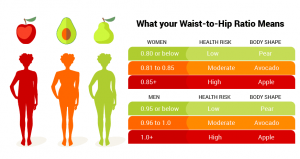
Obesity has become one of the biggest health challenges of the modern world. Busy schedules push many people toward fast food, which may be filling but is often very unhealthy. Around the world, poor eating habits have contributed to rising rates of obesity, sometimes from a young age. Even home cooking can fall short when it relies heavily on processed ingredients. Choosing fresh, whole foods, including organic produce when you can, is a healthier alternative.
A sensible way to manage your weight and lower your risk of weight-related health problems is to eat clean, minimally processed food and exercise regularly. Working your stomach muscles can help strengthen your core, which in turn supports the rest of your body, including your upper and lower torso. Below are a few things to keep in mind as you work toward your goals.
For a helpful visual walkthrough, you can also watch this smaller-waist exercise video.
Be Realistic About Your Body Shape
The first step to losing weight is simply deciding that you want to. Once you have made that decision, set goals that are realistic. If you are just starting out, do not expect a flat stomach right away. Choose a balanced, moderate-calorie eating plan so your weight-loss journey supports your health rather than harming it. Starving yourself to lose weight can cause real, long-term damage to your body.
A good way to start is to seek professional medical advice. Your doctor or a registered dietitian can help you build a plan based on your body and needs, and may recommend suitable cardiovascular exercise. Cardio raises your heart rate and helps your body burn calories. Strength training, high-intensity circuit training, and total-body workouts help build muscle, which can support overall fat loss over time.
How to Work Toward a Smaller Waist
A smaller waist is not something you can achieve overnight. Stay patient and set both short-term and long-term goals. With consistency, and without compromising your health, you can gradually slim your waistline. It is worth remembering that you cannot “spot-reduce” fat from one area; targeted exercises tone and strengthen the muscles, while overall fat loss comes from a healthy diet and regular activity.
In fact, what you eat matters even more than any single exercise. If you live on junk food but expect an hourglass figure, the results will not follow. Start by shifting toward whole, unprocessed foods, and add soluble fiber to your meals to support digestion.
Low-fat dairy can be used to make lighter, sugar-free desserts at home. Portion control is the next step, helping you take in the right amount of calories to function well while gradually reducing your waist size. When your diet is balanced and nourishing, you will also be able to work out more effectively. Choose targeted exercises, check your posture, and begin. Shorter routines done correctly beat longer routines done poorly. Here are a few exercises that help tone the waist:
1. Plenty of Cardio
Cardio is a must. Cardio workouts raise your heart rate and help your body burn calories and fat. If you carry extra weight around your belly, regular cardio is an important foundation before focusing on waist-toning exercises.
Cardio options include walking, jogging, swimming, using a treadmill, or any activity that gets your heart rate up. While you work your abdominal muscles, cardio helps reduce the surrounding fat so the toned muscle can show. Even if you are doing other exercises, make regular cardio part of your routine.
2. Engage the Correct Core Muscles
When you exercise, good posture and proper breathing help you target the right core muscles. Many people follow workouts blindly, which can lead to muscle strain and ineffective sessions. Avoid pushing past your limits, as this can cause injury.
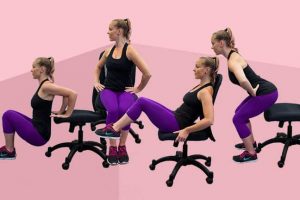
You can also engage your core during everyday tasks, such as sitting up straight or swapping your regular chair for a stability ball. This keeps gentle tension on your core muscles. Seated exercises that involve lifting your legs can also activate the core, so adding them to your daily routine can help.
3. Sit-Ups
Sit-ups are an efficient way to strengthen and tone your abdominal muscles. To perform them safely:
- Lie on the floor, using a soft mat for cushioning. Start by lying down straight, with your spine and neck aligned and your shoulders relaxed.
- Bend your knees and keep them hip-width apart, with your feet flat on the ground in a comfortable position. Keep your body neutral.
- Place your hands either crossed over your chest toward the opposite shoulders, or behind your head. Crossing your arms is gentler on the neck; hands behind the head can strain it if you pull.
- Tighten your abs by drawing your belly button toward your spine. Slowly rise, leading with your head and letting your shoulders follow, keeping your feet flat on the ground.
- Breathe out as you rise and breathe in as you return to the neutral position. Hold briefly, then repeat.
Take it slow and steady; rushing reduces the benefit. Keep your posture intact throughout to work the core effectively.
4. Twist Crunches
Twist crunches are another great exercise for toning the abdominal muscles and the sides of your waist. To do them:
- Lie on the floor with your body aligned to your spine and your shoulders relaxed.
- Bend your knees and keep your feet flat on the ground, legs hip-width apart.
- Cross your arms to touch the opposite shoulders. For more resistance, you can extend your arms while holding light weights.
- Lift your shoulders and upper back toward the ceiling while twisting your torso to one side.
- Hold for a second, return down, and repeat on the other side, alternating slowly.
Twist crunches work the sides of your midsection and help tone the waistline, while overall fat loss continues to come from diet and consistent activity.
What to Wear While Working Out
What you wear during exercise matters more than you might think. Keep these points in mind:
- Choose clothing that does not restrict your movement or feel suffocating.
- Dress for the temperature of your workout space or gym.
- Women should wear a properly supportive sports bra to reduce the risk of strain and discomfort.
- Tie your hair back so it stays out of the way, and consider skipping heavy makeup so your skin can breathe as you sweat.
- Avoid loose, baggy clothing during strength training, as it can interfere with your form and your grip on weights, increasing the risk of injury.
Other Tips for Waist Slimming
- Warm up before every workout to help prevent injury.
- At the end of your session, do some core stretching and let your whole body relax.
- Keep your workouts comfortable and enjoyable so you can stay motivated. Breathable clothing, a soft floor mat, and good music can all help.
- During difficult movements or moments of strain, try a slow, deep exhale to calm yourself and let your body adjust gradually.
- Vary your workouts now and then, whether new equipment or new types of exercise. This works different parts of your body and helps prevent boredom.
- Regular aerobic exercise can help reduce excess fat and keep your heart healthy. A common general guideline is around 30-60 minutes of aerobic exercise on most days, but check with a health professional about what is right for you.
- Move more throughout the day instead of sitting for long stretches, which helps you burn more energy overall.
- The right clothing can make your waist look more defined. Options include A-line dresses, high-waisted jeans, and shaping garments such as body-shaping underwear and waist-cinching belts. Keep in mind that any slimming effect from shaping garments is temporary and only lasts while they are worn.
- Sweating causes fluid loss, so drink enough water during your workout to stay hydrated.
- Aim for adequate sleep. Poor sleep over time has been linked to weight gain and can affect metabolism.
Conclusion
It takes time for your body to lose extra weight. Weight loss and body shaping are slow, steady processes, even though many of us hope for fast results after a single day at the gym. Some people spend hours in saunas, or wear waist belts marketed as portable saunas. It is worth being clear about what these do: any quick “slimming” they produce comes mostly from temporary water loss, not fat loss, and the effect fades. Real, lasting results come from a healthy diet and consistent exercise.
Before you start, aim to get fit and healthy, not to punish yourself out of shame. There is nothing wrong with being overweight if you are healthy, and your primary focus should be your wellbeing rather than a number on the scale. Some people, especially women, chase an extremely thin “model” look that can leave them underweight, which carries its own serious health risks. Resorting to steroids, appetite-suppressing drugs, or self-starvation is dangerous and can lead to malnutrition.
If you want a smaller waist, commit to doing it in a healthy way: exercise regularly, include targeted exercises and cardio, and manage your diet. Always speak with a qualified health professional before making big changes to your diet or fitness routine, especially if you have any underlying health conditions. With patience and consistency, you will gradually see positive changes in both your health and your appearance, and build habits that can support a longer, healthier life.