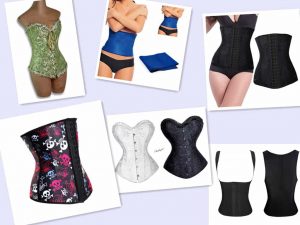
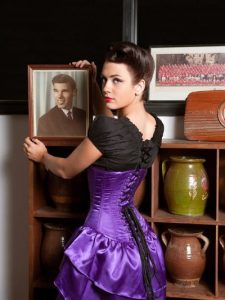
Waist trainers are no mystery to most women. Over the decades, we have all become familiar with the idea of waist training. One of the styles that stays popular is the underbust trainer, and its name describes it perfectly: it is a design that ends right below the breasts.
That makes it wonderfully practical. A regular underbust trainer can be worn discreetly beneath your everyday clothes. Before you choose one, though, it helps to decide what you actually want your waist training to achieve. Let’s look at why this style might suit you.
[Read more about the Underbust Trainer]
An Underbust Trainer for Your Shape
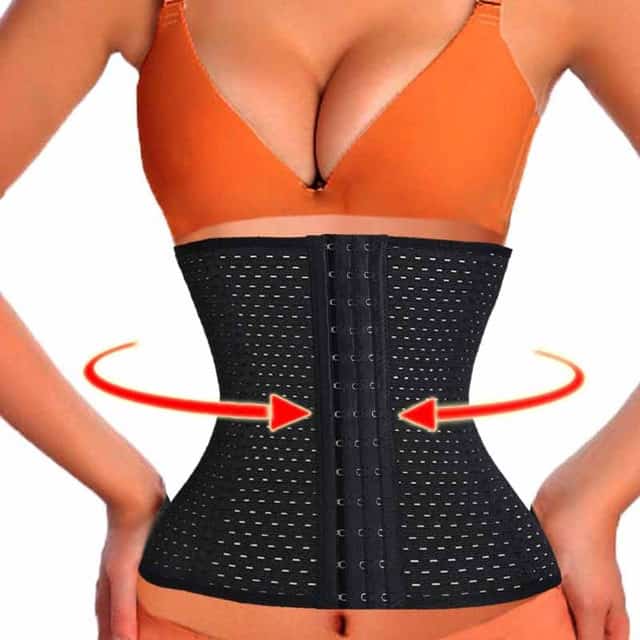
Many women wonder why their figure looks so different from a friend’s or even a sister’s. Bodies simply vary, so it helps to understand your own body type before picking a trainer.
Here is a quick guide by shape:
- Fuller bust: an underbust trainer can emphasise the curve from the waist up to the breasts.
- Flatter chest: many flat-chested women love underbust trainers because they help create a more hourglass-style silhouette.
- Larger cup size, more conservative look: if you would rather not accentuate your curves, an overbust trainer can be a flattering, more covered choice. A well-made steel-boned trainer designed for your measurements tends to look best.
- Square or boyish torso: an overbust trainer often gives a smoother shape, though an underbust style can still look great if you feel confident in it.
Whatever your shape, the common thread is confidence. The right trainer can help you feel good about how you look. If you want to play up small breasts, an overbust trainer can add to the illusion of curves, while an underbust style keeps the focus on your waistline.
The best advice is simple: try as many designs as you can before you settle on one. The general rules are a useful starting point, but they do not always apply to every body. If a boyish frame still looks good in an underbust trainer, wear it for your own confidence.
Why We Love Underbust Trainers
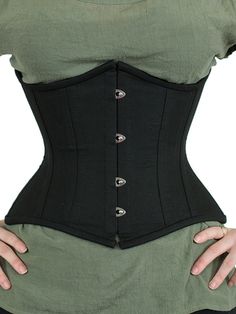
Underbust trainers are a favourite for everyday waist training, and it is easy to see why. Some trainers are really only for special occasions, but a good-quality underbust trainer can be worn regularly.
You can slip one on under your work clothes without colleagues noticing. Your suit or dress simply looks a little neater. Any change to your shape develops gradually over weeks and months rather than overnight, so it stays your own quiet project.
For parties and evening events, you can wear an underbust trainer on the outside, over a top or dress. A fancy, feminine design can look striking and elegant, worn with a bit of confidence.
Chasing a renaissance, gypsy or steampunk look? A steel underbust trainer pairs beautifully with a costume. Both overbust and underbust styles adapt to whatever outfit you have in mind; you are in charge of the effect you want.
There are also lingerie-style underbust trainers for a more intimate look. They tend to use slightly more delicate fabric, so they are comfortable and easy to remove. There are plenty of designs to browse online.
Size Is a Trainer’s Secret Weapon
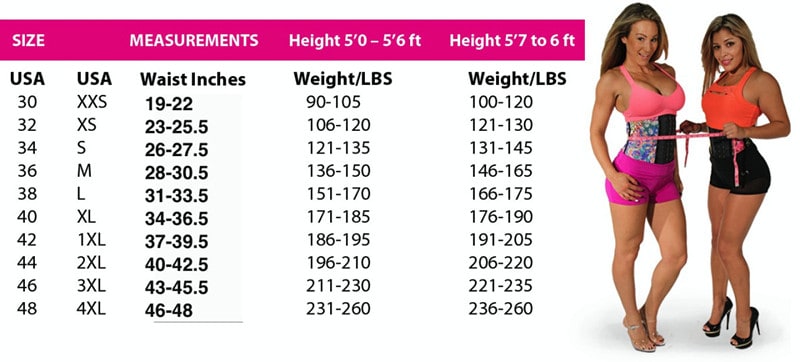
Getting the size right is one of the most discussed topics in waist training, and for good reason. The key is knowing what your body actually needs.
With an underbust trainer you do not need to measure your bust or bra size, but you do need an accurate measurement of your waist and abdomen. As a rough guide:
- A shorter trainer suits someone with a flatter stomach and exposes a little more skin.
- A longer underbust trainer is better if you want to focus on the waistline.
It helps to have someone assist with the measuring. Visiting a trainer designer is ideal, because they know exactly which measurements to take and can match the design to how you plan to use it. As a general rule, measure from just below your breasts down to the upper hips.
You can also read our detailed guide on how to choose a waist trainer, which explains which parts of the body to measure before you buy.
If you would rather not deal with a shop at first, you can take the measurements at home with a friend. Just be careful to measure all the important areas accurately. Because the boning is positioned strategically to follow a particular shape, precise measurements really do matter.
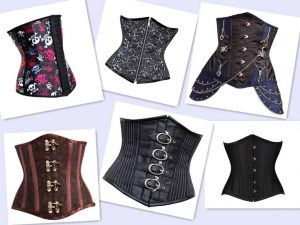
You may notice that underbust trainers with steel framing cost more, but they are durable and well made. Whether you are a beginner or not, a steel-boned trainer is generally a sturdier, healthier choice; for more on this, read The Wonders of Steel-boned Trainers.
Make the investment once you are clear about your purpose for buying a trainer. If you are serious about waist training, the decision is an easy one. Enjoy the shopping, but do it wisely.
Underbust Trainer vs. Overbust Trainer
The counterpart to an underbust trainer is the overbust trainer. Understanding the difference helps you find the best fit for your goals. The names give it away: one sits under the chest, the other wraps over it.
Underbust Trainer
An underbust trainer focuses on supporting and shaping the waist. Many wearers also find it gives some back support and helps encourage better posture. Its smaller size makes it easy to wear at any time for a natural look, and for a woman with a smaller bust it can make the chest appear a little fuller.
Overbust Trainer
An overbust trainer covers the chest, so a bra becomes unnecessary. It offers firmer, more structured shaping than the underbust style and gives plenty of support while encouraging good posture. It works for most bust types: chest pads can fill out a smaller bust, while a fuller bust can be smoothed for that hourglass look.
Getting the Best (and Safest) Results
Choose a high-quality underbust trainer that fits you well and wear it correctly. Pair it with balanced eating habits and regular exercise, and stay well hydrated, and you are far more likely to see the results you are hoping for. A waist trainer is a helper, not a shortcut; any slimmer shape it creates while worn is temporary and tends to ease back once you take it off.
A few sensible cautions: do not lace it too tightly, and do not wear an underbust trainer for too many hours or too many days in a row. If it ever feels painful, restricts your breathing or makes everyday movement difficult, take it off. Because waist training puts pressure on your midsection, it is wise to consult a qualified health professional before you begin, especially if you have any existing health conditions.