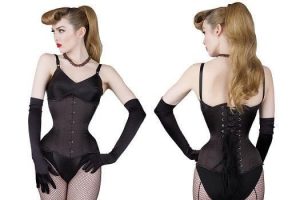
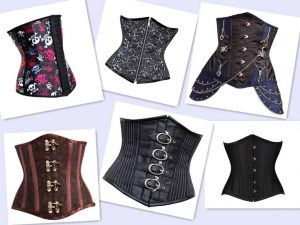
It would be easy to blame Jessica Rabbit for our collective obsession with shrinking the waistline into a cartoon-perfect hourglass. In reality, plenty of people simply enjoy the waist-training process and like the way the look makes them feel. Hollywood is full of actresses and celebrities who show off their curves on red carpets and social media, and stars like Kim Kardashian have helped keep the trend in the spotlight.
Today, many women are curious about corsets and waist trainers, and even those who have recently given birth are looking into post-pregnancy garments to help them feel more like themselves again. The vocabulary can be confusing. Trainers, cinchers, corsets, post-natal wraps, they all sound similar and they all promise a smaller-looking waist, but they are not the same thing.
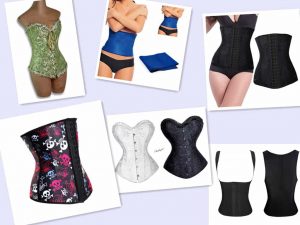
Below, we break down how waist trainers, post-pregnancy garments, and corsets differ, what each one is actually designed to do, and what you can realistically expect from them.
What Is the Difference Between Waist Trainers and Post-Pregnancy Garments?
Waist trainers and post-natal garments look alike, but they are built for very different purposes. Telling them apart matters so you can reach for the right one at the right time.
- Waist trainers often use rigid materials, including steel boning in corset-style versions. That firmness is too much for a woman who has just given birth.
- Post-natal garments are softer and more forgiving. Post-natal shorts or similar wraps are usually far more comfortable, especially after a C-section.
[Read more about Post-Pregnancy Garments]
What Is Suitable for a Woman After Giving Birth?
After pregnancy, the body has adapted to a new shape, and many women want to ease back toward their pre-baby figure. Gentle post-natal garments can offer light support during that transition.
A few things to keep in mind:
- Be patient. Recovery takes time, and there is no need to rush the process.
- New mothers should avoid strenuous exercise at first and limit physical activity until they are cleared to do more.
- Always check with your doctor about when, and for how long, it is appropriate to wear any postpartum garment.
For women who are not recovering from childbirth, a corset or trainer can usually be worn day to day. Used sensibly, it can help define your shape and emphasize your natural curves. Many people find watching their progress an enjoyable, confidence-building experience.
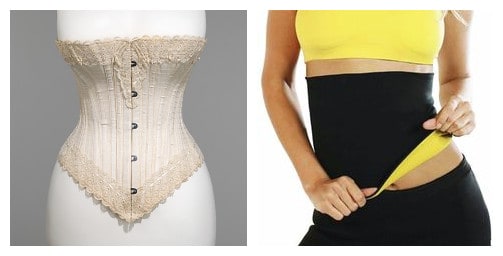
Post-natal garments, by contrast, are restorative in nature. They provide gentle compression and support to muscles and loose skin so the midsection feels and looks firmer while you heal. Think of them as a supportive wrap rather than a sculpting tool. Worn regularly over the first several months after birth, some women find they offer meaningful comfort, though results vary from person to person.
Waist Trainers vs. Corsets
Traditional corsets are generally more comfortable than hardcore waist trainers and are often worn more for their look than for cinching. High-intensity waist trainers are designed to draw the waist in by a few inches, which comes with a higher level of discomfort.
The word “training” is key here: over time your body adjusts to the snug fit. Even so, a trainer should never make breathing genuinely difficult or cause pain. If it does, it is too tight, and you should take it off.
Boning and Support
- Many trainers used for exercise lack a proper frame or boning. They are more comfortable than steel-boned corsets but offer less shaping.
- Steel-boned corsets are specifically designed to sculpt the silhouette.
- Waist trainers lean more toward support, especially during workouts.
- A well-made corset can support the back and encourage better posture. Some men wear them for midsection definition, too.
- Cheaply made corsets with flimsy frames provide little structure and not much support.
One practical difference: a waist trainer can usually be hidden under everyday clothing, while a structured corset is more visible and harder to conceal.
What Is the Difference Between Their Materials?
Material is probably the most visible factor separating these three garments.
Waist Trainers
Waist trainers are typically made from latex, which traps heat and encourages sweating. That is part of why people like them for exercise, the torso feels warm and the workout feels intense. Remember that the sweat is largely water weight, not fat loss.
Post-Natal Garments
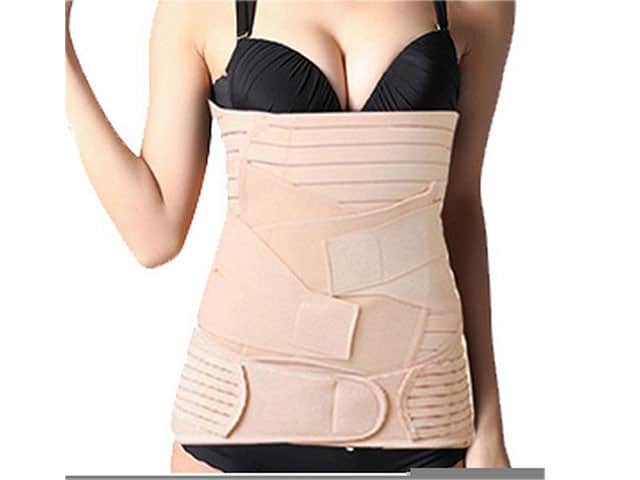
Post-natal garments use softer, more breathable materials suited to women who have just given birth. If you have come across belly bands, you already know how comfortable they can be. The fabric is usually stretchable, letting the body move and breathe, and some are even built into pants or dresses. Many doctors are comfortable recommending supportive postpartum wraps, though you should still confirm what is right for your own recovery with a qualified health professional.
What Results Can You Realistically Expect?
A postpartum garment with gentle compression can offer real comfort during recovery. Many women appreciate the light support it provides as their body adjusts after birth. Some also report that it helps them feel more secure while healing, including after a cesarean section.
These garments are not medical treatments, however, and they do not cure or guarantee anything. If you want to use one, a common suggestion is to start within the first day or two after giving birth and wear it for several hours at a time, but always follow your doctor’s guidance on timing and duration.
What Corsets Can and Cannot Do
For corsets to make a visible difference, they need to be worn regularly, and it helps to keep your expectations realistic:
- A corset will not change your underlying body type, even with long-term use.
- It can give you a more sculpted, feminine shape through consistent wear.
- If you have a pear-shaped figure, your natural curves will still show, you will not turn into a different body type.
- The slimming effect while you wear it is temporary and meant to shape, not transform.
Many people enjoy wearing one even the first time simply because the shaping effect is immediate and fun.
Are the Effects Permanent?
It is important to be honest here: the slimming you see while wearing a waist trainer or corset is temporary. Once you take the garment off, the body tends to return to its natural shape. Wearing it consistently over a long period may help maintain a trained look, but this is gradual and varies from person to person. (The neck rings worn in some cultures are sometimes mentioned as an analogy for long-term shaping, but that is a very different and far more extreme practice and not something we recommend.)
There can also be a psychological benefit. Some women say they feel more in control and more confident when wearing a corset, and the structure may encourage better posture while it is on.
The Bottom Line
Waist trainers, corsets, and post-natal garments do not deliver permanent results, but many people find them genuinely useful for achieving a temporary change in how their body looks and for the confidence boost that comes with it. Worn correctly, they should not cause pain, perhaps only slight discomfort.
For lasting changes in your shape, pair any garment with a balanced diet and regular exercise, and listen to your body. Because this involves your health, it is always wise to consult a qualified health professional before starting waist training, especially if you have any existing medical conditions.
Once you have decided it is right for you, the next step is finding a trainer that genuinely fits. If that is where you are, our earlier guide, How To Choose A Waist Trainer, can help you find the one that is right for you.