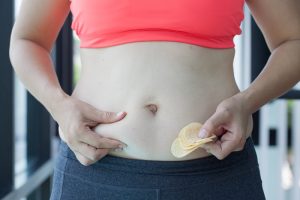
Body wraps are widely marketed for fat loss, weight loss, “detoxification,” cellulite removal and relaxation. In reality, any changes you see on your body afterward are temporary and cosmetic, and they cannot be considered true fat loss. A body wrap can still be a pleasant relaxation treatment in a spa setting, and it is generally safer for people with no underlying medical conditions. For an at-home version, plastic film is applied to the stomach with creams or lotions in the hope of creating a slimmer waist.
Because corsets and waist trainers carry their own risks, some people turn to the plastic-wrap method instead, believing it to be lower-risk. Body wraps themselves are not new: they were introduced decades ago using ingredients such as rosemary, clay, mud, honey, chocolate, butter and eucalyptus, originally with linen sheets that were later replaced by thermal or chemical blankets.
[Read more about Plastic Wrap]
Types of Body Wraps
Several styles of wrap are commonly sold. The benefits below are how they are marketed, and many of these claims are not well supported by evidence:
- Algae wraps are said to hydrate the skin with minerals, support circulation and improve the feel of skin texture.
- Mud wraps coat the skin with mud to encourage sweating and are marketed to cleanse, hydrate and temporarily firm the skin while helping you relax.
- Clay wraps use oils with added herbs and are promoted for circulation and skin comfort. Claims that they cause “detoxification” or weight loss are not supported by good evidence.
- Cellulite and seaweed wraps are often promoted for “spot reduction” of the thighs and hips, but as explained below, targeted fat loss in one area is a myth.
Does Plastic Wrap Help You Lose Belly Fat?
The short answer is no. Plastic wraps make you sweat, but they will not help you lose belly fat. The only reliable way to reduce belly fat is through a calorie-controlled diet and regular exercise. You may see the scale drop by a pound or two after wrapping your stomach, but that is water lost through sweating, not fat.
1. How People Apply Plastic Wrap
Abdominal fat is stubborn, and plastic wrapping is one of the many “shortcuts” people try, though it is not an effective one.
At home, people sometimes combine menthol heat patches (sold at most pharmacies) with rolls of plastic wrap. The wrap is placed over the belly in one or two layers and left on for roughly 45 to 50 minutes. Some routines repeat this over several days. Keep in mind that any “result” you notice is temporary water loss, not lasting fat loss.
If you do try it, do not wrap tightly, since a tight wrap can restrict circulation. Cover it with a loose t-shirt, shorts or pants, and if the wrap is too loose, a light bandage can hold it in place.
2. How It Is Supposed to Work
Plastic wraps are an updated version of older “tummy belts,” where a cream was applied and a belt worn in the hope of losing belly fat. Sellers claim that the trapped body heat increases blood flow over the stomach and burns fat there, and that the wrap tones, tightens and firms the skin and abdominal muscles.
The honest picture is more limited. A wrap can provide stress relief and relaxation and a brief, temporary slimming look while it is worn. It does not “burn fat tissue,” and it does not draw fat or toxins out through the skin. Claims that wraps flush heavy metals such as mercury and lead from the body are not supported by evidence, and your internal organs are not affected at all.
Working Out with Plastic Wrap on Your Stomach
Some bodybuilders, athletes and fashion models wear plastic wrap while training to create a watertight barrier. The wrap traps heat and raises the local temperature, which increases sweating and water-weight loss. That loss can make a temporary difference for a weigh-in, competition or photo shoot, but the weight returns as soon as the person rehydrates.
Wearing a wrap during aerobic exercise raises your body temperature and may make you sweat more, but this does not meaningfully increase fat loss and can raise the risk of overheating and dehydration.
Spot Reduction Is a Myth
Spot reduction is the idea that you can target one area of your body for fat loss. It is a myth. Your body does not lose fat from a specific spot just because you exercise it or wrap it in plastic. Fat loss happens across the whole body, not only where you focus your effort, so wrapping your belly will not slim only your belly.
Risks of Plastic Wrap
1. Only Temporary Weight Loss
Most of the weight you lose with a plastic wrap is water weight, and it is very short-lived. It comes back as soon as you drink fluids.
2. Dehydration
The heavy sweating involved can cause dehydration, which may reduce blood volume and, in serious cases, lead to dizziness, weakness or confusion. Severe fluid loss can become a medical emergency.
People with pre-existing conditions, especially heart or circulatory problems, are more vulnerable: dehydration can drop blood volume and make the heart work harder to maintain blood pressure. A tight wrap can also restrict circulation, and fluid loss can upset electrolyte balance, which may trigger cramps or, in those with conditions such as atrial fibrillation, irregular heartbeats. If you have any heart or circulatory condition, talk to your doctor before trying this.
3. Material and Chemical Concerns
Some cling films are made from polyvinyl chloride (PVC). There are ongoing health concerns about certain plastics and additives, so it is sensible to avoid prolonged skin contact and not to use food-storage wrap as a body treatment. If you want to understand the different types of plastic film and which are intended for food storage, look for that information separately.
Wraps and the creams used with them can also cause skin irritation or allergic reactions in some people. If your skin reacts, stop using the wrap.
4. Overheating and Other Effects
Prolonged wrapping can lead to overheating (hyperthermia), with symptoms such as dizziness, nausea, disorientation and, in extreme cases, fainting. A burning sensation on the skin is also common. Very tight wraps put pressure on the body and are uncomfortable, which is another reason to keep them loose and limit how long you wear them.
Healthier Ways to Lose Weight
Since plastic wrap offers no real weight-loss benefit and can carry risks, the better approach is to focus on habits that actually work. Here are some suggestions for healthy, lasting weight loss.
1. Eat Well
Your body gets the nutrients it needs from food, so eating well is the foundation of any weight-loss plan. A simple first step is to swap fatty or sugary snacks for fruits and vegetables. A balanced diet supports both a healthier body and the figure you are aiming for.
2. Be Aware of Your Calories
Weight loss generally comes down to using more energy than you take in. Having a rough sense of how many calories you eat and burn each day can help you make more informed choices as you work toward your goal weight.
3. Find an Exercise Routine That Fits You
Exercise helps with weight loss, and a plan that suits your life is easier to stick with. Start small: take a walk after meals, use the stairs instead of the elevator, or invite a friend to be active with you or join a gym.
4. Don’t Go to Extremes
Sudden, drastic changes rarely last. Rather than banning every treat overnight, ease into new habits. For example, cut back on candy gradually, from one a day, to once a week, to none, instead of quitting everything at once. Steady, healthy steps are more sustainable.
Bottom Line
You cannot lose belly fat by wrapping your stomach in plastic during workouts. Any weight lost is water weight that returns as soon as you rehydrate. For most people, plastic wraps are not a good use of money, and they do not help you lose belly fat. The only thing that reliably works is a balanced diet combined with regular exercise.
A sensible, healthy approach is to eat balanced meals with foods such as fish, eggs, nuts, fruits, vegetables and other healthy proteins, limit sugary snacks and excess fat, and eat reasonable portions to stay full and energized. Add small amounts of activity to your day, such as taking the stairs or walking after dinner, then build up to a regular exercise routine. Keeping track of your calorie intake can help too. Finally, if you have any underlying medical condition or are unsure where to start, talk to a qualified healthcare professional before beginning any new weight-loss method.