Stubborn fat in certain areas of the body, such as the middle abdomen, thighs, or pelvic region, can be frustrating because you can’t simply bend, twist, or spot-reduce it away. In this article, we’ll focus on fat in the pelvic area, often called FUPA.
What Is FUPA?
FUPA is an acronym for “fat upper pelvic area” (sometimes “fat upper pubic area”). It can affect both women and men.
The term describes a region of loose skin or fatty tissue located on the upper pubic area, specifically below your waistline and above the pubic hairline. FUPA is a slang term; in medical settings, it is referred to as a panniculus.
Is Waist Training Helpful for FUPA?
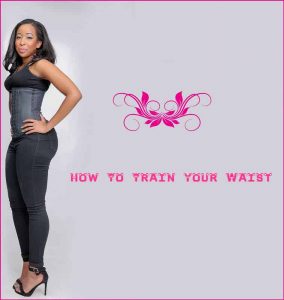
Many people considering a waist trainer feel hesitant at first. A waist trainer can be one option for creating a smoother silhouette under clothing, and shapewear can be worn for many occasions.
It’s important to set realistic expectations, though. Shapewear does not change your underlying body shape, and it doesn’t take inches from your waist and permanently move them to your hips.
A waist trainer cannot remove fat tissue. What it can do is temporarily smooth and conceal the area while it’s worn, which may help you feel more confident in a particular outfit. Any slimming effect lasts only while the garment is on, so think of it as a styling aid rather than a fat-loss tool.
What Causes FUPA?
Fat buildup in the groin and lower pelvic area can develop for several reasons. Some common factors include the following.
1. Genetics
Where your body stores excess fat depends largely on your genes. When the body releases stress hormones into the bloodstream, fat can be stored more readily in cells near your vital organs.
A genetic predisposition may also influence how fat cells accumulate in the groin area. Everyone stores fat in a unique pattern and in different parts of the body, and some people find these areas harder to slim down than others.
2. Pregnancy
FUPA can appear in women after childbirth, partly because of muscle laxity in the pubic area. It is also commonly noticed after a C-section or other procedures involving a horizontal incision in the lower abdomen.
3. Weight Gain or Loss
Changes in weight can contribute to this condition. Weight gain adds fat tissue, while very rapid weight loss can leave loose skin in the pubic region. Carrying excess weight is a significant factor, since it can lead to the kind of fat buildup associated with FUPA.
4. Poor Diet
Your diet affects how you look and feel, and this is especially relevant if you’re genetically prone to storing fat in the pubic area.
Diet-related factors that may contribute include heavily processed and inflammatory foods, such as sodium-rich fast food, alcohol, and refined grain products. Refined sugars, mainly white sugar and white bread, can raise blood sugar levels, which in turn can raise insulin. Over time, eating patterns like these can encourage fat storage. Choosing whole, minimally processed foods more often is a more supportive approach.
5. Stress
Stress can play a role in FUPA. Combined with a poor diet, ongoing stress may contribute to greater fat storage, partly because of the hormone cortisol released during stressful periods such as family worries, job demands, or relationship strain.
Eating well can support healthier stress management. Vitamin C from foods like oranges, bell peppers, and strawberries, along with omega-3 fatty acids, may help support your body during stressful times.
Waist Training to Help Reduce the Appearance of FUPA
1. Choose a Waist Trainer That Fits You Well
Waist trainers are garments designed to temporarily accentuate your curves and smooth your waist line by compressing the abdomen while worn. When shopping for one, keep these points in mind:
- Look for a front closure with hooks and good boning.
- Many people prefer steel boning over plastic because it tends to be more durable.
- The trainer should be snug enough to close on the third row of hooks without bulging.
- It should provide enough structure around the waist, but should never restrict your breathing. If it does, size up or take it off.
2. Break In Your Waist Trainer
Give yourself time to ease into wearing a waist trainer. It may feel uncomfortable at first, but you’ll gradually adjust to it. Start with short sessions and stop if you feel pain, numbness, or breathing difficulty.
3. Pair Waist Training With an Appropriate Diet
A waist trainer works best alongside good nutrition. Real fat loss comes from a sustainable, balanced diet rather than from the garment itself. Some helpful guidelines:
- Favor clean, unprocessed foods.
- When you maintain a sensible calorie balance, your body can draw on stored fat for energy, which supports overall fat reduction over time.
- Choose modest portions of whole-grain options such as whole wheat bread or brown rice.
- Include lean proteins like fish, grilled chicken, and lean beef, which are lower in saturated fat and help preserve muscle.
- Add plenty of fresh fruits and fibrous vegetables.
[Read more about Waist Training]
Helpful Exercises to Add to Your Routine
Targeted exercises can’t burn fat from one specific spot, but they help strengthen and tone the muscles in your core and lower abdomen, which can improve how the area looks as part of overall fat loss.
1. Crunches
Crunches are a solid ab exercise. Reverse and upright (vertical) crunches are often gentler on the back than traditional floor crunches.
Reverse crunches: Lie flat on your back, face up, with your hands resting behind your head (don’t lace your fingers). Bend and raise your knees so your thighs are roughly perpendicular to the floor, in line with your hips. Cross your heels at the ankles or keep them together. Exhale as you lift your chest toward your thighs, keeping your abdominal muscles tight. Keep your elbows wide and your chin away from your chest, and avoid pulling your head up with your hands. Hold briefly as you exhale, then inhale as you lower back to the starting line at hip level with your back straight. Perform 2-3 sets of 15-20 reps.
Upright crunches: Stand straight with your hands on your hips. Inhale and draw your tummy inward. Extend your left leg straight out and reach as far as is comfortable. Hold for a few seconds, then lower it with control. Repeat 15-20 times, then switch sides. Practice regularly for the best results.
2. Planks
The plank is a great exercise for core and upper-body strength and for engaging the lower abdomen.
Get into a push-up position with your body in a straight line, so your shoulders sit directly over your hands and your hips stay level. Hold this position for as long as you comfortably can, working toward about a minute. Repeat 3-4 times. Each week, try to add 20-30 seconds to your hold time as your strength improves.
3. Mountain Climbers
Mountain climbers combine cardio with core engagement and help strengthen the upper body and trunk.
Start in a push-up position with your upper and lower body aligned. Drive your right knee up toward your right hand, as if you’re starting a sprint, so your lower abs feel some tension. Return it, then repeat with your left leg, alternating sides. Do 3-4 sets of 15-20 reps. As a dynamic, full-body movement, this exercise supports overall calorie burn and core strength.
4. Chair Lift Exercises
Chair lifts are simple to perform and help engage the lower abdominal muscles.
Sit upright in a chair with your spine aligned against the backrest. Keep your hands resting on the seat and your abdominal muscles tight. Lift your right leg straight out in front of you, hold it up, then lower it slowly toward the floor. Continue for several reps, then switch sides. Done consistently, this move helps tone the lower abdomen and can improve the appearance of the FUPA area.
Conclusion
The upper pubic area, also known as the mons pubis, is a common area of concern for both overweight women and men. Many people feel self-conscious about it when wearing shorts or swimsuits. The good news is that there are several approaches to reducing its appearance.
Regular exercise and a balanced diet are the two most natural ways to reduce subcutaneous fat in the upper pelvic area, and remember that overall weight loss is what reduces FUPA, not spot training alone. Waist training can be a helpful styling aid along the way, with light, medium, or firm control levels to suit your needs, though any slimming effect it provides is temporary.
If diet and exercise don’t fully address your concerns, medical options such as liposuction, abdominoplasty, or monsplasty (also called a pubic lift or mons pubis liposuction) may be worth discussing, particularly when genetics is the main cause. These are surgical procedures with their own risks and recovery considerations.
Before starting a new diet, exercise program, or waist-training routine, or considering any cosmetic procedure, it’s a good idea to consult a qualified healthcare professional to make sure your plan is safe and appropriate for you.