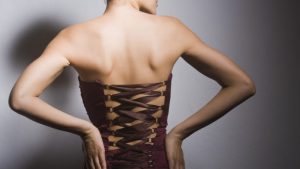
For a long time, waist training has been associated with the steel boned corsets. People use these corsets to make some of those fascinating hourglass figures. If the user of the corset can clinch the corset further tight, then the floating ribs of the users are rearranged by the corset along with some of the internal organs. In this manner, the woman can reduce the waist using the corset with a direct effect over the circumference of the waist. You will require continuous use of corset even after you have achieved the desired target because waist corseting had semi-permanent effects. In the recent times, some of the celebrities have altered the term of waist corseting. They have been using latex waist cinchers during their workout sessions. This practice is known as waist taming, and people are using it to make a slimmer belly.
Traditionally waist training was a routine activity. Women treat corsets as part of their bodies. However, with the recent redefining of the concept, now women focus on using the latex waist trainers during their workout sessions. Now, this is why waist training has become a part of the workout plan. A corset is one of the most common body shapes used around the globe. It has also been used by many as a part of their long-term weight-loss plan. The thermogenic shapewear is based on the design concept of these corsets. It is very useful that the medical experts have advised pregnant women to use these stainless steel girdles to reduce baby weight. It is an ideal device for FUPA fat spilling as well. Therefore, to get a perfect hourglass body, the corset has become a very useful waist training tool.
1. What is Waist Training?
A simple definition of waist training is the practice of using the corsets made from stainless steel boned for the purpose of altering the waist as per the requirement. Mostly the requirement is to get an hourglass shape. These corsets produce semi-permanent results. Therefore, the women have to wear it consistently for long lasting results. Women wear steel corsets for a variety of reasons. Some consider it to be a style statement while others use it for the purpose of back and posture support. Most of the women look to get that hourglass waist shape so they can turn some heads and parties and social events. The best part about waist training is that it is not linked with spot reducing, dieting or even losing weight. Women do not even need any abs exercise while wearing these girdles either.
The corset initiates reduction of space in the abdomen by reshaping the internal organs along with the floating rib cage. However, these corsets turn out to be useful when it comes to exercising and weight loss because while wearing these you are not able to eat much. Moreover, you have better control over your workout with the passage of time. It allows you to control your daily calorie intake as well. As many foods have deceptive ingredient to add more flavor. It is helpful to boost your metabolism which will burn your fat speedily. In this case, the Pavlovian negative reinforcement becomes very useful because getting that hourglass figure is not easy. For some people, it is more important than their entire beauty kit.
2. Is Waist Training a New Concept?
The idea of waist training is not a new one, and the corset training trend has been around for plenty of years now. The use of waist training corsets dates back to Victorian ages when these hourglass shapes were a prized property of women. The technique is in place for females to serve many purposes.
- Many women around the globe use these corsets to get back into shape after pregnancy.
- Some of them use it for the purpose of supporting their backs.
- For many women, it is a fashion statement.
During the earlier 16th century, these corsets were made from steel and looked like cages. The previous development is not known to the humans. In the earlier days, these corsets were part of the wardrobe. However, with the passage of time and particularly in the 17th century, these corsets became separate pieces from the garment. In the recent times, the punk movement during the 70s brought the trend of wearing old lingerie outwards, and this brought corsets back to light again. Many pop stars like Madonna and Cyndi Lauper have worn corsets for a long time. Now movie stars like Jessica Alba and Amber Rose wear these corsets and flaunt their curves around.
3. Waist Training vs. Waist Taming

There are many differences between these two procedures. Waist training refers to the traditional view of wearing the steel boned corsets as a daily routine and reduces the waistline by getting the corset tighter. With waist training, the position of the internal organs is rearranged, and floating ribs are also repositioned.
On the other hand, in the process of waist taming, corsets are not used. Instead, latex cinchers are used to serve the similar purpose. The cinchers also have the corset-like contraption but are more comfortable to wear. These latex waist trainers do not fall into the category of waist training. Even these workout waist cinchers have the ability to keep the belly well tight, yet they do not compete with the steel boned cage corsets. Therefore, these cinchers have been categorized separately and are not considered to be a true waist training. However, they do serve the same purpose to get a slim waist.
4. Why is Waist Training so Popular Now?
In the past, women use to wear it to get their body shape right. Surprisingly, men also loved to wear the corsets as well. Then it was brought to light again by the punk movement and from here on many celebrities start wearing corsets. However, waist training is somewhat different from corseting as the latter is done for just fun. Celebrities like Amber Rose, Kim Kardashian, Jessica Alba, Nicki Minaj, Beyonce and many others have been using corsets to celebrate their feminine nature. The primary reason is that girls are getting a lot of attention when wearing these corsets. As they look gorgeous wearing these classical corsets. It has also become popular because many of the regular day people share their waist training journeys on various social media platforms as well. Therefore, it is becoming a popular trend to get waist training.
[Read more about Waist Training]
5. Is Waist Training Dangerous?
Over the time, you might have heard a thing or two from people about how dangerous waist training can be. However, it all depends on how you tend to use it. There have been some cases that people have tightened the corset, and it crushed their organs. In fact, waist training is not dangerous at all. If you knew what you are doing and you are also adhering to the limits of your body, then there is no danger. The breaking in a corset allows you to get used to the girdle. It is also known as the seasoning and allows you to get comfortable during your waist training process.
The concept associated with ‘no pain, no gain’ is not applicable here. You do not need to tight the screws on your body. If you think, you are going through pain then lose them or stop using them altogether. There is no link between the ideas that better looks will only be gained through pains and discomforts. It is an old fashion myth. You have to be patient when you are using corset and don’t pressurize your body to adjust to the tightness straightaway. Being slow and consistent will keep you going for a long time.
6. How Long Do Results Take?
It is a very daunting question because waist training can influence different bodies in a different manner. It all depends on the genetics that human beings have, and this is what makes us distinct from each other. However, you need to make sure that you have changed your diet plans as well as exercise routines during your waist training sessions. It will give your waist training a long lasting effect. Most of the time, waist training does help out in reducing the diet, because the tightened corset enables you to consume lesser amount of meal. You can only focus on eating meals that provide you energy, and while doing this, you can also emphasize on your workout sessions. If this is going to be your daily routine, then you will be able to see some great results within a couple of month’s time.
Nevertheless, you need to make sure that you are following these steps on a daily basis if you want the results in best possible time. To improve your current body status, you have to wear it on a regular basis. Allow minuscule time gaps and make it part of your daily waist training.
7. What Results Can you Expect from Waist Training?
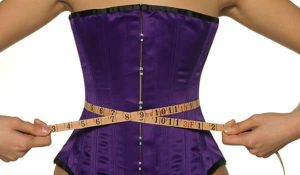
Again, reading the answer to this one is going to be fascinating for most of you. The results of waist training will only depend upon the following facts.
- How long you need to wear the corsets?
- For how many days you need to wear these corsets within a week?
- The tightness of the corset is also a major factor, and of course, it all depends upon your weight loss and waist training regime as well.
- The results also depend upon the genetic makeup of all the human beings. Two people with same waists will experience different effects during waist training. Even all other factors remain the same. Human bodies are very different and very unpredictable, and you cannot use a single pattern to make a prediction.
8. How Can I Remain the Results?
The simple, safe and sane technique to sustain the results is only possible through an increased use of these corsets. It is not about tightening the corsets on your body. Instead, you have to wear them for longer periods of time and keep wearing them for many days within a week. The best practice is to get used to your corsets as soon as possible. When you wear them, you are restraining yourself from eating less food, and this will control your diet. You can focus only on primary nutrients. During your exercise session, you will be able to burn more fat as your body become entangle within the grips of your corset. Because the body is struggling the brain will send stronger messages to your muscles, and this will make them work harder and burn the fat faster.
However, with that being said, if you want to get the best results from your waist training then you need to wear your corsets for longer times and more consistently as well.
9. How Do you Pick the Right Waist Training Corset?
It is perhaps the single most important question. Finding the right corset that not only suits your body type but also keeps you comfortable is imperative. Before choosing a corset, you need to decide what sort of boning you would prefer for your corset.
There are different types of boning available. Here we will discuss the most popular ones:
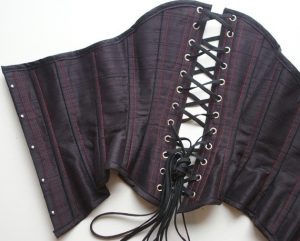
- There is a plastic boning which is ideal for making some bedroom statements, but they are not very useful if you have large busts.
- Another type is steel boning. Steel boning is of two kinds, one is flat steel boning, and the other one is spiral steel boning.
- Spiral boning is flexible hence provide better support and are more comfortable. However, if you have plans to wear your corsets for longer periods of time, then spiral boning option is the best for you.
- For the purpose of waist training double steel boned corsets are widely popular. Because they have double boning, they offer better support to your body as compared to the regular corset. If you are looking to have a significant change in your body shape than double steel boning corset is the ideal option for you.
- You also need to decide whether you require an over bust corset or an under bust. If you prefer to wearing a corset under your clothes, then under bust will move silently without anyone even noticing. However, it is not the case with over bust.
Now you have to make a decision that which type of corset you want to buy. If you want to buy a plastic corset, then you will be able to find one of these very easily at any shop. Though, if you are looking for a steel corset, then you need to do some research because they are not easily available.
10. What Does it Feel Wearing a Waist Training Corset?
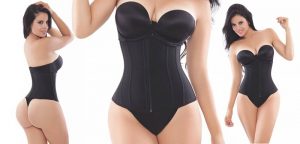
In the beginning, especially the first few days, you feel pretty uncomfortable. You will not be able to move your back or your whole body as swiftly as before. While sitting, you will be at most discomfort because you had a habit of doing everything with a relaxed and leisure-moving body. Now you need to be active, and in the first few days, you feel that your back and the abdomen area are working overtime. You will instantly think to get rid of your corset and ease your body up. Make sure that you go through regular sessions of exercise when you start your waist training. Start wearing corset without any exercise is not going to help you much.
During the training session, you will experience even more discomfort and pain, and this will get you going. Do your exercises regularly regardless of the pain you are feeling. With the passage of time, you will be able to feel better. During these times, you will feel agitated. However, you will feel motivation with positive results coming out as you feel you can get into your corset with relative easiness. It will not take long that you will feel incomplete without your corset on the days you have chosen not to wear it because it will become part of your lifestyle. At this stage, you will be thoroughly acquainted with your corset and will prefer to wear it whenever you need it.
Conclusion
If you are looking to use your corset during your waist training sessions, then you should prefer a custom-made design. Whether it is custom made or ready made, you need to make sure your body is in the comfort zone when you wear one of these corsets. Your body size, cloth and stitch preferences are crucial here as you do not want to pressurize your body too much. Hence, it is important that you buy the right corset for yourself so that you can wear it for an extended period and achieve what you are looking. One of the best waist trainer options you will find regarding quality and durability are Ann Chery corsets.
Waist Trainer Styles & How to Choose One
Not every waist trainer is built for the same job. Picking the right style for your lifestyle matters more than buying the tightest garment you can find. The four main types break down as follows.
| Style | Best For | Key Feature |
|---|---|---|
| Everyday Waist Trainers | Casual, formal or professional daily wear; popular with new moms, working moms and younger wearers | Sits invisibly under a dress or outfit |
| Steel-Boned Lace-up Corsets | Social occasions, events and costumes, as well as dedicated training | Flat steel busk with attached laces for an adjustable fit |
| Workout Waist Trainers | Cardio and strength sessions; an active lifestyle | Encourages intense sweating when paired with exercise |
| Vest Waist Trainers | Any occasion, from a regular day to a special event | Adds dedicated bust and back support |
Corset Features to Understand Before You Buy
- Hook & eye closures: typically offered with 2-row and 3-row adjustability so you can tighten as you progress; pull-on cinchers are the simpler alternative.
- Spiral steel boning: used for genuine tight-lacing and lasting structure.
- Modesty panel: a fabric panel worn behind the laces to prevent lace burn on the skin.
- Material: latex trainers usually have a cotton outer lining. Latex soaks up a lot of sweat, but the material itself does not reduce your waist, water weight or fat.
Sizing & Fit
- Petite: generally suited to wearers under 5’3″, or with a chest measurement below about 10.5 inches.
- Long: made for anyone taller than 5’8″ so the trainer fully covers the abdomen.
- Whatever the size, aim for a proper fit rather than the tightest possible garment (see the expert guidance below).
How to Start: A Beginner’s Wear-Time Schedule
Waist training is not an overnight process, and ramping up gradually is important. A common progression looks like this:
- Begin with around 3-6 hours a day to achieve noticeable results without overdoing it.
- After several months of consistent training, work up to roughly 10 hours a day, and some experienced wearers extend sessions toward 18 hours.
- Keep the schedule consistent day in and day out, since the long-term effect depends entirely on commitment.
For a one-off occasion such as a party or a specific dress, a trainer can take off roughly 2-3 inches temporarily, but that instant result fades once the corset comes off unless you keep training.
What to Realistically Expect
Because every woman’s proportions are different, waist training cannot guarantee the same outcome for everyone. One person may rave about losing inches while another sees almost no change.
- Body type matters: if you have a square-shaped or more athletic build, you should not expect a sharply defined hourglass figure. Managing expectations matters so you do not get discouraged and binge eat or drink.
- Early mood swings are common: some women report horrible mood swings during the first few weeks, which tend to turn more positive over the months as visible results appear.
- Pair it for permanent results: for healthy, lasting loss, combine training with cardio 3-5 times a week and a diet rich in fruit and vegetables rather than relying on calorie restriction alone. Overeating while training will not produce fruitful results.
Is Waist Training Safe? Side Effects & Expert Opinions
The keeper sections lean positive, so it is worth balancing them with what medical professionals actually say. In short, doctors are not denying that trainers create a temporary shaping effect, but they caution against expecting permanent fat loss and flag real risks.
Do Waist Trainers Actually Work?
Sellers often market trainers as a way to reduce water weight, shrink the waist, lose fat and cut food intake. Medically, simply wearing a trainer does not reduce waist size: the latex soaks up sweat, but the body returns to its original shape once the garment is removed. As Dr. Mary notes, the change does not last past taking it off. A cited study found that wearing a corset 12-16 hours a day for several months produced weight loss only because of an accompanying low-calorie diet, and participants found the corsets so uncomfortable that many stopped wearing them, leaving researchers no measurable change to record.
What the Experts Say
- Dr. Andrew Miller (plastic surgeon, New York and New Jersey): corset training does not eliminate fat cells. It can help indirectly by limiting how much you eat, since you feel full faster, but the same effect comes from simple portion control. Worn in moderation, it should not cause serious problems. He compares modern trainers favorably to medieval corsets, which used rougher material that could cut the skin and were made with no medical-safety concern.
- Dr. Caroline Apovian (professor of medicine and spokesperson for The Obesity Society): there is no reason to believe the post-corset shape lasts once it is removed; it is temporary, and you could just wear a Spanx instead. She warns that eating too much while corseted can force you to throw up, and her main concern is a potential bulimia risk among people who train.
- Dr. Amy Elizabeth Rothberg (assistant professor of internal medicine, University of Michigan): waist training can cause heartburn and acid reflux, because extreme abdominal pressure raises the diaphragm and presses on the esophageal sphincter. People who carry excess belly fat are more prone to this.
Side Effects to Watch For
- Risk of bulimia or being forced to vomit when overeating while corseted. (A Yahoo Shine blogger who tested a corset for a week said she felt like vomiting after eating Thai noodles.)
- Heartburn and acid reflux from pressure on the diaphragm and esophageal sphincter.
- Shallow, restricted breathing, which in extreme cases can lead to lung infections or pneumonia.
Expert Tips for Wearing Safely
- Do not buy a trainer that is as tight as possible; choose one that fits properly, and ask an experienced undergarment salesperson to measure you.
- Take the corset off when normal movements start to feel difficult.
- Loosen or remove it if breathing becomes hard.
- For new moms, a post-natal band can reduce baggy post-baby skin, but it must not be too tight on the rib cage.
Waist Training Around the World & in Pop Culture
Body-shaping traditions show up across cultures: China is known for foot binding, Burma for neck rings, and in America the corset has played that role. The garment dates back to the 16th century and has long been used by African and European women to achieve a curvy figure, which is part of why it keeps making a comeback.
Modern celebrity interest has fueled the latest revival. Kim Kardashian openly admitted being obsessed with waist training, Jessica Alba reportedly wore a double corset all day for months after giving birth, and stars such as J Lo have been associated with the trend, alongside a fashion-statement angle among “Game of Thrones” fans.