How Poor Posture Can Affect You
Bad posture is easy to overlook, but over time it can take a toll on your body and your mood. Here are some of the ways slouching may affect you:
- It can place extra pressure on your neck, shoulders, and back. Without proper support, this strain may contribute to muscle aches and tension.
- When your body is constantly hunched forward, your lungs have less room to expand, which may reduce how efficiently you breathe.
- Slumping can compress your abdomen, and some people find this makes issues like acid reflux feel worse.
- Research suggests that poor posture may be linked to higher stress and lower mood, as well as reduced self-confidence and productivity. Standing tall, on the other hand, can help you look and feel more confident.
The points below describe general wellness ideas, not medical treatment. If you have ongoing pain or a specific condition, please speak with a qualified health professional.
The Benefits of Good Posture
Good posture supports a healthier, more comfortable daily life. Sitting and standing in a balanced, upright position can help you feel less fatigued and more at ease. Below are some of the benefits commonly associated with good posture.
1. Joint Protection
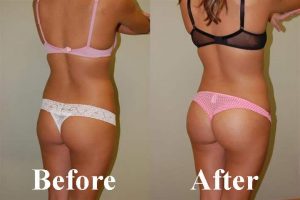
Source: http://www.hourwaist.com/
Sitting and standing upright helps distribute load evenly and may reduce unnecessary wear on your joints. When your bones and joints are properly aligned, your muscles can work the way they are meant to. A waist trainer may offer a gentle reminder to stay aligned, which some people find helps ease joint discomfort. Good posture supports long-term joint comfort and mobility.
2. Energy and Mood
There is a well-known connection between posture, mood, and energy. When you feel sluggish, standing up, moving around, and straightening your posture can help you feel more alert. Slouching is often associated with low mood, while sitting upright may help you feel more positive. To encourage better posture throughout the day, you might try gentle core support such as a waist trainer, or build a regular yoga practice.
3. Spine Support
Wearing a corset can provide a cinching, supportive feeling around the torso that reminds you to keep your spine upright instead of letting your head and shoulders drift forward. Some wearers feel this reduces strain on the ligaments that support the spine. Keep in mind that a corset is a posture aid, not a medical device, so use it in moderation and stop if it causes discomfort.
4. Easing Back Pain

A supportive corset may help some people maintain better alignment and feel more comfortable during long hours of sitting or standing. People who manage conditions such as scoliosis sometimes use specialized back support, but this should always be done under the guidance of a doctor. Maintaining good posture overall may help reduce everyday muscle aches and back strain. A waist trainer or corset is not a treatment for medical conditions, so check with a health professional before using one to manage any diagnosed problem.
5. A Confidence Boost
Standing tall can have a real effect on how you feel about yourself. Good posture tends to make people feel more confident and present, and that impression often comes across to others. Whether through yoga or wearing a waist trainer as a reminder, encouraging an upright posture may help you carry yourself with more self-assurance.
[Read more about Waist Training]
How to Sit Properly at Your Desk
When you study or work at a desk, applying a few simple ergonomic ideas can help keep your back comfortable and properly aligned. If an ergonomic chair is not in your budget, a lumbar roll, footrest, or waist trainer can offer extra lower-back support. Here are some practical tips:
- Keep a neutral, relaxed position while working at the computer.
- Position your screen at eye level, roughly 28 to 30 inches away.
- Keep your back straight with your shoulders relaxed.
- Rest your lower spine against the chair for lumbar support.
- Place your wrists so you do not have to bend them.
- Keep your elbows close to your body.
- Keep your keyboard and mouse at the same level.
- Position your knees at or just below hip level, without pressing against the seat.
- Choose a chair that can recline slightly forward when needed.
- Avoid crossing your legs, and keep your feet flat on the floor.
Posture-Improving Exercises
Exercise is one of the most reliable ways to improve posture. Look for movements that strengthen your core, including your lower back and abdominal muscles, which connect closely with your pelvis and spine. These muscles help stabilize your body in a natural, neutral position. Many core exercises are done in a slow, controlled way. Here are a few to try:
1. Side Leg Raises
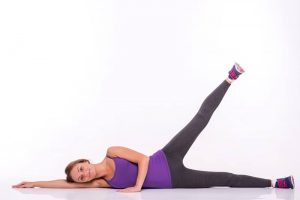
Lie down on one side and rest your head on your extended arm. Place your other hand in front of your body with the palm facing down. Keep your legs straight, then slowly lift the top leg as high as is comfortable. Pause, then lower it back to the starting position. It is a simple move that helps build the muscles that support good posture.
2. Hip Flexors
Kneel with one knee forward at about 90 degrees and the other knee resting on the floor. Keep your back tall and gently push your hips forward. Hold for 20 to 30 seconds, then switch sides. This may feel awkward at first, but it gets easier with regular practice.
3. Planks
Planks are a popular and effective core exercise. Start in a push-up position, but rest your weight on your elbows instead of your hands. Keep your torso and knees aligned so your whole body forms a straight line. Relax your head and look toward the floor. Hold for about 10 seconds, rest, then repeat.
4. Back Extensions
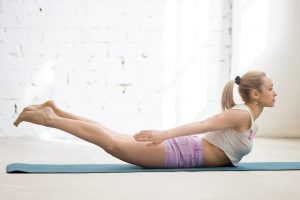
Lie face down on the floor and place your hands behind your head. Tighten your abs and gently squeeze your back to lift your chest a few inches off the ground. Aim for 2 to 4 sets of 12 to 16 reps, lowering your chest between sets.
5. Bridges
Lie on your back with your knees bent and heels flat on the floor. Raise your hips as high as is comfortable without moving your feet, squeezing your glutes and abs. Slowly lower back down and repeat 10 to 12 times.
How to Enhance Your Results
For the best results, combine good daily habits with consistent practice. Poor posture left unchecked can lead to neck, shoulder, and back discomfort over time, so it is worth being mindful of how you hold yourself.
1. Train Your Waist with Waist Trainers

Source: http://www.sheknows.com/
A waist trainer can help keep your spine and core in better alignment and serve as a reminder to maintain good posture. Any slimming or supportive effect is temporary and lasts only while the garment is worn, so think of it as one helpful tool alongside, not a replacement for, exercise and healthy habits.
2. Make a Waist Training Plan
Before you begin, take time to understand both the benefits and the risks of wearing a waist trainer, then decide whether it is right for you. The best approach is to ease in gradually. For the first week, try wearing it for only a few hours a day, then slowly build up over time as your body adjusts. Listen to your body, and never wear it so tightly or so long that it causes pain, numbness, or trouble breathing.
3. Adjust Your Sitting Posture
Stand up, take a short break, and do a few stretches so your arms, neck, and back feel relaxed. Many gentle stretches can help ease back and neck tension, such as back-flexion, lateral-flexion, and knee-to-chest stretches. Pairing these with regular strengthening exercises for the neck and back can help you maintain good posture day to day.
4. Avoid Overdoing the Exercises
Spinal health matters, so treat it with care. Try not to hold your back and neck rigidly stiff while sitting or standing. Instead, stay upright in a relaxed way, without slouching and without keeping your muscles constantly tensed. This lets you maintain good posture without straining yourself.
5. Choose the Right Waist Trainer
A well-chosen waist trainer can support better posture in several ways. Look for one with the right level of firmness that fits comfortably around your waist without pinching or restricting your breathing.
Conclusion
Good posture offers many benefits, from better joint comfort and aligned bones to less muscle fatigue and back strain. It can also ease pressure on your lungs and help you carry yourself with more confidence. Remember that a corset or waist trainer is only one tool. For lasting results, pair it with other healthy habits such as yoga, standing up after long periods of sitting, and regular stretching. It is highly recommended to consult your doctor for advice on maintaining good posture before you begin any waist training program.