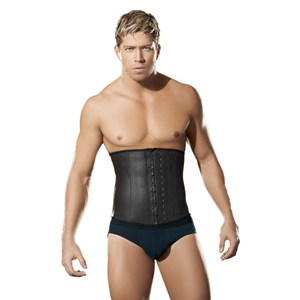
Once you get your first waist trainer, and especially after seeing the results that some celebrities credit to them, it is tempting to wear it as much as possible. A modern waist trainer (sometimes called a corset) can help create a smoother, more hourglass-shaped silhouette while you have it on. Keep in mind, though, that this shaping effect is temporary and lasts only while the garment is worn. Any lasting change to your figure comes from a healthy diet and regular exercise, not from the trainer alone.
This naturally raises a common question: can you sleep in a waist trainer, and is it bad for your health? Below we walk through who tends to try it, what to expect, the possible downsides, and practical tips for staying comfortable.
A quick note before you start: waist training is a personal choice, and everyone’s body is different. If you have any medical condition, are pregnant, or experience pain, breathing trouble, or other symptoms, talk to a qualified health professional before sleeping in a waist trainer.
Wearing a corset while sleeping is entirely your decision. You do not need to waist train overnight, but some people prefer to. Reasons vary, for example a dedicated waist trainer who wants to fit in more hours of waist training across the day. Wearing one around the clock (23 to 24 hours) is not recommended, so think of nighttime wear as one option among several, not a requirement.
Many enthusiasts aim for roughly 8 to 10 hours of wear per day, which can be hard to fit into a busy schedule. Some people wear a trainer during the daytime while at work. For others, certain fabrics, cuts, or job demands make daytime wear uncomfortable. If you struggle to find time during work hours, getting dressed in a trainer in the evening and sleeping in it can be one way to add hours, as long as it feels comfortable.
What Makes You Want to Try Sleeping in a Waist Trainer?
A waist trainer is adjustable and can help you feel more shapely while you wear it, so sleeping in one is a convenient way to add training hours. Here are the most common situations where people consider nighttime wear.
[Read more about Waist Trainer]
1. You Don’t Have an Around-the-Clock Waist Training Schedule
Wearing a waist trainer around the clock is not advisable, but overnight wear can be a convenient way to keep it on for several hours at a time. If you are serious about waist training, sleeping in it may help you reach your target hours, just listen to your body and stop if it becomes uncomfortable.
2. You Cannot Wear Your Waist Trainer as Much as You’d Like During the Day
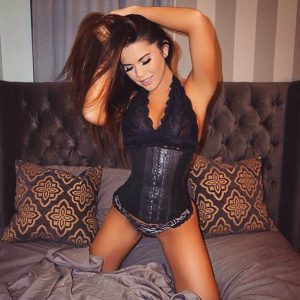
Your preferences, your style of dress, and your line of work can all make it hard to wear a corset throughout the day. Evening and night hours can be a more practical time, helping you reach 8 to 10 hours of daily wear. Once you have built up regular nighttime wear, there may be no need to add daytime wear on top of it. (Source: yusupovoleg.tumblr.com)
3. You Want to Maintain Your Waistline After Reaching Your Goal
Finished your main waist training phase but still want to keep that shape? Wearing a waist trainer at night can be a gentle way to maintain your results, rather than wearing it all day. Remember that maintaining your figure long term still depends on your overall diet and activity.
What to Expect with Nighttime Waist Training
Whatever your reason, sleeping in a waist trainer is doable, but your experience will depend on how you sleep and the type of trainer you wear.
Everyone is different. Some people are light sleepers and others sleep deeply; some stay still while others toss and turn. The firmness of your mattress and whether your pillows are fluffy or flat also make a difference. All of these factors affect how a trainer feels overnight, so here is what to consider.
1. Sleeping Positions Matter
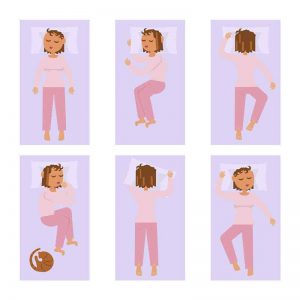
There is ongoing debate about whether a corset helps hold the body in a neutral position or simply adds wear and friction. Many people find shorter, lighter corsets the most comfortable to sleep in. Your usual sleeping position is one of the biggest factors in comfort.
Back sleepers: If you mostly sleep on your back, your hips and pelvis may sag, especially on a softer mattress or one with a dip. Support the natural curve of your lower back to stay comfortable. Placing rolled towels or small pillows under your knees or lower back can help distribute your weight and ease pressure on your spine.
Side sleepers: Because the torso stays rigid, side sleepers can find it harder to settle, and a gap may appear between the mattress and the corset. Depending on the firmness of your trainer, your hips may shift in a way that interrupts sleep. The fix is to cushion those rigid curves: place a pillow between the mattress and your waist to keep your hips and spine aligned, and add a towel or pillow at your back, hips, or between your knees to relieve extra pressure.
Tummy sleepers: If you tend to sleep on your stomach, a few adjustments help. Latex cinchers are often more comfortable than steel-boned corsets here, partly because of the busk at the front. You may also feel pressure on your neck and head because your spine cannot curve freely, so try sleeping with a thin pillow or none at all, ideally on a softer surface such as a pillow-top mattress. Be aware that some people experience more acid reflux in this position.
[Read more about Steel Boned Corset]
2. The Type of Mattress and Pillows
Comfort and sleep go hand in hand. If sleeping in a corset feels uncomfortable, experimenting with pillow placement is usually the best first step.
Your mattress and pillows strongly affect how restrictive the experience feels. Avoid very hard beds when you plan to sleep in a trainer, since the trainer already keeps your torso firm and stiff. Choose a supportive mattress with suitable materials and adjust the number of pillows to your comfort, keeping the sleeping positions above in mind.
You May Also Experience These
1. It Can Be Uncomfortable
Good sleep matters. If you do not feel comfortable, you may struggle to fall asleep, and poor sleep can affect your health over time. A waist trainer can feel constricting, and the pressure on your waist is hard to ignore when lying down, which can make it difficult to nap or sleep for many people. Choosing a high-quality, adjustable trainer can help, and many people find they stop noticing it once they get used to it.
2. Acid Reflux

Because a waist trainer compresses your midsection, it can press on your stomach and may push stomach acid back up toward the esophagus, leading to heartburn or acid reflux. You can reduce the risk in several ways:
- Avoid eating late at night, especially sugary or acidic foods.
- Finish snacks or meals at least 2 to 4 hours before bed.
- Elevate your upper body so gravity helps keep stomach acid down, using a wedge or an extra pillow.
If acid reflux is already a serious problem for you, sleeping in a waist trainer may make it worse and could aggravate sleep problems such as insomnia or conditions like sleep apnea. In that case it is best to skip nighttime wear and check with your doctor.
3. Nighttime Bloating
You may feel fuller in the abdomen at night as your body rests and digestion continues. To ease any discomfort, loosen your corset, switch to a latex waist trainer, or wear an older, slightly looser garment instead of lacing tightly.
4. Wear and Tear
Trainers can wear out faster with nighttime use because of the extra friction from rolling around and natural oils from your skin transferring onto the fabric and sheets, which can dull the outer color over time. Lying down can also put uneven pressure on different panels, since corsets are designed to hold the waist in an upright, neutral position rather than a reclining one.
5. Excessive Sweating
Few things are more annoying than feeling hot and sticky while sleeping. Overheating makes it harder to fall asleep and can interrupt your sleep cycle, waking you several times a night. A trainer limits airflow around your waist, and a blanket on top adds to the warmth. To stay cooler, keep your bedding light and look for trainers made from breathable materials designed to maximize airflow.
Tips for Sleeping in a Corset
- Limit your liquids before bed. Drinking a lot late at night means more trips to the bathroom, which interrupts sleep. Cut back on fluids as bedtime approaches.
- Take it off for a while first. Removing the trainer for a few hours before you go to bed lets your body breathe freely, then you can decide whether to put it back on for sleep.
- Start with a nap. Not sure if sleeping in a corset suits you? Begin with a short nap so you can notice any discomfort and adjust. If it hurts, or you wake up with trouble breathing, take the trainer off right away.
- Try different types. Comfort varies a lot between styles. Experiment with different corsets before giving up until you find the one that fits you best.
- Get a dedicated nighttime trainer. A garment made for sleep can apply gentle pressure to your waistline with less discomfort.
Best Waist Trainers for Nighttime Wear
For comfort, it usually works best to invest in a dedicated “sleeping waist trainer” or to use an older, larger, well-worn garment. Here are a couple of popular options.
1. Ann Chery Waist Trainer and Shaper
The Ann Chery Waist Trainer and Shaper is a popular, well-reviewed product.
- Why it suits nighttime training: It is made from latex that supports and cinches the waist while aiming to feel less suffocating than many girdles. The inner cotton lining adds comfort and helps reduce friction or latex-related skin irritation, and the soft elastic mesh keeps it flexible and easy to wear at night.
2. Ann Chery Women’s Faja Deportiva Workout Waist Cincher
The Ann Chery Women’s Faja Deportiva Workout Waist Cincher is another favorite.
- Why it suits nighttime wear: It is built for movement, so you can wear it when you are active, running, or at the gym, and it transitions comfortably to rest as well.
Whichever trainer you choose, treat waist training as one part of a healthy lifestyle. For real, lasting results, pair it with a balanced diet and regular exercise, and check in with a qualified health professional if you have any concerns.