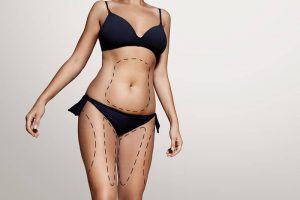
The goal of waist training is to create the appearance of a smaller waist by gently shaping the area around your ribcage, abdomen, and hips. By compressing the midsection and engaging your front abdominal and oblique muscles, a waist trainer can give your figure a more contoured look while it is worn.
It is important to be realistic: the slimming effect you see while wearing a trainer is temporary. Any lasting change in your body comes from a consistent routine of healthy eating and regular exercise, not from the garment alone. A waist trainer may help support that journey when paired with commitment to your overall health.
There are also many postpartum girdles, belly wraps, and exercise bands designed to support and tone your body. These products are made to compress and shape the midsection comfortably, but they work best alongside, not instead of, a healthy lifestyle.
This article is for general information only and is not medical advice. Before starting waist training, especially after pregnancy, surgery, or if you have any health conditions, please consult a qualified doctor or health professional.
How to Choose a Waist Trainer or Cincher
Choosing the right product can feel confusing. Before you buy, get clear about your own needs and goals. The market ranges from poorly built trainers to well-made, high-quality ones, and the same garment will not feel or perform the same for everyone. Pick a waist trainer based on your body structure, your comfort level, and how you plan to use it.
1. Understand How a Waist Trainer Works
 Source: https://www.pelvicexercises.com.au
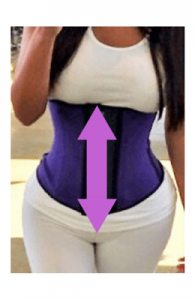
A waist trainer is a tight-fitting garment that wraps around your midsection and tummy. While worn, it compresses the area and can give you a smoother, more defined waistline. This shaping effect lasts only while the garment is on.
Used sensibly and according to the manufacturer’s guidance, a quality waist trainer is generally well tolerated by most people. Still, comfort and your own body’s signals should always come first.
2. Know the Difference Between a Steel-Boned Corset and a Waist Trainer/Cincher
There are several differences between a waist cincher and a corset:
Steel-boned corset:
- A steel-boned corset has thin steel bones built in, which give it a firmer structure and a stronger shaping effect than a regular cincher while it is worn.
- The added structure can feel a little stiff at first, though a professionally designed corset is usually more comfortable than a cheap one.
- For the best shaping, a steel-boned corset should fit snugly. It can also help define your silhouette and accentuate your figure.
[Read more about Steel Boned Corsets]
Waist trainer/cincher:
- These are garments designed to compress and smooth the tummy area while worn.
- They are usually more comfortable than a steel-boned corset, but offer a gentler shaping effect.
- They hold firmly against your waist.
3. Consider Stealth Corseting
Stealth corseting has become popular because it is discreet and easy to use. These corsets typically include steel boning for a firmer shape, and they can be worn under your clothes so no one can tell. Many women prefer this approach for everyday waist training. As always, listen to your body and do not wear it so tightly that it causes discomfort.
4. Know Which Waist Trainer to Wear, and When
The right time to start waist training is a personal decision. Only you, ideally with input from your doctor, can judge whether your health is ready for it.
Women who want to ease back toward their pre-pregnancy shape after giving birth should choose based on their comfort and, importantly, their doctor’s guidance on timing. The right choice also depends on your body structure and flexibility, and results vary widely from person to person, some notice changes quickly while others see little difference.
- If you gave birth vaginally, a pull-up style girdle is often a good fit.
- If you had a C-section, a belt-style trainer such as the Camellias women’s waist trainer belt may be more suitable, once your doctor confirms you are healed.
5. Measure Your Natural Waist Size

Measure your waist accurately before buying a trainer or cincher. You can ask a tailor to take the measurement for you, or carefully measure it yourself at home with a tape measure.
6. Ensure a Proper Fit
A proper fit is crucial. Your trainer should never cause pain. Wearing it too tight can put pressure on your internal organs, restrict your breathing, and reduce your appetite, none of which is healthy. On the other hand, a trainer that is too loose will slip and do little. Aim for a snug but comfortable fit, and loosen it if anything hurts.
7. Choose a High-Quality Waist Trainer
If you are serious about shaping your figure, it is worth investing in a good waist trainer. Quality varies widely. A well-made trainer is more comfortable, more durable, more discreet, and more effective at shaping than a cheaply built one, and it is less likely to irritate your skin.
How to Wear a Waist Trainer
Before you start wearing a waist trainer, keep the following points in mind.
1. Strengthen Your Core Before and During Waist Training
A strong core helps your body adapt to the gentle pressure of a trainer. To build and maintain that strength, stay hydrated, eat a healthy and nutritious diet, and include regular core exercises in your routine. Be mindful that relying on a corset for long periods can let your core muscles weaken, so keep exercising rather than depending on the garment.
2. Know How to Put On Your Waist Trainer
 Source: http://www.bionicbodyz.com
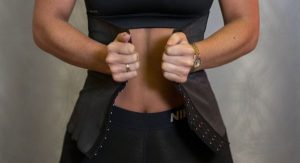
You can wear a waist trainer either beneath your clothes or over them. It will add warmth and may cause you to perspire around the midsection.
- Wrap the trainer around your midsection and start fastening from the bottom hook.
- Work your way upward, fastening one hook at a time until they are all closed.
- If it feels too tight, leave one or more of the top hooks undone.
- Straighten and adjust the trainer so it sits smoothly and comfortably.
3. Break In (Season) Your Corset
Seasoning is the process of gradually breaking in a new corset so your body and the garment adjust to each other. A well-seasoned corset should never feel too tight, it should feel like a gentle hug. Start by wearing it for just a couple of hours, then slowly increase the time over several days as your body grows accustomed to it. Tighten only to a level that stays comfortable.
4. Don’t Tighten Too Much, Too Fast
There is no benefit to lacing a waist trainer very tightly, and doing so can cause real problems for your health. Aim for a snug fit that neither weakens your muscles nor causes pain. The garment should feel like a hug, and you can leave some hooks undone if needed.
5. Slow and Steady Wins the Waist
Some people give up on waist training after a few days because they expected instant change. In reality, results take patience and consistency, and they are never guaranteed. Combining waist training with regular exercise gives you the best chance of progress, since exercise raises your activity level and helps your body burn calories, which is what actually drives fat loss.
6. Give It Time to See Results
 Source: http://www.newhealthadvisor.com/
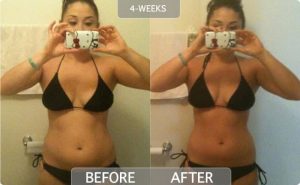
Some people begin to notice a difference after about four weeks of consistent use, but this varies a great deal. The amount of weight loss you achieve depends on you and on factors like body type, genetics, diet, lifestyle, and consistency. Remember that a waist trainer mainly shapes your figure while worn, real, lasting results come from pairing it with a sensible diet and an exercise plan.
7. Plan Your Outfits
Many people feel anxious about their figure and worry they can no longer wear the clothes they love. With consistent effort, a healthy routine, and proper use of your cincher, you may find it easier over time to feel confident in your favorite outfits again.
8. Know When to Take It Off
Wearing a waist trainer for too long can have a negative effect on your health. As a general guideline, avoid using a corset for more than six to eight weeks of continuous daily wear, and take it off whenever it causes pain or discomfort. Overuse can lead to muscle pain and weakness. If you have any concerns, consult a doctor or physician for proper guidance.
9. Keep It Clean
Keep your corset clean before and after use. A high-quality trainer is more reliable and durable, and many include a thin fabric layer for added comfort. An unclean garment can cause skin irritation and rashes, so wash it as directed by the manufacturer.
10. Adopt a Healthy Lifestyle

A healthy lifestyle is the foundation of any body-shaping goal, and it matters far more than the trainer itself. To support healthy weight management:
- Choose balanced, lower-calorie meals.
- Stay hydrated by drinking plenty of water.
- Cut back on alcohol and sugary, carbonated drinks.
- Move regularly and stay active.
Conclusion
For many people, waist training has become one part of a broader effort to feel more confident in their bodies. Used responsibly, a quality waist trainer can help shape your silhouette while worn, but it is not a shortcut and offers no guarantees.
The real path to your goals is a combination of the right waist trainer, regular exercise, and a balanced diet, supported by guidance from a health professional. With patience and consistency, you can work toward feeling comfortable and confident in your own body.