The “corset diet” is a popular approach that involves wearing a waist-cinching corset for part of the day with the goal of feeling slimmer and encouraging more mindful eating. It does not rely on supplements or a strict meal plan. Many women like it because a fitted corset can give an instantly smoother silhouette under clothing and may help them feel more confident.
It is important to be realistic, though. Any “slimming” you see while a corset is on is temporary shaping, not fat loss. Lasting weight change still depends on a balanced diet and regular activity. If you are curious about how this fits with a broader routine, you can also read about waist training and weight loss.
1. What Is the Corset Diet?

Despite the name, the corset diet is not really a food diet. It centres on a structured garment that wraps the torso from the chest to the hips. The corset is typically laced at the back and made from firm, supportive material.
Its structure gently compresses the midsection and creates a more defined waistline, which can emphasise the bust and hips. It is usually worn under clothing and can be worn at home or out and about.
Many wearers ease into it by using the corset for longer stretches over time so it conforms comfortably to their posture. As your shape or comfort level changes, you may lace it a little more snugly or move to a better-fitting size. Comfort should always come first.
2. Does It Work?
The corset diet does not set rules about specific foods or calorie counts. Instead, the idea is that a snug corset leaves less room for very large meals, which some people find encourages smaller portions and more controlled eating habits over time.
If you want to try it, keep these points in mind:
- Water is not restricted at any time.
- Many guides suggest avoiding solid food in the couple of hours before you take the corset off.
- A custom-made corset, fitted to your own measurements, tends to be more comfortable and supportive than a generic size.
A well-fitted corset can be more comfortable to wear for longer periods, but no corset is “side-effect proof.” Any portion changes come from comfort and habit, not from the garment burning fat on its own.
3. How Do You Use It?
Corsets have been used for centuries to shape the body, and historically they were rarely customisable. Today they come in many styles and can be made to a person’s measurements and preferences, which makes for a better and safer fit.
A corset is traditionally worn as an undergarment covering the body from the hips to the chest, with supportive boning and back lacing that can be tailored. You may need to take it off and re-adjust the laces a few times to find the right fit. Avoid lacing it so tightly that it presses uncomfortably on the stomach, as overly tight cinching can be harmful.
A few simple items make getting dressed easier:
- Pants or a skirt
- Undergarments
- A long mirror
Because the corset is fitted, you naturally cannot eat as much in one sitting. Drinking water while wearing it is fine. Before starting, it is a good idea to talk to your doctor, especially about any eating changes you are considering.
4. Are There Side Effects? A Cautious Look
As with anything, more is not better. Wearing a corset too tightly, or for too long, can cause real problems. Excessive lacing may bruise the skin or cause rib pain, restrict the muscles you breathe with, and slow your breathing. If you have a digestive condition such as irritable bowel syndrome, the added pressure on the abdomen may make symptoms worse.
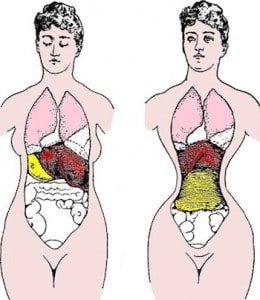 Source: chiropractorfrederickmd.com
Possible side effects that have been associated with tight or prolonged corset wear include:
- Faintness
- Bloating
- Indigestion
- Chronic back pain
- Spine problems over time
- Hernias
- Heartburn / acid reflux
- Shortness of breath
- Reduced lung capacity
- Reduced blood flow to organs
- Chafing
- Difficulty swallowing
- Urinary incontinence
So never lace a corset tighter than is comfortable. It should feel like a gentle, supportive hug, never a painful squeeze. If you have any health conditions or experience discomfort, stop and check in with a qualified health professional.
5. Is It Just a Fad? A Celebrity Story
The corset diet has been talked about by some commentators as a way to limit how much your stomach can hold before and during meals, almost like a non-surgical version of feeling fuller sooner. It is worth being skeptical of bold marketing claims here: there is limited medical evidence behind the approach, and a corset is not a substitute for medical weight-management tools.
Actress Jessica Alba is one celebrity who has spoken about using a corset (often called a “double corset” routine) after her pregnancies to help regain her pre-baby shape, reportedly wearing one for several months. She has also said that anyone trying it should look after their diet and check in with their doctor. Stories like this can be motivating, but individual results vary widely and are not a guarantee of what any product will do for you.
6. What Actually Happens to Fat?
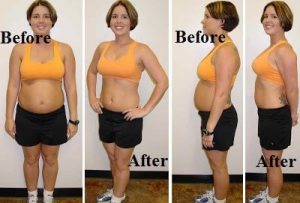
Corset makers often suggest wearing the garment for many hours a day, but here is the honest physiology: your body only loses fat when you burn more energy than you take in. A corset does not change that equation on its own. You might sweat a little and temporarily lose a small amount of water weight, but the corset itself does not melt or eliminate fat.
When your body needs energy, it draws on triglycerides stored in fat cells and converts them to fuel. That process is driven by an energy deficit from eating well and moving more, not by waist compression.
Because very little robust medical research supports the corset diet, the main effect people report is simply feeling less hungry, which can lead to eating a bit less. In that sense the corset works mostly as a reminder to be mindful of portions, rather than as a fat-loss device.
7. It Works Best Alongside Exercise

Building overall strength and lean muscle through regular activity is what genuinely helps you feel firmer and more energetic, and an active lifestyle is one of the best ways to manage belly fat as part of a healthy routine.
A tight corset restricts movement, so do not exercise while wearing one. Instead, look for everyday ways to burn more calories and add a regular workout routine. Even a modest amount of weekly activity helps. Pair sensible movement and balanced eating with the corset rather than relying on the corset alone, and consider working out your abs separately.
Other Things Worth Knowing
- Beyond portion control, a corset can encourage more upright posture while you wear it.
- It limits how freely you can bend, twist, and stretch, so move carefully.
- A customised corset gives the best balance of fit and comfort.
Long-term or overly tight corset use can put real strain on your body, so pay close attention to how you feel and, ideally, use it under the guidance of a knowledgeable professional.
A corset can also support the lower back by helping you sit and stand more upright. Just make sure it is never laced so tightly that it restricts your breathing, and remember it will reduce how easily you can bend down.
A good corset fit should feel like a gentle embrace, not a harsh restriction. As you get used to it, you might lace it a little more snugly or move to a smaller girdle for a better fit. A sensible way to start is to wear it for just a couple of hours and gradually build up over time. Give your body a day or two to adjust when you first begin, and please consult your doctor promptly if you feel any discomfort.
A note before you start: the corset diet is not a medically proven weight-loss method, and a corset cannot treat, cure, or guarantee anything. Use it as one optional part of a healthy lifestyle, and talk to a qualified doctor or registered dietitian before making changes, especially if you have any existing health conditions.