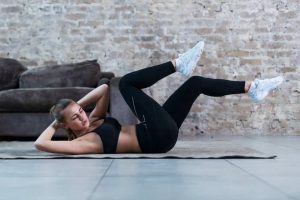
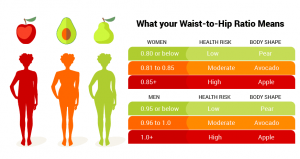
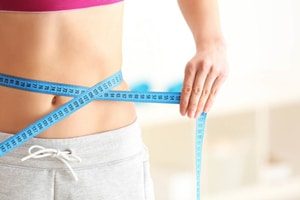
Many women want to look and feel their best at any age, and a strong, toned midsection is high on a lot of people’s wish lists. Well-defined abs have become a fitness symbol for men and women alike, partly because we constantly see celebrities showing off their physiques. The truth most people overlook is simple: those abdominal muscles are already there. They are usually just hidden beneath a layer of body fat, so building visible abs is as much about overall fat loss as it is about strengthening the muscles underneath.
 Source: http://www.muscleandfitness.com/
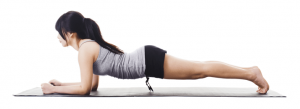
If you want to work toward a flatter, firmer belly, focusing on your core is a smart starting point, and plank exercises are one of the most effective ways to do it. Planks help condition the body at its center, and they are a staple of most core-strengthening routines.
Planks are not just for your midsection, either. They also engage your hamstrings and glutes, help improve your balance, and support good posture. Like any exercise, they burn some energy and can contribute to fat loss when combined with a balanced diet and a consistent workout routine. Keep in mind that you cannot “spot reduce” fat from one area, so reducing belly fat comes down to your overall calorie balance over time, not any single move.
Planks are also a gentler, breathable alternative to the tight corsets some people use in the hope of trimming their waist or belly fat. A corset can change how your waist looks while you wear it, but any slimming effect is temporary and goes away once it comes off.
Why Planks Are Worth Your Time
 Source: http://www.fitstream.com/
Planks are one of the most efficient core exercises, and they have stood the test of time in the fitness world. Part of their appeal is that they take only a few minutes a day yet deliver solid results compared with many other exercises.
Because planks strengthen the deep muscles of your core, they can help you build firmer, stronger abs over time. Many people prefer them to tight, breath-constricting corsets, which can compress the rib cage and crowd internal organs when worn too tightly. For most people, planks are a more natural and comfortable alternative to corset training.
Planks are also a great way to counteract a sedentary lifestyle. A strong core does more than look good: the abdominal muscles support your back and help keep your spine in proper alignment. When these muscles are strong, you may be less prone to certain back and abdominal injuries. The key, as with any exercise, is consistency, which is exactly why a regular plank routine is so valuable.
As always, if you have an existing injury or health condition, check with a qualified health professional before starting a new exercise program.
Ten Plank Exercises for Stronger Abs
Here are ten plank variations to help you build a firmer, stronger core. Do them regularly for the best results.
1. Plank to Pike
Plank to Pike is great for building core stability and improving mobility through the hips and spine.
- Start in a plank position, resting on both elbows directly underneath your shoulders.
- Keep your feet about hip-width apart, with a towel under your feet so they slide easily on the floor.
- Keeping your legs straight, raise your hips and slide your feet toward your hands into a pike position.
- Hold the pike for one count, then return to the plank position.
- Repeat ten times.
2. Twister Plank
Start in a plank position with your arms straight and hands beneath your shoulders. Lower onto your left side, keeping your elbow under your shoulder so your hips stack and you can lift yourself up through the hips. Reach your right arm straight up over your shoulder, then bring it back down to complete the twist. Switch sides and repeat with the other arm. Aim for 10 to 12 repetitions.
3. Plank Out
Stand with your feet hip-width apart, then crouch down and touch the floor with your fingertips. Keeping your feet planted on the mat, walk your hands forward, using your core to control the motion, until you reach a full plank position. Reverse the movement and walk your hands back in toward your toes. Repeat 8 to 10 times, depending on your ability.
4. Rolling Plank
Position your arms one over the other and get into a forearm plank. Keep your abdominal muscles contracted and your hips down to build a solid base. Roll open into a side plank, lifting your arm and hip up while your other forearm supports you, and hold with your body straight. Return to the starting plank, then roll to the other side and repeat. Aim for ten repetitions.
5. Tick Tock Plank
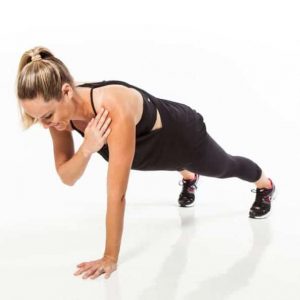 Source: http://www.lorensworld.com/
Start in a high plank with your body straight and your arms extended beneath you. Jump your right foot out to the side while keeping your shoulders and hips steady, then quickly jump it back in. At the same time, jump your left foot out to the left. Continue alternating sides for as many repetitions as you can comfortably manage.
6. Walking Plank
Get into a forearm plank and “crawl” forward while engaging your core the whole time. Keep your shoulders and hips square to the mat as you move your right foot and right elbow, then your left foot and left elbow. Reverse the direction to return to the start. This one demands extra effort and strength, so 2 or 3 rounds is plenty.
7. Side Plank with Hip Dip
Start in a side plank with your forearm on the floor and your elbow under your shoulder. Keeping your balance and control, drop your right hip toward the ground, stopping a few inches short, then press back up to the starting position. Do 12 to 15 repetitions before switching sides.
8. Bosu Plank with Hip Extension
Get into a plank position holding the edges of a Bosu ball with the dome side facing down. Engage your core, lift your right leg, then lower it back to the start. Do 8 to 10 repetitions, then switch to your left leg.
9. Stir the Pot
Kneel behind a Swiss ball with your forearms on the ball and your elbows under your shoulders. Holding a steady plank position, move your arms in a clockwise circle for five small “stirs,” then switch to counterclockwise for five more. Five rounds is a good target.
10. Plank-up with a Twist
Start in a forearm plank. Press your right hand into the ground, then your left, rising into a high plank. Rotate your body to the right and reach your left arm straight up into a side-plank variation. Scissor your left leg over the top of the other leg, with the inner side of your left foot facing forward and the outer side touching the ground. Return to your plank, lower your right forearm and then your left back to the start, then switch sides. Repeat 8 to 10 times.
How to Eat Well While Waist Training
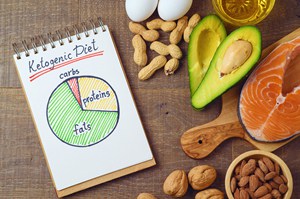 Source: https://news.usc.edu/139974/best-diet-plan-usc-doctors-evaluate-4-popular-trends/
To see the results of these exercises, what you eat matters just as much as how you train. A healthy, balanced diet helps make your progress more visible. So what should you reach for, and what is worth limiting?
1. Eat Smaller, Regular Meals
We don’t recommend crash dieting. Instead, you can split your three main meals into smaller portions spread through the day if that suits you. Skipping meals while waist training can leave you under-nourished and may cause more harm than good. Be sure to drink plenty of water throughout the day to stay hydrated.
2. Choose Foods Rich in Vitamins A and C
Foods rich in vitamins A and C support your overall metabolic function and provide antioxidants that may help your body manage oxidative stress. Good sources include eggs, tomatoes, papayas, carrots, apricots, liver, red peppers, and sweet potatoes. You can also blend many of them into juices or smoothies if you prefer.
3. Include More Probiotics
Probiotics may help support digestion, ease bloating, and maintain a healthy balance of bacteria in your gut. Foods rich in probiotics include yogurt, pickles, miso, kefir, kimchi, and natto.
4. Eat Potassium-Rich Foods
Potassium is a key mineral for managing fluid balance in the body, and getting enough of it (while keeping sodium in check) may help reduce temporary water retention. Good sources of potassium include avocado, spinach, sweet potato, beans, banana, and edamame.
Foods to Limit
1. Soda
Even diet soda often contains sweeteners, and the carbonation can introduce gas into your stomach, which may leave you feeling bloated.
2. Alcohol
Many cocktails are high in sugar and calories, which can work against your goals. If you do drink, a simple option like vodka with water tends to be lighter than a sugary mixed drink.
3. Takeout
Takeout is convenient and tasty, but it is often high in fat and sodium, which can leave you feeling bloated and work against your progress. No matter how busy you are, try to lean on healthier choices most of the time.
Using a Waist Trimmer Belt Alongside Your Workouts
Some people like to wear a waist trimmer during their plank workouts. A trimmer can help you keep your torso upright and may make it easier to feel and engage your abdominal muscles as you move.
It is worth being realistic about what these belts do, though. Waist trimmers are usually made of neoprene, which does not absorb sweat and warms the midsection so you perspire more in that area. That extra sweat means a temporary loss of water weight, not fat, and your waist returns to normal once you rehydrate. A trimmer is a workout accessory, not a fat-loss device. Lasting results still come from consistent exercise and a healthy, balanced diet, and it is always a good idea to consult a qualified health professional before starting any new fitness or diet plan.