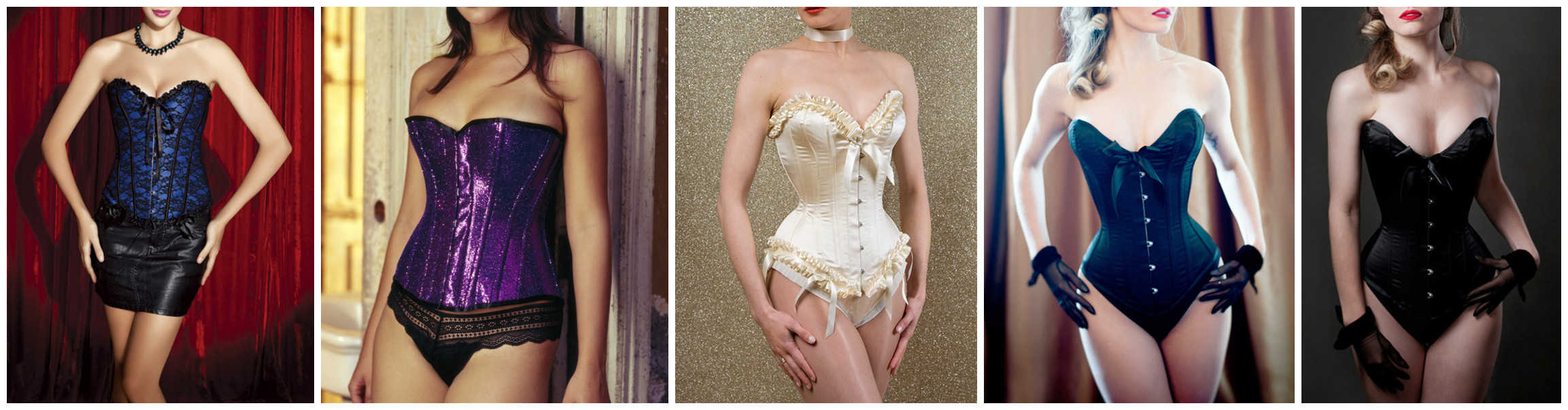
An overbust corset covers the upper part of the body, from just above the bust down to the hips. It is the most familiar style of corset and can be worn both as lingerie and as a standalone top. These corsets come in a wide variety of styles, colors, materials, and designs. Once you start shopping, you may be amazed at the selection, which ranges from functional garments to fancy fashion statements. Choosing the right one is usually a question of both fit and style.
Why Choose an Overbust Trainer
An overbust corset does more than trim the waist; it can change a woman’s entire silhouette while it is worn. You can choose to showcase your figure or tone it down. Because the corset cinches the waist, the bust tends to look larger in proportion to the rest of the body, which many women find flattering.
What Shape Do You Want to Create?
To shape your look, first consider your body type:
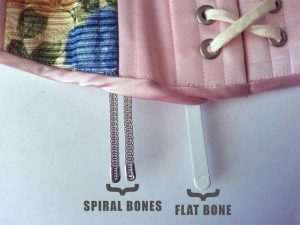
- Larger bust: An overbust corset with more structure and support is often a good choice. Steel-boned corsets give added support and can be more comfortable than expected. For a firmer, tighter fit they tend to be a better option than lightly laced styles. If you prefer to minimize the bust line, you can choose a design made for a smooth, streamlined look.
- Smaller bust: You have several options. The cut of an overbust corset lifts and pushes the breasts upward, much like a push-up bra, and inserts or padding can enhance the effect further, increasing the appearance of the bust line.
An overbust design follows your natural curves and can create the appearance of curves on both sides of the body, producing the familiar hourglass look. Keep in mind that any slimming or shaping effect lasts only while the corset is worn.
Determining Your Purpose
Corsets are used for many different purposes, so it helps to decide what you need before you buy. Some are chosen mainly for waist training, while others serve as costumes for a special event or a private romantic evening.
- Costume wear: Pair the corset with the right accessories, such as a flowing blouse underneath for a medieval look, or a brightly colored skirt for a cabaret or can-can style.
- Casual or edgy: Wear your corset with jeans for a relaxed look, or with a leather skirt for something bolder.
- Steampunk: Either an underbust or overbust corset can anchor this Victorian-meets-science-fiction style. Add the accessories that make you feel most confident.
Size Does Matter
When buying a corset, sizing is extremely important. An ill-fitting overbust corset is uncomfortable and unflattering. (The same applies to the underbust corset; you can read more in The Search for Underbust Corsets.) You need to know your cup size so the corset fits snugly without gapping.
- Shorter corsets leave a little skin visible at the bottom and highlight a trim, toned stomach.
- Longer corsets offer full coverage for the tummy and are the better choice for waist training, though they can make some movements slightly more awkward.
How to Measure Yourself
Don’t rely on your current bras to guess your size. It is far better to have someone help you measure for accurate results. You will want to record three measurements:
- Hips: measured at the top of your legs, which many people think of as their waistline.
- Natural waist: the thinnest part of your waist.
- Underbust: taken at the bottom of your bra, right at the top of your ribs.
While measuring, keep the tape close around the body but not so tight that it makes the skin bulge. The fit should be snug, not tight. To find your cup size, measure the fullest part of your bust. Many online charts explain how to combine your underbust and overbust measurements into a correct cup size. These measurements are essential for finding the most comfortable fit when you go corset shopping.
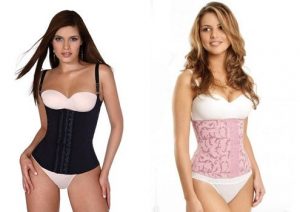
The right size and fit determine whether the corset looks good, feels comfortable, and offers the support you want. A corset is designed to fit specific points on the body, resting at those points to provide support and create a curvy shape. For waist training, choose a corset about four inches smaller than your natural waist. Waist trainers have hooks at several positions so you can tighten them gradually over time.
What to Expect on Price
High-quality corsets can be expensive, and many cost well over $100. A custom-made corset can run into hundreds or even thousands of dollars. Well-made corsets are often worth the investment, because with proper care they can last for many years. Cheaper corsets use inferior materials and craftsmanship and tend to need replacing more often, making them better suited to infrequent use such as a costume party.
A Note on Waist Training and Your Health
Waist training and corset wear may help you achieve a smoother, more cinched shape, but any slimming effect is temporary and lasts only while the garment is worn. A corset is not a substitute for a balanced diet and regular exercise, which remain the foundation of long-term body composition changes. Wear your corset comfortably rather than overly tight, and stop if you experience pain, difficulty breathing, or other discomfort. Before starting waist training, especially if you are pregnant, have a medical condition, or have any concerns, consult a qualified health professional.