One of the most common questions in shapewear shopping is, “What is the difference between a waist cincher and a corset?” Although many people assume the two garments are basically the same, they actually differ in several important ways. In fact, a waist cincher and a corset can even be used together to support your waist training goals.
A waist cincher is a shaping garment designed to flatten the abdomen and gently compress the waistline, usually by about an inch or two while it is worn. It adjusts to your body and can give you a slimmer appearance under clothing. It is important to remember that this slimming effect is temporary and lasts only while the garment is on.
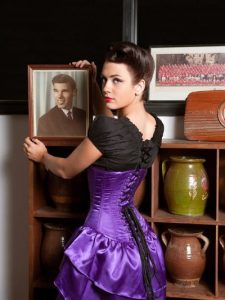
Corsets, on the other hand, can be worn either over or under your clothing and are specially designed to create an hourglass figure. A corset can compress the waist more dramatically, often by 3 to 6 inches while worn, depending on your body shape and how much you can comfortably lace it. As with a cincher, any reduction you see is a temporary, garment-induced effect rather than actual fat loss.
[Read more about Waist training]
Definitions of Waist Cincher and Corset
The word corset, which traces back to the 18th century, refers to a stiff garment that supports and shapes the torso, typically with back lacing and a front fastening. Today you might hear it called a “traditional steel-boned corset.” It is most often associated with women’s fashion, though it has occasionally been worn by men as well.
A waist cincher, sometimes loosely called a corset, is a shorter garment that looks more like a wide belt than a full underbust corset. It is built to slim the waist using plastic stiffeners and elastic materials.
Seven Major Differences Between Waist Cinchers and Corsets
 Source: http://www.thecorsetcenter.com/
If you are interested in waist training, it helps to know which garment is right for you. There are many differences between waist cinchers and corsets, but the seven below are the ones that matter most.
1. Construction
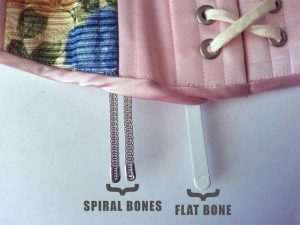
Steel-boned corsets are crafted from durable, flexible fabric. The steel boning makes them sturdy and helps pull in the waist while highlighting the curves of the hips and bustline.
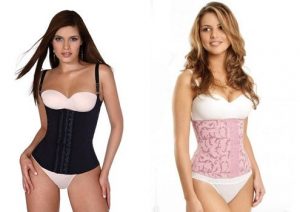
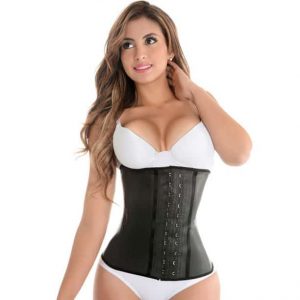
Waist cinchers are made from a mix of materials such as nylon, latex, and spandex. If you carry extra weight around your waistline, a cincher can smooth your silhouette under clothing.
2. How to Fasten and Tighten It
Corsets can reshape your figure quickly and are easy to tighten with lacing. A corset’s front busk consists of two steel stays and a metal loop, and you adjust the fit by tightening the laces at the back.
A waist cincher cannot be tightened as quickly because it has no laces. Instead, it uses rows of hooks and eyes, so you can only tighten or loosen it within a set range. If you gain or lose a noticeable amount of weight, you may need a different size of cincher.
3. Styles
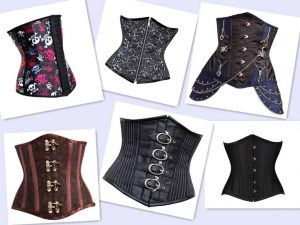
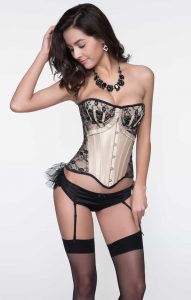
Corsets are designed for the midsection and can be worn over or under your clothing. They come in many shapes and shades, with style options ranging from subtle to more extreme curves, and different styles suit different body types.
Waist cinchers are also sold in a wide range of shades, patterns, and prints, with varying amounts of coverage. They range from simple waist trainers to thong bodysuits, and the number of straps differs from one style to another.
 Source: http://www.street21deluxe.com/
4. Effectiveness for Waist Training
If you are serious about waist training, many enthusiasts prefer a corset because it is durable and designed to draw in the waistline. Corsets are generally considered more effective shaping garments than waist cinchers, though cinchers can still play a useful role in a waist training routine.
Keep in mind that the shaping you see while wearing either garment is temporary. Any lasting change to your body comes from a healthy diet and regular exercise, not from the garment itself.
Some people wear shaping garments for long stretches, including overnight, in the hope of faster results. This is not suitable for everyone or every body type, and sleeping in a corset or cincher is generally not recommended. If you choose to wear one, listen to your body, do not over-tighten, and stop if you feel uncomfortable.
Used sensibly, the two products can complement each other. They offer support and shaping while you go about your day, and a cincher in particular can feel comfortable during light activity or rest. Corsets can be bulkier, so if you want something discreet under clothing, a waist cincher is often the better choice; certain corset styles can also create some back bulge.
5. Materials They Are Usually Made Of
Corsets are commonly made from satin, cotton, and leather. Long, flexible steel rods give the garment its shape, and small steel busks at the front are fastened into the cloth. Satin laces at the back let you tighten the corset to the level of waist reduction you find comfortable.
Waist cinchers are typically made from synthetic materials such as nylon, latex, plastic, and spandex, often with steel boning to help shape the body. They fasten with hooks and eyes at the front. The materials provide firm compression that can temporarily reduce the visible waistline by roughly 1 to 3 inches while the cincher is worn.
Pros and Cons: Corsets vs. Waist Cinchers
Each garment has its own strengths and drawbacks. The best choice depends on your body and what you need.
Pros
Corsets are popular because they can create a smooth hourglass shape and let you adjust the fit with lacing. The body can still breathe reasonably well in a properly fitted corset, and many people find corsets offer helpful back support. They also tend to be durable and long-lasting.
Waist cinchers have their own advantages. They are less bulky and comfortable to wear, easy to put on, and many people find them comfortable enough for light wear and gentle workout routines.
Cons
 Source: https://divinewaist.com
Every garment has downsides. Corsets can be inflexible and relatively expensive, and wearing one for too long can be uncomfortable. More importantly, wearing any shaping garment too tightly or for too long may lead to shortness of breath, lightheadedness or fainting, and pressure on internal organs, so it should be worn with care.
Waist cinchers can also make breathing feel restricted. They tend to be less durable, you cannot adjust them as precisely, and they can be hard to find in less common body sizes.
People with an average waist length may enjoy a cincher more because it allows greater freedom of movement.
People who are shorter or have a short torso are often advised to choose a steel-boned corset, since many full underbust corsets and cinchers on the market are too long and can ride up uncomfortably or dig in when sitting.
Who Can Wear Waist Cinchers and Corsets?
Women of all ages can wear waist cinchers and corsets, but it is not advisable to wear them constantly. The following groups in particular should avoid wearing these garments for long periods:
- Girls who are still growing
- Women who are gaining or losing weight rapidly
- Anyone with asthma or other breathing difficulties
If you have any underlying health condition, are pregnant, or are unsure whether waist training is right for you, talk to a qualified healthcare professional before starting.
Which Is More Cost-Effective, a Waist Cincher or a Corset?
Waist cinchers are generally the more affordable option, often priced around 50 to 80 dollars, while corsets typically cost more than 100 dollars.
Conclusion
Both corsets and waist cinchers have their pros and cons, and either can be a good choice depending on your goals. For a more dramatic silhouette or a vintage look, many wearers like to use these garments for several hours at a time, but you should build up gradually, never force a tight fit, and stop if anything feels wrong. Avoid sleeping in them whenever possible.
Remember that these garments shape the body only while worn. For lasting results, pair them with a balanced diet and regular exercise rather than relying on the garment alone.
Waist training is not suitable for everyone. People whose weight fluctuates quickly should be especially cautious, since heavy sweating under these garments can contribute to dehydration. Whichever you wear, keep drinking water, take breaks to loosen the garment, and breathe deeply so your body can relax. If you ever feel dizzy, short of breath, or in pain, take the garment off right away.