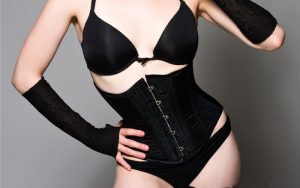
More and more people who have explored the potential benefits of waist training are looking at how to fit it into their routine. There is a lot to weigh up, from choosing a good waist trainer to understanding the pros and cons. One thing we have not covered in much detail before is the different styles of waist training, so today we will walk through the main methods, along with the advantages and drawbacks of each.
Keep in mind that any slimming effect you see while a corset or trainer is worn is largely temporary, caused by the garment compressing your midsection. For lasting changes to your body, waist training is best treated as one small part of a healthy lifestyle that includes a balanced diet and regular exercise.
The Roller-Coaster Method
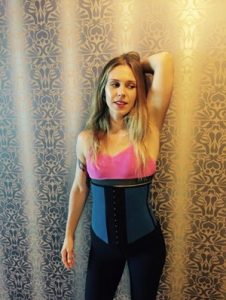
Image source: organicauthority.com
If you are familiar with waist training, you may have heard of Ann Grogan, who is credited with the roller-coaster method. She is the president of Romantasy Exquisite Corsetry and has put together customised waist training plans for many clients. With around 25 years in the industry, she has also mentored other trainers and helped them develop their own programs.
How it works
The roller-coaster method follows a structured, disciplined approach. The idea is to set a specific waist-measurement goal and a realistic time frame to work toward it. As an example, someone with a 28-inch waistline might choose a corset around 26 inches, which is about 2 inches smaller than their natural measurement.
You typically start with short sessions, around two hours a day, and build up gradually:
- Begin at roughly 2 hours per day.
- Progress to about 4 hours per day as you adjust.
- Work up toward a maximum of around 8 hours per day after weeks or months of conditioning.
Once your body adapts to the longer sessions, you may move to a slightly tighter corset and then return to the shorter daily cycle so your body can get used to the new fit. That repeating pattern of building up and starting over is what gives the method its roller-coaster name. Ann Grogan explains the process in detail on her professional website, where you can learn more about her techniques.
[Read more about Waist Measurement]
Who it suits
If you like keeping a daily to-do list or planning things out, this structured style may suit you well. Your progress is measured, and checking your waistline regularly can be motivating because you can notice small results over time. Results vary from person to person, so treat any measurement as a personal guide rather than a guaranteed outcome.
The Circle (Cycle) Method
The circle method was introduced by Fran Blanche, owner of Contour Corsets. This approach is more intuitive and less rigid. Instead of fixed daily targets, it takes your body’s day-to-day balance into account, leaving room for flexibility.
Your midsection naturally changes throughout the day. Your belly can shift from flat to bloated within about 15 minutes of eating a large meal or drinking several glasses of water. During your menstrual period you may feel less inclined to train, and your midsection may feel larger than usual.
The circle method asks you to pay attention to these signals and decide whether to train on a given day based on how your body feels and what it can comfortably handle:
- You are not locked into strict daily sessions, so there is less pressure than with the roller-coaster method.
- Your corset may feel tighter on some days and looser on others, and that variation is expected.
- Giving your body a rest day when it needs one is part of the approach, not a failure.
With this method, progress is judged by how you feel during training rather than by measurements alone. Because the pressure to perform is lower, many people find it easier to stay consistent and less tempted to cut corners. The benefits you experience depend largely on your own approach. Since you do not feel as restricted, the circle method often encourages wearing the corset for longer, comfortable stretches, gradually making it a familiar part of your day.
Choosing the Best Waist Training Method for You
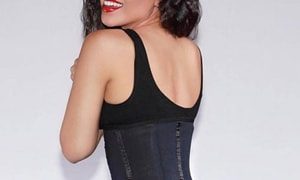
Image source: diewilikhebben.com
When deciding between the roller-coaster method and the circle method, choose the one that fits your personality and lifestyle. Forcing yourself to follow a method that does not suit you can make it hard to stay consistent, which often leads to frustration and giving up. Give each method a careful look so you can pick the one that genuinely works for you.
In our experience, people who want measurable, numbers-based progress tend to do well with the roller-coaster method, because it gives them clear evidence of how their training is going. Be aware that you may hit a plateau with this approach. If that happens, staying consistent and letting your body change at its own pace is more important than chasing fast results.
Before You Step into the Waist Training Field
Once you have your waist trainer and are ready to begin, start gently:
- Wear it for only 1 to 2 hours a day at first.
- Increase your wear time gradually as you grow comfortable, never adding too much too soon.
- Aim to wear a waist trainer for no more than about 8 hours a day.
- Wear it on no more than six days a week, giving your body a rest day.
If anything feels painful, makes it hard to breathe, or causes discomfort, stop and loosen or remove the garment. Listening to your body matters more than hitting any target.
The appeal of the circle method
Many people gravitate toward the circle method. They often have a more relaxed, Type B personality and want some freedom in their routine. Because you are not driven by time or a set achievement level, this method can give you a greater sense of control. You may notice changes in your body and in how you feel after a while, and many people report feeling happier because the approach respects their own needs rather than forcing progress.
That said, the circle method is not for everyone. Some people prefer the specific, defined results that a stricter method provides, so it is worth getting clear on your own expectations before you choose.
For those who enjoy it, the circle method tends to feel less stressful and more focused on overall well-being. With the counting of inches and days set aside, many waist training enthusiasts describe a sense of calm, stability, and security. They report feeling comfortable in their own bodies as they gradually move toward how they want to look and feel, and the idea of wearing corseted gowns and dresses becomes something to enjoy.
The Choice Is Yours

Image source: diewilikhebben.com
In the end, the decision is entirely up to you. When it comes to waist training, you are the one steering, and you can take it in whatever direction suits you. Will it be the circle method, the roller-coaster method, or a combination of both tailored to your own goals? There are many ways to approach this journey.
Because waist training affects your body, it is wise to consult a qualified health professional or your doctor before you start, especially if you have any existing health conditions. Having someone knowledgeable to talk you through it can make the whole process much clearer and safer.
Beyond these traditional methods, you can also explore other targeted options, such as the One-Week Waist Training Program. Best of luck on your waist training plan.