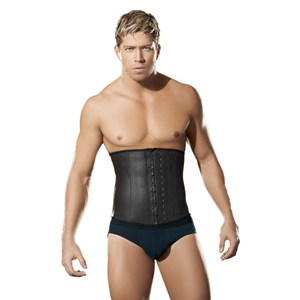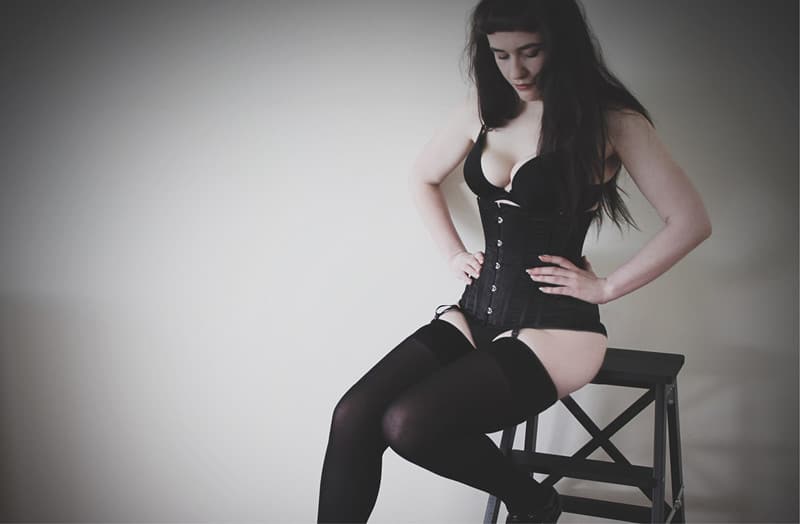
Most women know that wearing a waist trainer comes with both advantages and drawbacks, and beginners often have a lot of questions before they start. One common frustration is buying a trainer only to find it sits awkwardly under clothing or feels uncomfortable to wear. The good news is that with the right information and a sensible approach, you can avoid the most common mistakes.
If you genuinely want to train your waist, the most dedicated wearers aim to keep a corset on for much of the day, taking it off only to bathe or exercise. That level of commitment is a personal choice rather than a requirement, and beginners should build up wearing time gradually rather than diving straight into all-day use. It also helps to invest in a corset that is made well and fitted for you, instead of a cheap, mass-produced version.
What a Good Corset Can Do for Your Look
A well-made corset can be a real confidence booster. It can:
- Give your body a smoother, more shaped silhouette while worn.
- Support and improve your overall posture.
- Enhance your natural curves and lift the bustline.
Many wearers simply enjoy the snug, supported feeling a corset provides. Keep in mind, though, that the slimming effect you see while a corset is on is temporary and returns once you take it off.
The Downsides of Corsets

Everything has a positive and a negative side, and corsets are no exception. A corset that fits properly can still restrict your daily movement. Your torso becomes stiffer, and bending or twisting at the waist gets harder. Simple tasks can become awkward, such as:
- Putting on shoes, especially boots, because bending forward is difficult.
- Getting up from a low, deep sofa or chair.
- Driving and checking over your shoulder.
Wearing a corset can also affect comfort and breathing. Because it compresses the midsection and the area around the diaphragm, your breathing may become shallower and it can be harder to move quickly. For this reason, a corset is not something to wear at the gym.
It is also worth understanding what tight lacing actually does to your body. Like any change to your shape, it deserves careful thought before you commit. A corset works mainly by temporarily redistributing soft tissue rather than by burning fat, so it is not a weight-loss method in any real sense. Because tissue is being pushed and shaped, an ill-fitting or overly aggressive approach can create bulges just below the waist. A corset can offer some support to the back while worn, but relying on it constantly may mean your own core and back muscles work less, so balancing corset use with regular core exercise is wise.
Because everyone’s body and health history are different, it is a good idea to consult a qualified health professional before you begin waist training, particularly if you have any back, breathing, or abdominal concerns.
Factors to Consider When Buying a Corset
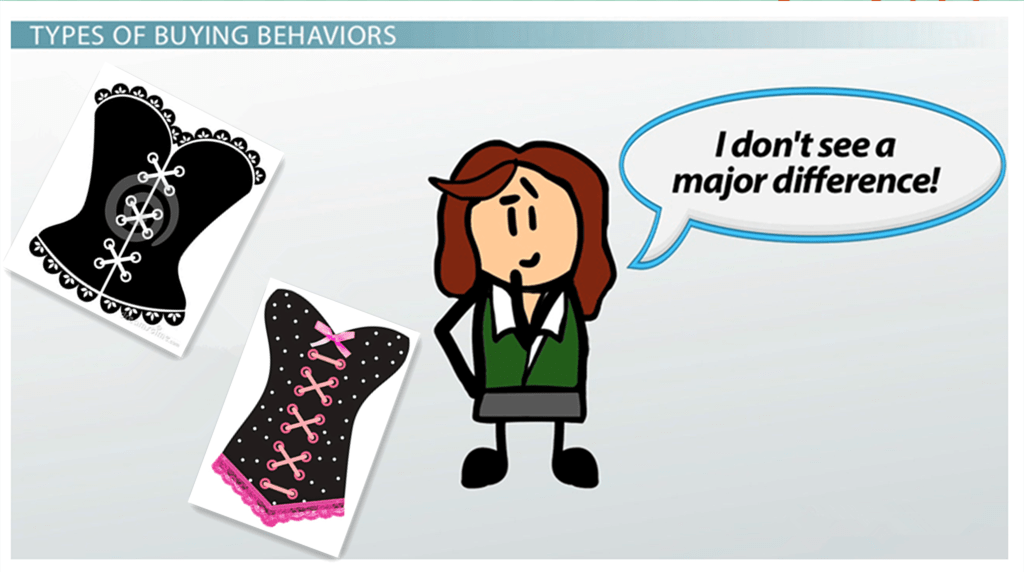
Price is an important factor to weigh up. You want genuine quality, and many corsets sold today are not true, well-constructed garments. A cheap off-the-rack corset bought at a steep discount usually will not give you the same results or comfort as a properly made one.
Here are the key points to keep in mind when shopping:
- Quality over bargains. A custom-made corset, fitted to your body and size, generally costs more, often a few hundred dollars or more, but it tends to fit and last far better.
- Consider owning two. Many regular wearers keep one corset for daytime and a lighter one for night, so each can be rested and laundered in turn.
- Plan for sizing changes. A first corset is often chosen a few inches smaller than your natural waist, since early changes in appearance tend to come more quickly. Over time, wearers may move to a corset a little smaller again. Having these custom made helps ensure a good fit at each stage.
If all of this feels like a lot to take in, remember that these are simply the facts worth knowing before you commit. For more detail, you can also read my earlier article on shopping tips for specific things to pay attention to when purchasing your own waist trainer.
After Buying: How to Break In Your Corset
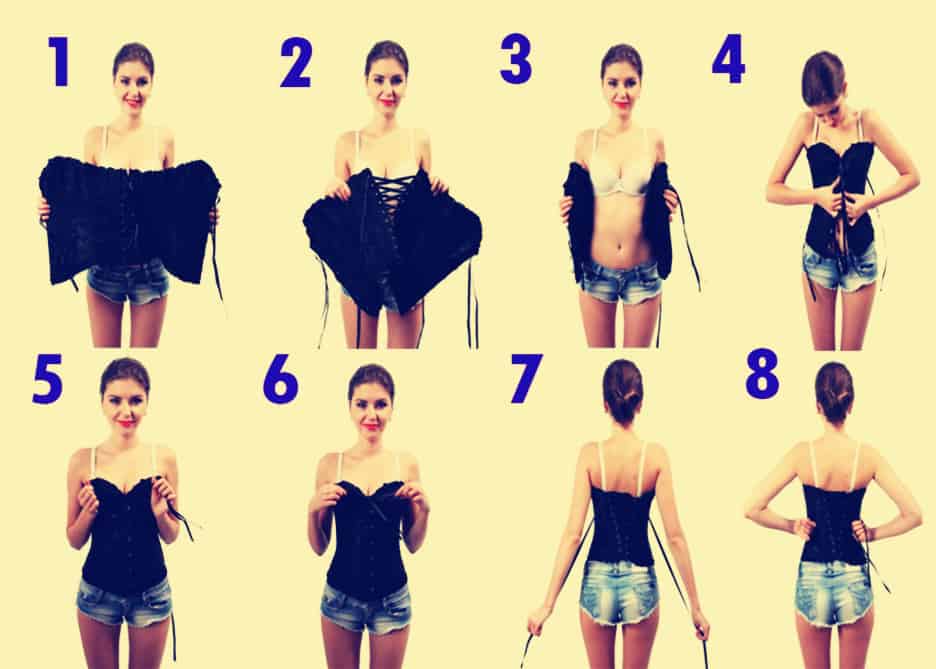
A new corset needs to be broken in gradually rather than cinched tight on the first wear. A gentle approach protects both the garment and your comfort:
- Tighten it only a little at first, so it feels firm but not tight.
- After wearing it for a few hours, tighten it slightly again.
- Repeat this over the next two or three days until you reach a comfortable fit.
This process lets the stitching and boning settle evenly around your body, giving you a more comfortable, lasting fit. A corset should feel comfortably snug with even pressure all over, like a firm hug rather than a pinch. If you notice a tight spot, the corset may be laced too tightly or be the wrong style, so loosen the laces.
Important Things to Keep in Mind

A few final reminders will help you stay safe and get the most from your corset:
- Don’t share your corset. A corset gradually moulds to your shape, and letting someone else wear it can alter that fit for both of you.
- Wear it consistently once it fits well. Regular wear helps your body get used to the corset before you consider longer sessions.
- Be patient. Never force the laces tighter than they are meant to go. Over-tightening can damage the corset and, more importantly, may harm your body.
Proceed gradually, listen to what your body is telling you, and stop if anything feels painful. With patience and a sensible approach, you can enjoy waist training while keeping yourself comfortable and safe.