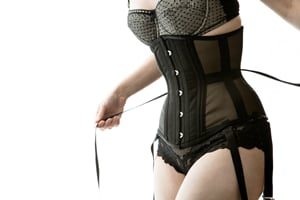
Many girls and women share the same goal: to have a tiny waist and a svelte figure. Countless women try different fad diets, exercise routines, dance workouts and fitness gadgets to reach that long-held dream. So when it comes to waist training, the real question is: is it enough on its own?
Corsets and waist trainers have been worn since at least the 18th century, and they can create a temporary, superficial change in the shape of your body. Worn consistently for several hours a day, a waist trainer may make your waistline look smaller while you have it on. Many women who have never tried it are curious about whether it actually works, and are understandably worried about possible side effects. These are valid concerns that deserve honest answers.
Health experts point out that the benefits of waist training tend to be short-term, and they come with real drawbacks. It is worth understanding both sides so you can make an informed decision about whether to use a waist trainer. You will almost certainly find it uncomfortable during your first few uses, but it is important to ask how long that discomfort lasts and whether it signals a problem.
Important: Waist training is not a medical treatment and results vary from person to person. Before you start, please consult a qualified health professional, especially if you have any existing health conditions, are pregnant, or are recovering from childbirth.
Types of Waist Trainers
There are several types of waist trainers, each with its own style and structure. Here are the most common.
1. Corset
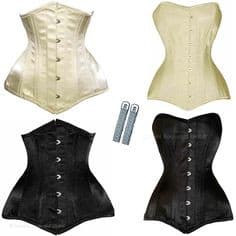
A traditional corset uses steel boning and laces up the back. It can change your body’s proportions firmly and dramatically while worn.
2. Waist Cincher
A waist cincher looks like a corset but fastens with hook-and-eye closures instead of laces. It usually has only a few steel columns, or none at all. Cinchers come in two main material types:
- Latex waist cinchers
- Fabric waist cinchers
3. Waist Trimmer
Waist trimmers are made from flexible materials such as neoprene. They are designed to raise the temperature around your midsection, which encourages sweating. Any reduction in size from a trimmer comes mainly from temporary water loss and is not the same as losing body fat.
Does a Waist Trainer Actually Work?
A number of studies suggest that waist training has only short-term effects and is not a path to lasting body change on its own. Most women want to be fit, healthy and confident for the long term, even into older age. If the slimming effect disappears as soon as the trainer comes off, it can be disappointing.
There is some encouraging news, though. As with any exercise routine or diet, results only stick when the habit is sustained. With waist training, that can mean wearing it over an extended period, such as six months to more than a year, so your body has time to adjust. Even then, any change should be supported by a healthy diet and regular exercise rather than relying on the garment alone.
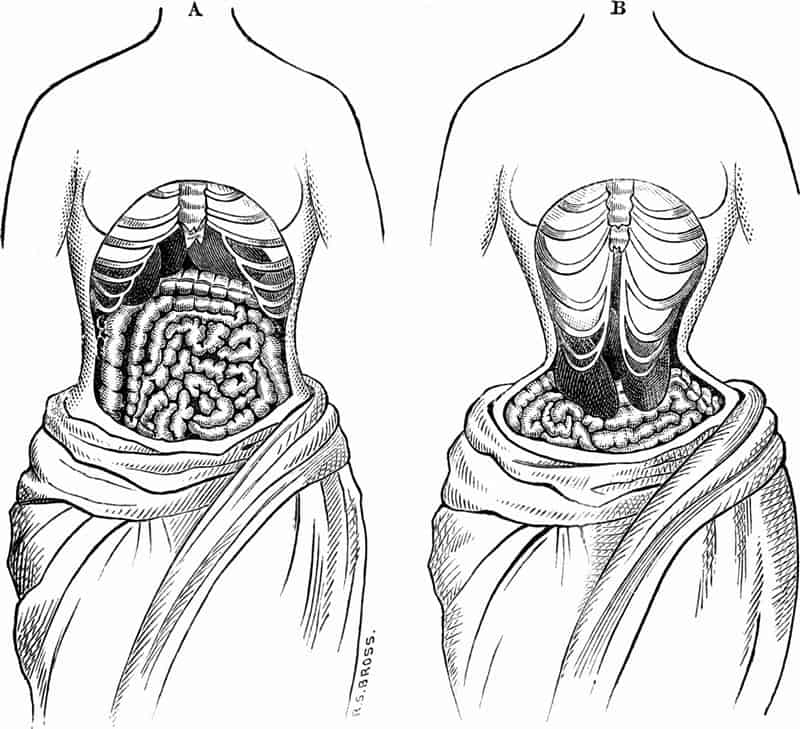
Doctors around the world caution that overly aggressive waist training can affect the outside of your body and put pressure on your internal organs. This pressure can be visible on an x-ray. Because of this, it is strongly advised that women consult a doctor or fitness expert before they begin. No two bodies are the same, so the way one woman responds may be very different from another. This is exactly why you should not base your decision on every personal testimonial you hear about weight-loss programs.
It needs to be clear that waist training has both advantages and disadvantages. Keep an open mind about the downsides, because it is your body and your health on the line. Pushing waist training to extremes can affect your health, and it can become a habit that is hard to break once visible results appear.
Used carefully and in moderation, a waist trainer may help some women feel more supported and motivated, and it can have positive psychological effects. Seeing progress encourages some women to keep going. Many new mothers, for example, hope that waist training can help them feel more like themselves again after pregnancy, easing some of the temporary insecurity they may feel about their changing bodies. That sense of confidence can be valuable, as long as expectations stay realistic and health comes first.
The Disadvantages You Should Know About
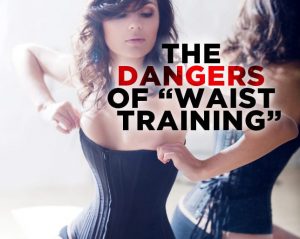
When all is said and done, there is no denying that wearing a corset can change how your body looks, and in some cases it can be risky for your health. If a corset is too tight, you may struggle to breathe properly or to move your abdomen freely, and your lungs can be affected. A waist trainer should be comfortable enough that you can breathe normally and move with ease. Remember that you may be wearing it for hours, so any restriction can take a toll. Below are the main disadvantages to watch for.
1. You May Not Feel Well
When your waist is cinched tightly, it can simply feel uncomfortable, and that discomfort can lead to bigger problems. Take extra care if you notice any of the following:
- Shallow breathing
- Limited range of motion
- A constant downward pressure
- Bruising or skin irritation
2. You May Experience Shortness of Breath
When a waist trainer is too tight, it can restrict the diaphragm and limit how deeply you can breathe, leaving you with only shallow breaths. In some cases, reduced oxygen can cause dizziness or even fainting. To avoid this, never wear your corset too tight during training.
3. Your Muscles May Weaken or Atrophy
Wearing a waist trainer for long stretches may contribute to muscle weakness and even atrophy over time. It is best to use it moderately and sensibly, since overuse could lead to further complications.
4. Your Core Strength May Decline
Reduced core strength can also occur when a waist trainer is worn too tightly for too long. The abdominal muscles can start to rely on the garment to hold everything in place, leaving them with little to do.
Over time, these muscle groups can become inactive, and that loss of core strength may increase the risk of:
- Poor posture
- Pelvic floor problems
- Back pain
5. You May Suffer From Acid Reflux
A waist trainer can press on your midsection, which affects a complex network of organs including the intestines, esophagus and stomach. That pressure may contribute to acid reflux in some people. To prevent or relieve symptoms, take the corset off or loosen it while you eat.
The Bottom Line
The downsides of wearing corsets are serious enough that they should be discussed with a doctor or a qualified fitness expert before you commit to wearing one daily for any length of time. Please be careful, listen to your body, and stop if something feels wrong. Waist training may carry some benefits and some real risks, so weigh both honestly. With realistic expectations and professional guidance, you can stay open to healthy possibilities for a stronger body and a happier you.