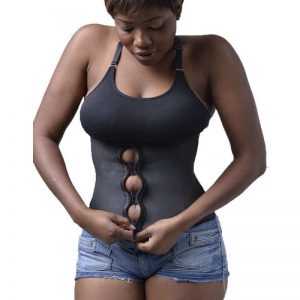
Waist training corsets first became popular in the early 1900s, appearing in Europe before catching on in America. Women originally wore them on the outside of their clothing as a style statement, and over time they also became a popular undergarment for creating a smoother, slimmer-looking figure.
People wear waist training corsets for many reasons: as a fashion piece, as shaping underwear, or for gentle back support at a special event. A corset compresses the midsection and can give a more defined shape while it is worn. It is worth remembering, though, that any slimming effect a corset creates is temporary and lasts only while you have it on.
Below we look at the physical and mental benefits people associate with corset wearing, along with six real risks to keep in mind. This article is for general information only and is not medical advice. Please talk to a qualified health professional before using a corset for any health-related purpose.
Benefits of Wearing a Corset
Many women are drawn to corsets, and wearers often describe both physical and mental benefits. The most visible result is a temporarily slimmer-looking waistline. Keep in mind that experiences vary from person to person, and the points below reflect what some wearers report rather than guaranteed medical outcomes.
Physical Benefits
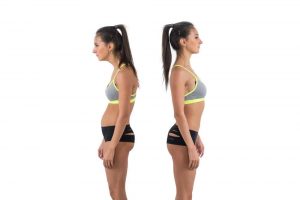
A corset may offer some physical benefits, such as encouraging better posture. Here are the benefits people most commonly mention.
1. Encourage Better Body Posture
Because a corset holds the torso firmly, it encourages you to sit and stand more upright, so many wearers feel it helps support good posture. Purpose-built medical back braces are sometimes used for conditions such as scoliosis or recovery from a back injury, but a fashion corset is not a medical device. If you have scoliosis, a vertebral fracture, a slipped disc, osteoarthritis, degenerative disc disease, or pain from an accident, talk to your doctor before using any corset, as the wrong kind of support can do more harm than good.
[Read more about Body Posture]
2. May Ease Tension-Related Headaches
By encouraging a more upright posture, some wearers feel a corset eases the muscle tension that can contribute to headaches. There is little solid evidence that corsets treat headaches or migraines, so see a healthcare professional if you get frequent or severe headaches.
3. May Make Menstrual Cramps Feel More Manageable
Some women say the gentle abdominal pressure of a corset makes period cramps feel more bearable, much like a warm compress. This is a personal, temporary comfort effect rather than a proven treatment, and a corset should never feel painful or restrictive. If your cramps are severe, speak with your doctor.
4. Abdominal Support and Hernias
Some people use abdominal support garments around the midsection on a doctor’s advice. A corset, however, is not a proven way to prevent hernias, and worn incorrectly the added pressure could make an existing hernia worse. Always consult your doctor first, since every body is different and they can advise what is safe for you.
5. May Relieve Back Pain
A corset contracts the torso and can give the back some temporary support, which some people find helps ease everyday back pain or makes tasks like lifting more comfortable. For ongoing back pain, ask a health professional about proper support rather than relying on a corset.
6. Support for a Larger or Heavier Bust
Wearing a corset can also provide added support for women with a larger or heavier bust.
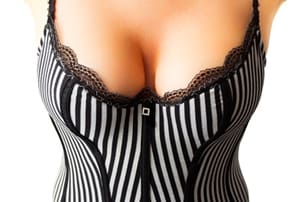
Source: beautifulonraw.com
7. May Support Weight-Loss Efforts
A corset limits how much your stomach can expand, so some wearers find it helps them eat smaller portions and stay mindful of their diet. On its own, a corset does not burn fat or cause real weight loss, and any change comes from eating less. Think of it as a possible reminder rather than a weight-loss tool. For lasting results, pair healthy eating with regular exercise while wearing a corset every day.
8. Support After Abdominal Surgery
Compression garments are sometimes used after surgery to support the abdominal wall while it heals. This should only be done with your surgeon’s approval and using the garment they recommend. Never assume a fashion corset is a substitute for medical guidance.
9. Breathing and Asthma
You may read claims that the improved posture from a corset can open the chest and make breathing easier. In reality, corsets compress the torso and can restrict breathing, so they are generally not advisable if you have asthma or any other breathing condition. Talk to your doctor before wearing one.
Mental Benefits
Corsets aren’t only about physical effects. Some wearers also describe mental and emotional ones, such as feeling motivated when they see a smoother shape in the mirror, or finding the snug, contained feeling reassuring. These effects are personal and vary widely, and a corset is not a substitute for mental health care.
1. May Give a Short-Term Confidence Boost
For some people, looking in the mirror and liking what they see provides a short-term confidence lift. If you struggle with body image, a corset may help you feel good in the moment, but genuine, lasting self-esteem comes from within rather than from any garment.

2. A Note on Eating Disorders
Eating disorders are serious mental health conditions that need proper medical and psychological care. A corset is not a treatment for them, and using one to suppress appetite can be harmful. If you or someone you know is struggling with disordered eating, please reach out to a qualified health professional.
3. Anxiety, Depression, and Panic Attacks
The gentle, all-over pressure of a corset has been compared to deep pressure therapy, a calming “warm hug” sensation that some people find soothing. While this snug feeling may help certain wearers feel a little calmer, a corset is not a treatment for anxiety, depression, or panic attacks. If you experience any of these, please speak with a mental health professional.
4. May Help You Feel More Grounded
Some wearers say the contained feeling of a corset helps them feel more grounded and a little less affected by everyday stress. Feelings like these are very individual. If you ever feel an urge toward self-harm, do not rely on a garment. Reach out to a doctor, a mental health professional, or a crisis helpline right away.
5. May Help You Feel More Present
People who want to feel more present sometimes say the steady pressure of a corset helps them stay focused and a bit calmer. As with the other points here, this is a personal experience rather than a guaranteed effect.
Other Benefits
1. A Temporary Hourglass Figure
A steel-boned corset can noticeably reduce your waistline and create an hourglass shape while you wear it. Remember that this shaping effect is temporary and fades once the corset comes off.
2. It Is Fashionable to Wear

Source: beautyshallsavetheworld.com
Corsets have become a real fashion trend. You can pair one with jeans, dresses, skirts, shorts, and shirts for almost any occasion. Worn over or under your clothes, a corset adds a chic, flattering look that fits easily into many outfits.
Are There Any Risks?
Like anything, corsets have pros and cons. Alongside the possible benefits, regular or tight wear carries real risks. Over time a corset can reduce abdominal muscle tone, weaken the core, and, with extreme tight-lacing, put pressure on internal organs and reduce breathing capacity. For these reasons it is not a good idea to wear a corset all the time. The main risks are explained below.
1. Skin Irritation
Skin irritation is one of the most common complaints among corset wearers. Wearing anything snug for a long stretch creates rubbing that can cause discomfort and rashes. Don’t ignore this for the sake of your shape. Your waistline may bounce back, but damaged skin is harder to undo.
[Read more about Hourglass Figure]
2. Acid Reflux
Anyone who has had acid reflux knows how uncomfortable it is. Because a corset compresses the abdomen and presses on the stomach, it can raise the chances of indigestion, heartburn, and recurring reflux. Ongoing reflux is worth taking seriously, as over time it can irritate and damage the lining of the throat.
3. Difficulty Breathing
Pressure on the stomach and torso can make it harder to breathe. Some people lace a corset very tightly to look slimmer without thinking about their breathing. A corset doesn’t only compress the midsection; it can push the internal organs to fit its shape, and restricting the diaphragm reduces the amount of oxygen you take in. This can leave you short of breath, light-headed, or even faint, so never lace to the point of discomfort.
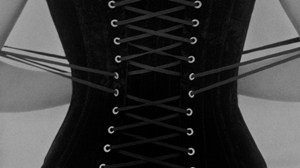
4. Bruising
Source: theestablishment.co
Modern corsets vary in how rigid they are, and a stiff corset that presses hard against the body can leave bruises, which are painful and slow to heal. This is a particular concern for children and teenagers, whose bones are still growing. Wearing a corset during these years can affect normal bone development.
5. Numbness
A very tight corset can affect blood flow and compress the nerves, which may lead to cramps, a “pins and needles” feeling, or numbness in your legs.
6. Emotional Toll
A corset can make you look great while it’s on, but taking it off and seeing your natural shape can feel disheartening for some people. Relying on a corset for confidence may reinforce negative thoughts about your body and could even discourage you from exercising or eating well. If your shape is affecting how you feel about yourself, focus on healthy habits that help you feel good without the corset.
Conclusion
If, after weighing the benefits and risks, you decide to try waist training, start by listening to your body and putting comfort and safety first. Build a fitness plan that suits you and increase your wearing time gradually rather than rushing it; some wearers slowly work up toward around 8 to 10 hours a day, but only ever as long as it stays comfortable, and stop if anything hurts. Pair your routine with a healthy diet plan and regular exercise, since these are what drive real, lasting results, not the corset alone. And if you have any existing health conditions, check with a qualified health professional before you begin.