Waist training is the practice of gradually reducing your waist size with a waist-cinching corset. The technique rose to prominence during the Victorian era and has made a strong comeback in recent years. Combining regular exercise, a healthy diet and a waist-cinching corset may help support a slimmer waistline over time, while the corset itself gives you a more defined, hourglass shape for as long as it is worn. Keep in mind that any slimming you see while the corset is on is temporary, and lasting changes come mainly from your diet and exercise habits.
Below I explain how to waist train step by step so you can work toward slimming your waist. Because waist training affects your body, it is a good idea to consult a qualified health professional before you begin, especially if you have any existing medical conditions.
First Stage: Getting Started
 Source: https://www.rebelsmarket.com/blog/posts/everything-you-need-to-know-about-waist-training
When you start waist training, your body needs time to adjust to the gentle-to-firm compression around your midsection. Give your waist trainer time to break in rather than forcing it. The key in the early days is patience:
- Do not over-train during the first one to three days of wearing your corset.
- During the first week, wear your corset only two to four days, and never more than five days in any week.
- Gradually increase how long you wear the trainer each session until it feels comfortable.
- Always remove your waist trainer while showering, swimming, or using steam baths or saunas.
Remember that every choice has a downside: improper use of a waist trainer can put your health at risk, so build up your routine slowly.
[Read more about Waist Trainers]
Second Stage: Building Up Your Routine
Once you are comfortable, start adding two or three hours to your daily routine until you can wear your trainer throughout the day. Aim for at least seven hours a day. Begin by fastening the first set of clasps, and once that feels easy, move to the second set to adjust the trainer a little tighter.
As your waist gradually reduces, your current corset will start to feel looser and more comfortable. To keep progressing, you can move to the next size down. Bear in mind that everyone’s body shape is different, so timelines vary from person to person. After roughly four to six weeks, many people are able to wear their trainer for eight to ten hours a day.
Third Stage: Steady, Patient Progress
Trimming the first two to four inches is usually the easier part, and it often takes around one to two months. After that, progress slows considerably: it can take three to six months to reduce each additional half inch. For this reason, it is important to proceed with patience and caution, and to listen to your body throughout.
How Fast Can the Results Be Seen?
 Source: https://sheroes.com/articles/too-bad-you-don-t-have-an-hourglass-figure/NDk4Ng==
There is no fixed answer here, because no one can predict an exact timeline, and results differ from person to person. As with any program, the more consistent you are, the sooner you are likely to notice changes.
In the beginning, it is wise not to aim for a reduction of more than six inches. Give yourself time to get used to your trainer. Over time you can decide whether you want a narrower waist or not. After wearing the trainer consistently for a while, some people are able to reduce their waist by as much as four inches; the final half inch or quarter inch can often be trimmed more easily by wearing the corset for only about three hours.
Keep in mind that many factors affect your waist training results, including the ones below.
[Read more about Waist Training Results]
1. Genetics
Some women naturally have a faster metabolism and tend to burn fat more readily, while others hold more water around the belly. Genetics plays a significant role in your results. Waist training is a process, and there is no way to say exactly how long it will take, because every body is different. With consistency, you can work toward your ideal hourglass figure over time.
2. The Quality of Your Waist Trainer
A durable, well-made trainer matters for good results. Choose a sturdy trainer that compresses your midsection properly, and make sure you get the right size for your body type.
3. Your Fat Distribution
In general, body fat is either visceral or subcutaneous. Visceral fat sits beneath the abdominal muscles, in between the organs, while subcutaneous fat sits just above the muscles, right under the skin. If you carry more subcutaneous fat, you may notice results sooner.
4. Age
 Source: https://www.thecorsetcenter.com/waist-trainer-under-clothes/
Young women have more pliable bones because they are still growing, so it is worth thinking carefully about whether to start waist training at all. Older women tend to have bones that are less dense. For mature women, osteoporosis is the most important health concern, because waist training may worsen its symptoms. For this reason, you should consult your doctor before starting.
Can You Speed Up Your Waist Training Process?
To some extent, yes, although it is generally best not to rush. You can wear your trainer a little tighter for a short while before a special occasion such as a party. For long-term, sustainable slimming, however, your trainer should always be comfortable enough to wear without strain. The goal is not to compress as tightly as possible, but to wear it sensibly.
If you want a smaller waist for a specific event, put your corset on two or three hours beforehand and tighten it a little every half hour until you reach a size that is both comfortable and what you want. If you plan to wear it under a wedding dress, order it well in advance, at least two weeks before the wedding date.
It is important to remember that body shape is partly determined by genetics. If you are not genetically prone to an hourglass shape, corset training alone will not create one, no matter how much you do. The best approach is to combine corset training with regular exercise and good nutrition for at least about an hour a day. Used consistently, alongside drinking enough water, cutting back on junk food and sugar, following a healthy eating schedule and working out around five days a week, waist training may help you make steady progress. Getting plenty of sleep helps too.
While wearing a corset, it is wise to keep food and drinks light and to limit carbohydrates, fats and sugars. Go easy on carbonated drinks and champagne. Choose cooked vegetables, canned fruit, salads and fruit juices instead. Avoid overeating or eating too quickly before or after wearing your corset, since you may experience discomfort such as stomach cramps when you remove it. Combined with regular exercise and a healthy diet, this can help you work toward your weight goals. A waist trainer can support your efforts at reducing your waist size: there are many trainers designed specifically for this, and you may wear one over several months, switching to a cincher when you want help managing those last few inches.
Keeping Yourself Safe While Waist Training
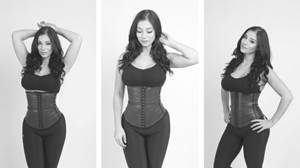 Source: https://www.luxxhealth.com/latex-waist-trainer-review/
Before wearing a corset, learn how to use it carefully, because lacing a waist trainer too tightly can lead to health problems. The safest approach is to go slowly. A few simple rules help:
- Tighten your trainer by no more than about two inches at a time as you wear it.
- It should feel snug but never so tight that it becomes uncomfortable.
- If you experience any problems, such as difficulty breathing, loosen the corset or take it off immediately.
Give a new waist trainer time to break in properly. The first few times you wear it, do not tighten it too much, as this can be harmful. Because everyone’s body is different, you may not be able to close the trainer completely at first. Maintain a reasonable pace. Once you can comfortably close your corset all the way, you can move on to the next size down if you want to continue your routine.
[Read more about Waist Training]
There is no set timeline for seeing results, since every woman has a different body shape. Depending on your body and the effort you put in, you may reduce your waist size within roughly one to two months. Some people also wear an older corset while sleeping. Above all, be patient, and never cinch your trainer to the point of discomfort. Over-tightening only makes you want to give up. The results you see depend on how much you wear your trainer and how consistently you stick with your workouts and diet. With steady effort, you may notice changes within a few weeks.
Last but Not Least
Start with a waist trainer size that feels comfortable to wear. Begin slowly and reduce your corset size gradually over time. The more you wear your trainer, the sooner it will start to feel natural. Aim to build up to a comfortable routine of around eight hours of waist training a day, and let your progress come at its own pace.