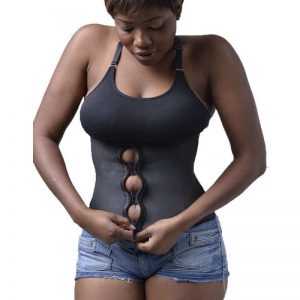
Looking and feeling good matters. When you feel confident in your own skin, it is easier to enjoy everything life has to offer. Many women like to start a workout routine before summer so they can feel their best when bikini season arrives. If that is your plan, a good-quality waist trainer can be a helpful accessory alongside healthy habits.
It is worth keeping in mind that any slimming effect from a waist trainer is temporary and lasts only while it is worn. Real, lasting fat loss comes from a balanced diet and regular exercise, not from the garment itself. A waist trainer is best thought of as a supportive tool, not a shortcut.
If you only wear yours seasonally, you will want to store it properly so it is ready the next time you need it. And if you wear it regularly, keeping it clean is essential for hygiene and comfort.
With rigorous workouts and frequent use, waist trainers can lose their shape over time. That is frustrating when you have invested time and money finding a piece that fits you well and feels comfortable. The good news is that caring for a waist trainer is simpler than caring for most garments. You do not need expensive chemicals; a little baby shampoo and proper drying go a long way. The key is to do it consistently, because daily use calls for regular cleaning for both hygiene and convenience.
[Read more about Waist Trainers]
How to Clean a Waist Trainer
Now that you understand why proper care matters, follow these simple steps to keep your waist trainer clean and help it last as long as possible.
1. Never put your waist trainer in a washing machine
 Source: https://en.wikipedia.org
Your waist trainer is not made from ordinary fabric. It is typically made from neoprene, which is designed not to absorb sweat. Neoprene also traps heat around your midsection, which is why you may sweat more in that area while wearing it. Because of this special material, you should never wash a waist trainer like regular clothing. A washing machine can damage the fabric so it no longer works as intended.
2. Hand wash it with a mild or baby shampoo
Your waist trainer needs gentle, regular washing. Instead of the machine, hand wash it with any mild shampoo or a baby shampoo. You can also use a detergent specially formulated for lingerie. This keeps the fabric clean, removes odor, and helps it stay wearable for a long time.
3. Let it air dry for a few hours
Lay your trainer out in the open and let it dry naturally. It may take a few hours, but air drying after a hand wash protects its long-term durability.
4. Do not scrub it with a sponge
 Source: http://www.huffingtonpost.com/
Avoid scrubbing your waist trainer with a sponge during washing or drying. Scrubbing can cause discoloration and damage both the fabric and its structure. Many trainers also contain latex, which scrubbing can harm. This same latex is used in other quality shapewear and activewear, so the same gentle care applies to those garments too.
Cleaning frequently is important. While the fabric itself does not absorb sweat, the neoprene causes your abdomen to perspire more, so the garment still gets damp. A trainer that is not cleaned regularly will not perform well and becomes uncomfortable, itchy, and smelly to wear. Regular cleaning keeps it both hygienic and pleasant to use.
How to Wash a Waist Trainer Quickly and Effectively
To clean it quickly, soak the cincher a couple of times in warm, soapy water before rinsing it in cold water. Then place it on a rack to dry. Lay the trainer horizontally on the rack so it can dry evenly on its own.
How to Maintain Your Waist Trainer
Good maintenance starts with how you use the garment in the first place. Wearing it correctly helps it stay durable and effective for longer. A common approach is to begin by wearing it 2 to 4 hours a day, then gradually add an hour at a time until you are comfortable wearing it for up to about 6 hours. In the beginning, fasten your training corset on its first (loosest) hook.
Listen to your body as you go. A waist trainer should never feel painful or make it hard to breathe, and you should not wear one for longer than is comfortable. If you have any concerns, it is a good idea to consult a qualified health professional before starting a waist-training routine.
[Read more about Training Corsets]
1. Lay it flat in a drawer or closet
 Source: https://www.thecut.com
Never fold or bend your waist trainer when storing it. Always lay it flat in a closet or drawer so the fabric keeps its shape.
2. Keep it out of direct sunlight
If you prefer to hang it, choose a spot where direct sunlight cannot reach it. Direct sun can damage the latex, so always store it in the shade.
3. Store it with mothballs
When putting your trainer away for an extended period, add a few mothballs nearby. They help protect the garment from pests.
A Few Extra Notes
In addition to the tips above, here are a few more ways to keep your waist trainer free from rot and mold.
1. Get more than one
 Source: https://www.hotwish.com/
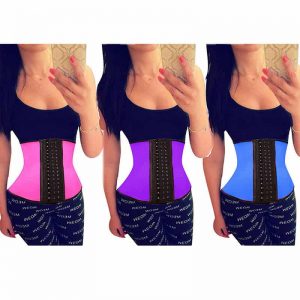
Once you find a waist trainer that fits you well, consider buying two or more. That way, if one gets damaged or is in the wash, you always have a backup ready to go.
2. Wash regularly
Be as consistent with cleaning as you are with your workouts. Continuous wear produces a lot of sweat, and sweat encourages germs and odor, so a clean trainer is a more comfortable and hygienic one.
3. What is latex?
Latex is a milky substance found in many plants and trees, such as rubber trees, spurges, and poppies. It is released when the plant is cut, and its surface coagulates when exposed to air. Latex from rubber trees is a primary source of natural rubber. Manufacturers use it in waist trainers to provide the firm, stretchy support that helps shape your midsection while you wear the garment.
Conclusion
Waist trainers are used by many women around the world to help shape their midsection and feel more confident in their clothes. Worn consistently, they can provide a smoother silhouette while on, but it is important to remember that this effect is temporary. Genuine, lasting results come from a healthy diet and regular exercise; the trainer is a supportive accessory, not a replacement for them.
Frequent use during workouts can wear a trainer down and loosen its stretch over time, so treat it like any other piece of gym gear and keep it clean and well maintained. To get the most out of yours:
- Hand wash it with a mild shampoo or a specially formulated lingerie detergent, and never use a washing machine.
- Let it air dry in the open, laid out horizontally, for best results.
- When storing it, do not bend it; keep it flat and consider placing it in a netted lingerie bag so it does not catch on other clothes.
- Use mothballs to keep pests away during long-term storage.
Follow these simple steps and your waist trainer will stay in good condition for a long time. And if you have any health concerns about waist training, check with a qualified health professional first.